Author name: admin

image
Water Damage Restoration

The Different Categories and Classes of Water Damage Explained

The Different Categories and Classes of Water Damage Explained When a leak, burst pipe, or storm intrudes on your home or business, it’s tempting to judge the mess by how bad it looks. Water damage restoration pros don’t. They classify water damage by its category (how contaminated the water is) and its class (how far moisture has spread and how hard it will be to dry). Understanding both helps you make safer choices, protect your health, and speed a successful claim and restoration. This guide translates the technical language into plain English so you can respond with confidence. Why Water Damage is Classified in the First Place Classifying water damage creates a shared language for health risk, scope, and cost. The category tells you what might be in the water and how aggressively to sanitize. Class reveals how deeply the water has penetrated materials and how much equipment, time, and energy the drying will require. Together, they inform decisions about what can be saved, what must be removed, and which safety measures are non-negotiable. Insurers, contractors, and industrial hygienists all rely on this framework to keep projects consistent and defensible. Category 1 Water Damage — What “Clean” Really Means Category 1 water damage involves water that starts sanitary, such as from a supply line or a recently overflowing sink. Left unchecked, even clean water soaks into drywall, flooring, and framing, and can transition to higher-risk categories as time and temperature rise. Rapid extraction and controlled drying reduce structural swelling, paint damage, and the chance of microbial growth, which preserves more of your finishes and shortens downtime. Common Sources You’ll See Supply line leaks, appliance malfunctions, and isolated valve failures are frequent triggers. Rain that enters without passing through soils or contaminants can also begin as this category. Risks if You Delay Clean water becomes a hygiene problem as it stagnates and comes into contact with dust, adhesives, and contents. Waiting turns an uncomplicated cleanup into a more invasive remediation. Category 2 Water Damage and its Health Implications Category 2 water damage contains significant contamination that could cause discomfort or illness on contact. It often includes detergents, food residues, or chemicals from dishwashers, aquariums, or washing machines. Response adds targeted antimicrobial steps, controlled demolition of unsalvageable porous items, and stricter containment to prevent cross-contamination in clean rooms. Personal protective equipment improves safety during handling and disposal. Where it Often Comes from Overflows from washing machines, dishwasher backups, and sump failures frequently introduce soils and nutrients that promote microbial growth. Some roof leaks can pick up contaminants from dust and insulation. Cleanup Considerations Porous materials like carpet cushion and some fiberboard are usually removed, then the remaining structure is cleaned and dried. Air filtration and negative pressure help keep adjacent spaces clean. Category 3 Water Damage Requires Strict Containment Category 3 water damage involves grossly contaminated water that may carry pathogens or hazardous chemicals. Examples include sewage, flooding from rivers or streams, and water that has passed through animal areas. Work practices emphasize containment, disinfection, removal of affected porous materials, and air management to protect occupants and workers. Clearance may involve post-remediation verification by a third party to confirm hygiene targets. Typical Triggers to Expect Sewer backups, storm surges, and outdoor flooding can push contaminated water indoors.  Long-standing leaks can also degrade to this category as microbial colonies expand. Safety and PPE Protocols Gloves, respirators, and splash protection reduce exposure during demolition and cleanup. Controlled waste handling and disposal prevent reintroducing contaminants into the building. Classes of Water Damage Explain how Far Moisture Has Spread While categories describe contamination, classes quantify the evaporation challenge. The more materials that are wet—and the less permeable they are—the harder it is to remove bound moisture. Class is influenced by how long water was present, how much area is affected, and which surfaces are saturated. Correctly identifying class ensures the right combination of air movers, dehumidifiers, heat, and ventilation, which saves energy and minimizes unnecessary demolition. Class 1 Water Damage — Minimal Absorption and Faster Drying Class 1 water damage affects a small area with limited moisture absorption. Non-porous surfaces or low-permeance finishes kept bulk water on the surface long enough to extract quickly. With fast action, many finishes can be saved, and the space can return to service with limited interruption. What It Looks Like on Site Small puddles on tile or sealed concrete and a confined wet corner are common. Walls may show little or no wicking above baseboards. Typical Drying Approach Prompt extraction, targeted air movement, and modest dehumidification often restore normal moisture levels quickly. Monitoring confirms that hidden cavities remain dry. Class 2 Water Damage — Porous Materials and Higher Evaporation Class 2 water damage involves a larger footprint and significant moisture in porous materials like carpet, pad, and gypsum board. You’ll see wicking up walls and broader areas of damp subfloor. The evaporation load is higher, so equipment counts and runtime increase to keep conditions in the safe, efficient drying window. Visible Clues You Can Spot Baseboards may swell or detach, carpets may feel soggy, and moisture meters may show elevated readings several feet from the source. Light staining can appear around fasteners. Equipment You’ll Need More Of Expect additional air movers, a higher-capacity dehumidifier, and more frequent checks. Strategic containment can shrink the drying chamber and shorten the schedule. Class 3 Water Damage — Overhead Intrusions and Wicking Class 3 water damage means the highest evaporation load across ceilings, insulation, walls, and flooring. Sprinkler discharges or overhead pipe breaks can wet multiple surfaces simultaneously. Drying requires coordination to avoid pushing moisture from one layer into another and may include selective removal to access saturated insulation. Hallmark Signs in The Field Ceiling sag, wet insulation, and widespread wall dampness are typical. You might see drip lines at light fixtures and staining across multiple stories. Why Drying is Often Slower Multiple wet planes complicate airflow and dehumidification. Opening cavities and balancing heat, airflow, and vapor pressure become critical to success. Class 4 Water
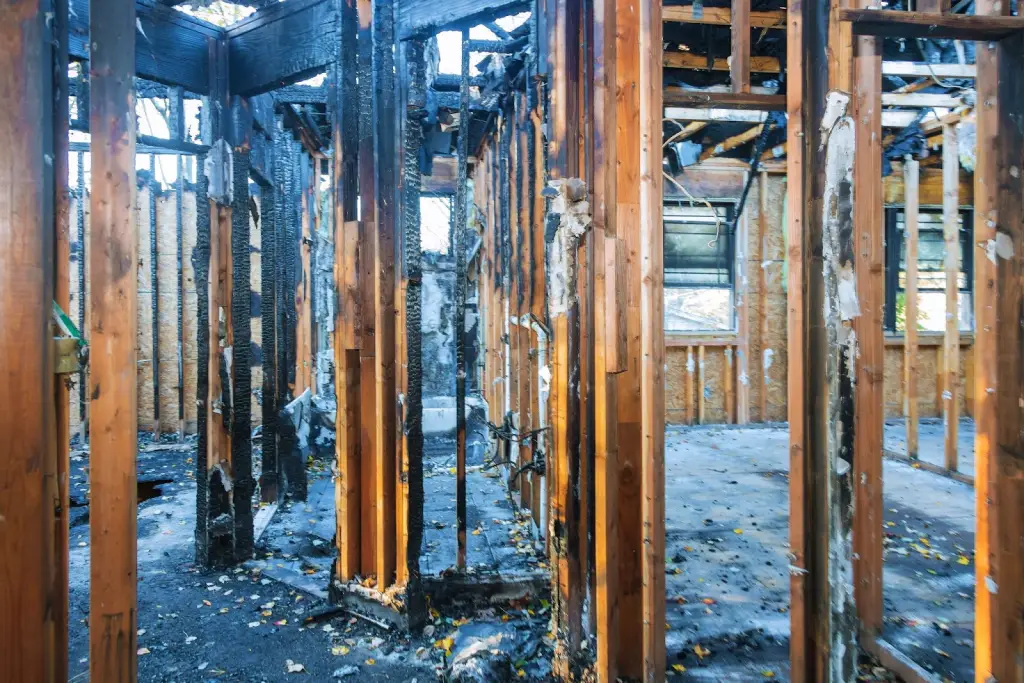
image 26
Restoration Services

Restoration Services vs Renovation: How to Decide Wisely

Restoration vs Renovation: How to Choose the Right Path After Damage Water, fire, and time all leave their marks on buildings, but not every project that follows is the same. Some aim to make a space look new or function better. Others are focused on undoing damage and stabilizing the environment so that life can resume safely. That split—between renovation and restoration—is more than just a matter of vocabulary. It changes the scope, sequencing, risk profile, and even who pays. Understanding how restoration services differ from renovation work helps property owners set realistic expectations, choose the right professionals, and protect both their budgets and health. Restoration Services Focus on Returning What Was Lost The core mission of restoration services is to restore a structure to its pre-loss condition after an event such as a flood, fire, or storm. For official safety recommendations on post-disaster cleanup, see the FEMA guidelines on water and mold damage. The emphasis is on stabilizing the building, removing contamination, and repairing only what the incident actually harmed. Where renovation is elective and aspirational, restoration is urgent and corrective. Success isn’t measured by how trendy the finishes look; it’s measured by moisture readings, air quality metrics, and whether the building is safe to occupy. Because time amplifies damage, crews mobilize quickly with containment, drying, cleaning, and selective demolition to stop deterioration and preserve materials that can be saved. Renovation Work Pursues Upgrades While Restoration Services Preserve Core Elements Renovation projects aim to improve value, efficiency, or aesthetics, often by replacing or reconfiguring existing components. Restoration services safeguard what remains sound and remove what’s unsalvageable. Think Function Before Finish In restoration, the priority is structural integrity, dryness, and cleanliness; style choices are made once the building is stable. Original Materials Matter Saving existing assemblies reduces disruption and waste, and it preserves the character that renovation might otherwise replace. Restoration Services Start With Stabilization In the first hours after a loss, the proper sequence matters more than the right paint color. Restoration services open with hazard assessments, source control, and containment to prevent cross-contamination. Professionals often follow the IICRC S500 water damage restoration standard, which defines the correct drying and decontamination process. Technicians extract standing water, set up negative air or pressure differentials, and deploy drying systems to remove moisture from building assemblies. Only when the structure meets drying goals do they transition to cleaning, odor neutralization, and selective rebuild. Renovation, by contrast, typically begins with design and budgeting, then proceeds to elective demolition and finish selection. The sequencing difference reflects the underlying purpose: restoration halts damage first; renovation creates improvements. Unique Hazards Presented by Restoration Services Restoration projects often encounter conditions that typical remodels rarely face, including Category 3 water, soot and smoke residues, compromised electrical systems, or microbial contamination. Contaminants Require Controls Professional containment, PPE, and validated cleaning protocols ensure the safety of occupants and crews while work proceeds. Documentation Isn’t Optional Moisture logs, photos, and clearance data demonstrate that hazards were mitigated, justifying the scope of work to insurers. How Restoration Services Align With Insurance Claims Most restoration projects intersect with insurance policies that define what is covered and how it must be documented. Restoration services teams are accustomed to writing scoped estimates that map directly to policy language and building codes, using line items that reflect industry standards. Homeowners can also review the Insurance Information Institute’s claim process guide to understand documentation requirements. They provide cause-of-loss notes, equipment logs, and measurements that support the claim file and withstand audit. Claims rarely drive renovation work; instead, it typically follows owner preferences and investment goals. That distinction influences approvals, timelines, and even materials choices, because the objective in restoration is indemnity—returning to pre-loss condition—rather than discretionary upgrades. Restoration Services Versus Discretionary Renovation Costs behave differently depending on the project’s purpose. Renovations heavily emphasize materials and finishes; restoration budgets, however, disproportionately allocate resources to mitigation, equipment time, and specialized labor. Time and Equipment Drive Cost Dehumidifiers, air movers, HEPA filtration, and containment remain on site for days, and their runtime is a core budget component. Scope Matches Proven Damage Adjusters and owners expect to pay for what the loss caused—not for nice-to-have upgrades—so estimates are evidence-based. Timeline for Restoration Services While a remodel might wait on finish samples or permit sequencing, restoration services proceed immediately to prevent secondary damage. The first 24 to 72 hours are decisive: remove liquid water, stabilize humidity, and prevent microbial growth. Schedules are measured in day-by-day drying targets rather than milestone design approvals. Once the structure is clean and dry, a limited rebuild can proceed quickly to restore habitability. Renovations often run longer precisely because they include elective scope, custom orders, and expanded inspections; in restoration, every day of delay can worsen conditions and increase costs. Restoration Services Guard the Breathing Zone Damage events change the air long before they ruin finishes. Wet materials off-gas, soot coats surfaces, and spores can flourish if humidity spikes. Restoration services treat air as part of the job, not an afterthought. Containment Protects Clean Areas Barriers and pressure controls keep particulate and odors from migrating into rooms that were not impacted. Filtration and Verification Matter HEPA capture and post-work checks help ensure the air quality returns to normal as the structure dries and is cleaned. Standards That Govern Restoration Services Restoration draws on published industry standards and best practices that define categories of water, classes of damage, acceptable moisture content, and cleaning protocols. Technicians use moisture meters, hygrometers, and, in some cases, thermal imaging to map wet areas and measure progress. The notion of “quality” is quantified: materials must return to target dryness, odors must be neutralized, and surfaces must be clean to a defined level. Renovation quality is more subjective, often judged by the fit and finish, as well as owner satisfaction with colors, layouts, and features. The metrics differ because the missions differ. Where Renovation Shines and Restoration Services Step Back Renovation is where design takes center stage. You might reconfigure a kitchen, swap

image 24
Water Extraction

The Connection Between Water Extraction Services and Indoor Air Quality

The Connection Between Water Extraction Services and Indoor Air Quality When a building takes on water—whether from a burst pipe, a storm, or a slow leak from an appliance—the conversation usually centers on visible damage. But the less obvious threat hides in the air you breathe. Moisture trapped in carpets, walls, and subfloors can degrade indoor air quality by fueling microbial growth, releasing musty odors, and elevating humidity that stresses HVAC systems. This is where extraction services do their quiet, essential work. By rapidly removing liquid water and enabling controlled drying, they help interrupt the chain of contamination that leads to poor air quality, lingering odors, and long-term health issues. Why Extraction Services Are the First Step in Cleaner Air Speed matters. When liquid water remains in building materials, it migrates into pores and seams where it can support microbes and break down finishes. By performing timely water extraction to pull moisture from soft surfaces, you can reduce the time that materials remain wet, which limits the opportunities for microbes to colonize and for volatile compounds to form. The result is a shorter, safer path to stable humidity and a lower burden on your air filtration and ventilation systems. That early momentum is what keeps a routine water loss from escalating into an indoor air quality problem that lingers for months. How Extraction Services Limit Mold Growth and Hidden Contaminants Minor water intrusions can develop into significant air problems when moisture accumulates in the dark spaces behind baseboards and under carpet pads. Thorough removal of water changes that trajectory. Spore Counts Drop When Moisture Vanishes By quickly reducing free water, extraction services cut off the conditions that allow spores to germinate and multiply. Porous Materials Demand Decisive Action Carpet pads, drywall, and insulation become reservoirs if not dried fast, which is why targeted removal or aggressive extraction can be crucial. Extraction Services and the Balance of Humidity, Ventilation, and Drying Air that is too humid feels heavy, encourages the growth of dust mites, and can exacerbate respiratory discomfort. After water removal, the drying phase must restore indoor humidity to a healthy range. This is not just comfort theater; it’s about air stability. When humidity is high, the air holds onto contaminants longer and slows evaporation within building assemblies. Coordinated use of dehumidifiers, airflow, and temperature control after extraction services accelerates evaporation while preventing over-drying that can warp wood or crack finishes. The outcome is air that is less likely to carry musty compounds, with HVAC filters catching fewer particles and odors diminishing instead of intensifying. What Happens When Extraction Services Are Delayed Time is the enemy. As hours pass, moisture spreads, materials delaminate, and odors strengthen. The building’s air begins to reflect what’s happening inside its walls and floors. Odors Signal Microbial Activity A musty smell is the air’s way of indicating that damp materials are supporting growth, and it becomes harder to remove with each passing day. Off-Gassing Increases As Materials Degrade Adhesives, finishes, and composites release more compounds when they are saturated, thereby elevating irritants in the air. The Science Behind Clean Air After Extraction Services Healthy air is not an accident; it is created through a sequence of steps that remove water, control humidity, and capture particulates. As liquid water is removed, the equilibrium moisture content of materials begins to fall, reducing the diffusion of musty compounds into the breathing zone. Air movers then encourage evaporation from surfaces into the air stream, and dehumidifiers remove that moisture from circulation. Filtration fills the gap by capturing particles that were dislodged during extraction and drying. The combined effect is measurable: lower humidity, fewer odor-causing molecules, and less particulate matter to challenge the lungs and sinuses of occupants. Without the initial push from extraction services, the rest of this chain rarely snaps into place in time. Choosing Extraction Services That Protect Indoor Air Quality Not all responses are created equal. The techniques and tools applied in the first twenty-four hours set the stage for everything that follows. Ask About Moisture Mapping And Meters Professionals should verify wet areas with instruments, not guesswork, so the drying plan targets what you can’t see. Verification Should Include Dry-Standard Targets Explicit criteria for when materials are considered dry help ensure the air won’t backslide into musty territory. Extraction Services in Different Building Types Each property class has unique air risks. In homes, plush carpets, upholstered furniture, and dense closet spaces can trap moisture and feed odors. In offices, raised floors, modular carpet tiles, and shared return-air plenums can spread damp air beyond the spill zone. In healthcare and specialized facilities, sensitive occupants and strict environmental standards raise the stakes. The principle remains the same: fast action from extraction services limits migration, prevents cross-contamination, and reduces the load on filtration and ventilation. Tailoring the response to building materials, occupancy patterns, and HVAC design helps keep the air cleaner during remediation and speeds up the return to normal operations. Comfort, Symptoms, and Extraction Services Indoor air quality isn’t just a number—it’s how people feel and perform. After a water event, occupants often report headaches, throat irritation, or fatigue when dampness lingers. Rapid water removal helps cut down the compounds and particles that can irritate sensitive individuals. As drying stabilizes the environment, you typically see a parallel decrease in complaints and an increase in comfort. That improvement matters for homes where rest is essential and for workplaces where productivity and morale hinge on a space that smells fresh and feels stable. The connection is direct: the better the response from extraction services, the faster the space regains its equilibrium and the clearer the air becomes. Maintenance After Extraction Services to Keep Air Healthy Even a well-executed response can be undone if post-drying maintenance is skipped. The building requires a brief period of heightened attention to solidify gains. Replace Filters After Drying Wraps Filters capture a surge of particulates during remediation; swapping them avoids redistributing what the system just caught. Keep Humidity In The Midrange Portable monitors

image 22
Water Extraction

Water Removal Trends 2025: New Tech That Cuts Damage Time

Future Trends in Water Removal and Restoration Services Water damage is evolving, and so are the methods to stop it. Property owners today face more complex risks from flooding, burst pipes, and hidden leaks. As weather patterns shift and buildings age, traditional cleanup approaches often fall short. As outlined in the IICRC S500 Standard for Professional Water Damage Restoration, modern water removal depends on moisture mapping and humidity control rather than manual drying alone. New technology, more innovative materials, and rising expectations are rewriting how water removal and restoration services are delivered. Why Water Removal Trends Are Worth Following Keeping up with water removal trends helps property owners avoid costly setbacks and slow recoveries. As restoration methods evolve, outdated approaches can expose buildings to mold, structural decay, or extended downtime. New tools, materials, and standards are being adopted faster than ever, especially in high-risk zones. Understanding these changes enables owners to select more effective restoration contractors, make informed upgrades, and respond promptly when damage occurs. Restoration & Remediation Magazine often reports on emerging restoration technologies like smart pumps and desiccant dryers. Emerging Shifts in Water Removal Services Water damage today isn’t handled the same way it was five years ago. New threats, more innovative tools, and rising expectations force the industry to evolve. What was a slow, manual process is now fast, data-driven, and tech-supported. Understanding these shifts can help property owners make quicker decisions, reduce loss, and stay ahead of the next disaster. Smart Technology is Redefining Water Removal Speed Smart technology helps restoration crews detect, assess, and remove water faster. It reduces manual labor and improves accuracy across each phase of the job. With faster alerts and real-time insights, crews don’t waste time guessing. It creates more rapid response times and better outcomes for property owners. IoT Sensors Catch Leaks Before They Cause Damage Internet of Things (IoT) sensors now monitor real-time moisture levels. These small devices send alerts when they detect water where it shouldn’t be. Placed near pipes, appliances, or basement walls, they help prevent flooding before it spreads. This early detection reduces structural damage and cuts restoration costs. The data also lets contractors know precisely where to start the removal process. It’s a modern way to turn a potential disaster into a quick fix. AI Tools Predict Damage and Speed Up Cleanup Artificial intelligence can recognize patterns in thousands of water loss cases. These tools forecast how water will spread and which materials are most at risk. They help restoration teams decide where to focus efforts first. Some systems even recommend drying schedules and equipment placement. It minimizes wasted energy and prevents mold growth. AI also supports better reporting for insurers and clients. Wireless Equipment Simplifies Water Extraction Control Innovative extraction tools can now be controlled remotely using mobile apps. Crews adjust power levels, check tank capacity, or move units without pausing the job. This flexibility enhances efficiency and facilitates the management of large or multi-unit properties. Wireless tools also improve safety by limiting trips through slippery spaces. As systems improve, expect more precision and less downtime. For property owners, that means faster cleanup and fewer disruptions. Green Restoration is Shaping Cleaner Standards Sustainable restoration is more than a trend; it’s becoming an expectation. Many restoration companies now use low-impact tools, biodegradable agents, and power-saving techniques. These methods align with green building codes and reduce environmental harm. They also appeal to property owners looking to reduce their carbon footprint. Energy-Efficient Equipment Cuts Fuel Use and Emissions Modern water extractors use energy-efficient motors and quieter systems. They work longer without overheating and reduce air and noise pollution. These upgrades help meet strict environmental regulations. They’re invaluable in schools, hospitals, and homes with vulnerable residents. Lower emissions also improve indoor air quality during the drying phase. For this reason, more crews are switching to electric or battery-powered tools. Desiccant Drying Reduces Energy Waste Unlike heat-based dryers, desiccant units absorb moisture from the air. They’re more efficient in cold or humid conditions and safer for sensitive materials. Desiccants don’t rely on open heat; they use less energy and reduce fire risk. They’re ideal for properties with hardwood floors, antiques, or electronics. Plus, they dry faster than conventional blowers in certain climates. Their low noise profile is also ideal for 24/7 residential use. Water-Resistant Materials Lower Future Restoration Needs Builders and restoration pros are now turning to materials that can withstand water intrusion. Treated drywall, waterproof flooring, and moisture-sealed subfloors are standard upgrades. These materials help reduce mold growth and long-term repairs. They also meet new building codes that focus on resilience and longevity. By using them during repairs, property owners get added peace of mind. It’s a wise investment that saves on future claims. Automation is Speeding Up Water Restoration Automation allows water removal teams to act faster and with more precision. Machines now handle extraction, detection, and monitoring with minimal oversight. That leads to consistent results, reduced labor needs, and safer environments. Owners benefit from fewer delays and faster reopenings. Smart Pumps React Immediately to Standing Water These automated systems activate when sensors detect rising water. They start pumping water out without manual input, which is perfect for unoccupied buildings or vacant units where water can sit for hours. Automatic shutoff features also prevent power overloads. When crews arrive, much of the water may already have been removed, reducing long-term property damage. Drones Are Assisting With Damage Inspections Restoration companies now use drones to scan rooftops, gutters, and flood zones. These high-resolution tools help document damage and plan the cleanup. They’re instrumental after storms or when access is limited. Drones save time and reduce the risk of injury for inspectors. Footage can be shared with insurance adjusters instantly, speeding up approvals and restoration timelines. Robots Are Taking on Hazardous Crawl Spaces Small, camera-equipped robots now enter crawl spaces, under flooring, and inside HVAC systems. These machines gather moisture readings and look for structural damage. Human crews avoid risky, confined areas until it’s safe to work. This

image1 12
Uncategorized

Water Damage? 7 Quick Fixes to Save Time and Money

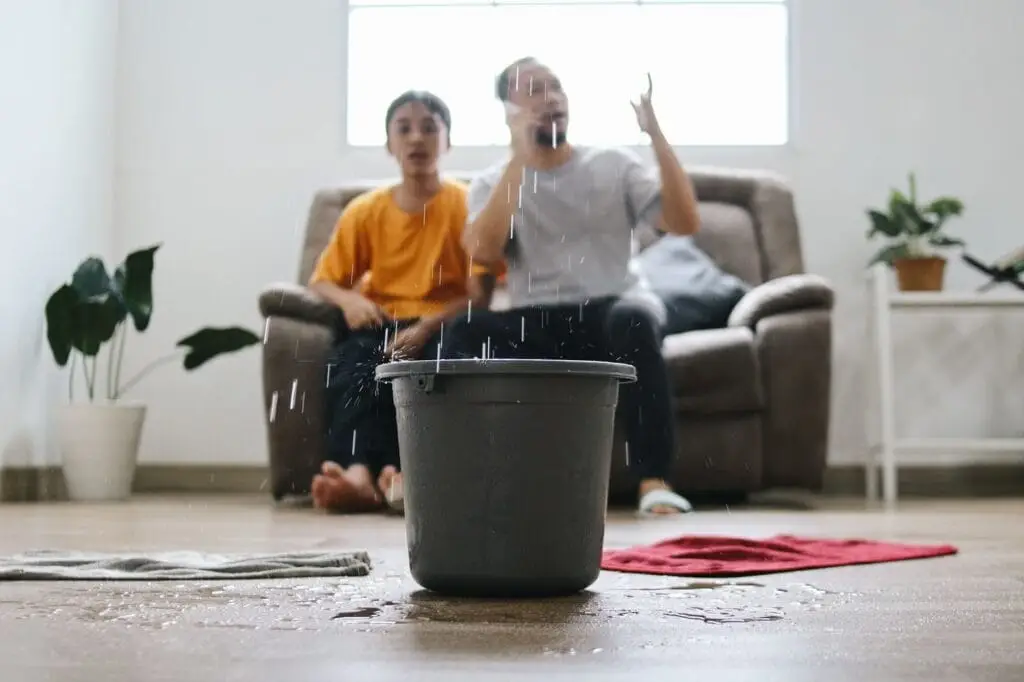
Fixing Water Damage: Where to Start After a Leak or Flood Fixing water damage isn’t just cleanup—it’s a race against time. Within hours, floors can warp, ceilings sag, and musty odors set in. The smartest approach is to stabilize safety, remove moisture quickly, and prevent mold before it spreads. Use the steps below to fix water damage fast and protect your home’s structure and air quality. Why the First Steps in Water Damage Repair Matter The first steps you take after a leak or flood shape everything. Delayed or misdirected action can lead to mold growth, structural issues, and higher repair bills. Worse, it can force you to redo work that was rushed or done without proper inspection. By knowing where to begin, you avoid compounding the damage and wasting time. Prioritizing safety, moisture removal, and smart decisions sets the tone for a smoother recovery. It also gives you a better foundation for dealing with insurance, contractors, and long-term fixes. Fixing Water Damage: What to Do First Standing in a flooded room can freeze you in place. Your mind races, but your body hesitates because you don’t know what to do first. Acting without a plan risks exacerbating the damage. Taking the wrong step wastes time, money, and effort. Starting in the right place isn’t just helpful; it’s critical. Once you’ve secured safety, the next move is moisture removal. Take Safety Precautions Before Starting Water damage often hides more than wet floors and soggy walls. It can bring electrical hazards, structural risks, and contaminated water into your space. Before rushing to dry or remove anything, step back and evaluate the environment for danger. Your safety and that of your household depend on how you begin. Shut Off Power Sources and Stay Alert Turn off the power at the main breaker if water reaches outlets, wires, or appliances. Even shallow flooding may energize parts of your home you can’t see. Electrical current moves through standing water and poses immediate danger. If you smell gas or hear hissing, leave the house and call emergency services. Avoid touching anything plugged in or using lights until cleared by a professional. Safety comes before salvage. Wear Protective Gear in Affected Areas Before stepping into any wet space, protect yourself adequately. Floodwater often carries bacteria, sewage, oil, and sharp debris. Rubber boots, nitrile gloves, and a high-filtration mask help guard against skin infections and respiratory issues. Avoid wearing everyday shoes or going barefoot, as minor cuts can become serious health risks. If you’re cleaning, long sleeves and goggles also help reduce exposure. Keep all children and pets completely out of the area. Call for Help if You Suspect Structural Risk If floors feel soft or ceilings sag, there may be hidden damage. Water can weaken framing and drywall faster than most people expect. Avoid walking on suspect flooring or touching damaged walls. Restoration teams have tools to check for rot, trapped moisture, and collapse risks. Their reports also help with insurance claims. Getting expert eyes on the scene protects you from future surprises. Fixing Water Damage Fast: Remove Water Quickly After securing the area, move quickly to remove the water. Moisture spreads quickly through floors, walls, and hidden layers. Every extra hour gives mold a head start and weakens the building further. Quick action now saves you time and money later. Remove Surface Water as Soon as It’s Safe Use wet/dry vacuums or portable sump pumps to clear pooled water. If these aren’t available, buckets and mops work in a pinch. Focus first on low points where water collects and spreads. Soaked carpets and rugs should be pulled back or removed entirely. Even if they seem dry on top, the padding underneath traps water. The faster you remove it, the less cleanup you’ll face later. Boost Airflow to Dry Rooms Efficiently Once surface water is gone, turn your focus to ventilation—open windows and set up fans to push humid air outside. Airflow helps evaporate water trapped in walls, trim, and subfloors. Angle fans toward wet corners and rotate them every few hours. Use industrial-grade air movers or rent high-velocity fans from a local supplier for the best results. Constant circulation prevents stale, damp air from lingering. Lower Humidity With Dehumidifiers Moisture doesn’t just sit on surfaces; it hangs in the air. Dehumidifiers draw water from both the air and anything they touch. Use a large-capacity model for rooms with no cross-breeze or high humidity. Run it continuously for at least 48–72 hours. Empty the tank regularly or hook up a drain hose. Keep doors closed to allow it to work efficiently. Spot Hidden Moisture With Proper Tools Even after the surface dries, moisture may still hide in your structure. Use a moisture meter to check baseboards, drywall, and flooring. These tools help detect water that can’t be seen or felt. If you don’t own one, many home improvement stores rent them. You can also call in a restoration company for thermal imaging scans. Finding trapped moisture early helps prevent deeper damage. Know What Can Be Saved and What Must Go After removing the water, the objective evaluation begins. Not every item in a water-damaged property is a total loss. Some materials can be dried and restored, while others may trap moisture and become breeding grounds for mold. Making informed decisions now prevents long-term issues like decay, indoor air problems, and repeat repairs. Evaluate Structural Materials First Start with walls, floors, and ceilings. Drywall absorbs water quickly and loses strength quickly. It usually needs to be cut out and replaced if it’s soft, sagging, or discolored. Insulation behind walls often holds water, which promotes mold, so inspect it closely. Solid wood framing may be salvageable if dried quickly and correctly. Any visible mold or soft spots are signs it’s time to replace the material. Check Flooring and Subfloor Conditions Flooring materials respond differently to water. Hardwood can sometimes be restored if dried immediately and treated for mold. Laminate flooring tends to swell and warp, making it

image 19
Flood Damage Cleanup

How to Protect Your Home From Flood Damage Before Storm Season

How to Protect Your Home From Flood Damage Before Storm Season Flooding isn’t just a seasonal threat but a growing reality for more homeowners annually. Storm patterns are shifting, urban sprawl is changing natural drainage, and climate conditions are amplifying risks. Many property owners don’t realize how easily flood damage can happen until water is inside. Once it starts seeping in, it doesn’t take long before thousands of damages add up. Why Protecting Your Home From Flood Damage Matters Flood protection isn’t just about avoiding water but preserving your home’s value, stability, and safety. Flooding can destroy flooring, walls, electrical systems, and personal belongings in hours. Worse, mold and structural issues often follow long after the water recedes, leading to costly repairs and health risks. Even properties outside known flood zones are seeing increased flood events due to changing weather and poor drainage systems. Taking preventative action now helps avoid significant financial losses, insurance headaches, and emotional stress when storms hit. Smart Ways to Shield Your Home From Flood Damage Floods strike fast, often without giving you time to react. What feels like a routine storm can turn into inches of water rushing through your home. Your best defense is to take preventive steps before the season begins. The following are the most effective ways to reduce your risk and protect what matters. Know Your Flood Risk Before a Storm Hits Flood risk isn’t always apparent from looking outside. Even homes outside FEMA’s high-risk zones can face water damage. Risk varies based on local drainage, elevation, and development patterns. Getting a clear picture now will help you prepare the proper defenses. Use FEMA Maps and Local Risk Assessments FEMA flood maps offer a general sense of flood exposure. However, you should also check with your local planning office for updated risk zones, especially if your area has recently seen new construction or major storms. Local floodplain managers can often provide more specific data and historical flood records for your neighborhood. According to FEMA’s Flood Map Service Center, homeowners can access updated flood risk zones and elevation data before storm season. Pairing federal data with local insights gives you a complete understanding of your property’s vulnerability. This dual-source approach allows for smarter upgrades and planning before the storm season. Track How Water Moves on Your Property Your yard might appear dry on most days, but rainfall exposes where the real issues lie. Water often collects near the foundation, sunken lawns, or entry points like doors and basement windows. When drainage fails, these problem areas become entry paths. Monitoring during rainstorms helps identify where to regrade soil, install drains, or seal weak spots. That firsthand view of water flow is one of the most practical ways to get ahead of flooding. Strengthen Exterior Defenses Against Flood Damage The exterior of your home must block water before it reaches vulnerable areas inside. If your foundation, doors, and siding aren’t correctly sealed or elevated, water will find a way in. Reinforcing these barriers now gives your structure a fighting chance when rain levels rise. These small upgrades can dramatically reduce the risk of flood damage during heavy rain. Seal Entry Points to Prevent Water Intrusion Cracks in foundation walls, door frames, and windows act like open doors for stormwater. Sealing these gaps with durable caulking or waterproof compounds prevents moisture from working into drywall, wood framing, and insulation. Regular inspections each season help you catch deterioration early. By addressing small leaks before they expand, you avoid expensive repairs and preserve your home’s strength. Add Foundation Vents to Reduce Wall Pressure Flood vents create controlled openings in foundation walls that allow water to flow through instead of pressing against the structure. Without them, hydrostatic pressure builds and risks cracking or collapsing concrete walls. FEMA-approved vent systems can engage automatically when water levels rise. Many building codes in flood-prone zones now recommend or require them to prevent long-term damage. Elevate Outdoor HVAC and Power Systems Appliances like HVAC compressors, water heaters, and breaker panels suffer quickly when submerged. Mounting these systems on concrete blocks or elevated frames keeps them safe during flash floods. Raising these critical systems makes getting your utilities running again after a storm easier. Electrical upgrades may also qualify for reduced insurance premiums or safety certifications. Upgrade Drainage to Direct Water Away Fast When water lingers near your home, it weakens walls and undermines structural footing. Sound drainage systems send water away from your house fast, reducing the risk of flooding and long-term erosion. Clean Gutters and Extend Downspouts Gutters filled with debris can’t channel water correctly, so overflow falls directly near your foundation. Cleaning them regularly and adding downspout extenders pushes rainwater into your yard. This simple task protects siding, prevents mold, and reduces pooling around the home. It’s one of the easiest and most effective steps in flood prevention. Install a French Drain to Control Yard Runoff French drains use gravel-filled trenches and perforated piping to collect water and reroute it downhill or into a dry well. They’re ideal for properties where water settles near the structure or patio. Installing one helps keep water away from the foundation and reduces basement leaks. It’s a discreet yet powerful upgrade for homes in heavy rainfall zones. Regrade Soil to Slope Away From Foundations Improper grading sends water toward your home instead of away from it. Regrading involves reshaping the terrain so that soil slopes slightly downward from the foundation. It redirects water into drains or natural runoff paths. A slight slope, just a few inches over several feet, can make a significant difference during storms. Waterproof the Basement to Avoid Hidden Flood Damage Basements flood easily due to their position below ground level. Once water enters, it can linger for days, promoting mold growth, damaging wiring, and compromising the home’s base. Use Waterproof Coatings for Interior Basement Walls Waterproofing paint and hydraulic sealants form a layer between masonry and moisture. These coatings bond tightly to concrete and block groundwater seepage during storms.

image 15
Temperature Controlled Storage

What Items Require Storage With Temperature Control?

What Items Require Storage With Temperature Control? Some belongings can’t handle extreme heat, cold, or humidity. They’re too valuable, fragile, or sensitive to leave in a regular storage unit. It becomes even more urgent if you’re storing items long-term or live in a climate with seasonal shifts. Controlled storage offers a reliable solution that keeps your items in top condition without risk of deterioration. Storage With Temperature Control Explained Temperature-controlled storage is more than just a convenience; it’s a safeguard. It protects sensitive items from extreme heat, cold, and moisture damage. Standard storage units fluctuate with the weather, which can lead to long-term damage. Storage with temperature control maintains steady conditions throughout the year. What Makes Climate-Controlled Storage Different Storage with temperature control protects your items from weather-related damage. These units stay between 55°F and 80°F year-round, regardless of outdoor temperatures. Most facilities also include ventilation or humidity control systems, which prevent mold and condensation. Compared to traditional storage, these units provide a much more stable environment. That matters if you store electronics, paper, wood, fabrics, or artwork. Even padded or covered items can break down over time without that control. Why Property Owners Prefer Temperature Control If you’re a homeowner, landlord, or business owner, your items reflect personal or financial value. Furniture, documents, and devices often represent long-term investments. Temperature-controlled units help avoid problems like cracking, warping, or mold in non-insulated spaces. These risks are higher in areas with humidity, freezing winters, or scorching summers. This kind of storage reduces replacement costs for property owners with seasonal tenants or fluctuating inventory. It also keeps your assets ready to use at any time. What Belongings Need Climate-Controlled Storage Not everything stores well in a standard unit. Certain items react badly to heat, cold, and moisture, even over short periods. Without proper care, they lose value, function, or integrity. Below are the most common types of items that demand a temperature-controlled space. Electronics and Appliances  Electronics aren’t built to survive in unstable environments. Devices and appliances can suffer internal damage when exposed to high humidity or fluctuating temperatures. Even a short period of improper storage can ruin performance. That’s why these items need climate-regulated spaces. Electronics Electronics, such as televisions, computers, game consoles, and audio systems, are susceptible to the effects of climate change. Heat causes internal parts to expand, and cold can crack soldering points. Humidity presents another problem, as moisture buildup can cause corrosion and short circuits. Condensation forms when temperatures swing, especially inside sealed components. Once damage occurs, these items cease to function and lose all resale value. That’s why climate control isn’t optional when storing electronics. Appliances Large and small appliances, including refrigerators, ovens, washers, dryers, and microwaves, also need climate protection during storage. These machines have rubber seals, metal parts, and sensitive wiring that deteriorate in extreme heat or cold. Cold air can cause plastic components to become brittle, while heat can lead to internal overheating or insulation failure. Even if they aren’t plugged in, environmental exposure weakens their performance. Keeping appliances in a temperature-controlled unit extends their life. Furniture Types That Can Warp or Crack  Wood, fabric, or leather furniture can degrade quickly in the wrong conditions. Heat, moisture, and dry air all impact the materials used in household furnishings. Without the proper protection, even short-term storage causes visible damage. Climate-controlled storage keeps furniture usable and looking sharp. Wood Furniture  Natural wood reacts to moisture and temperature changes. When the air is damp, wood absorbs it and swells. When the air is dry, it shrinks. This cycle leads to cracking, splitting, and loose joints. Veneers may peel, and finishes lose their shine or color. Storing wood in a climate-controlled unit avoids these outcomes entirely. Upholstered and Leather Furniture  Soft furniture is even more prone to damage in storage. Mold, mildew, and fabric discoloration can start in just a few weeks in a humid unit. Leather dries out and cracks in dry air, or softens and stretches in warm air. Foam cushions flatten or break down in unstable environments. If pests find their way in, they’ll target natural fabrics. Climate control adds a layer of defense against all these risks. Antique and Sentimental Pieces  Older furniture or pieces passed down through generations often include delicate craftsmanship. Glues, fabrics, and finishes used decades ago weren’t designed to handle modern environmental stress. Without stable storage, they degrade quickly. Once that damage occurs, restoration is costly or impossible. Climate control isn’t optional for property owners storing heirlooms or collectors’ pieces. It’s the only safe option. Documents, Books, and Photos  Paper-based items degrade quickly when exposed to humidity, heat, or cold. From books to records, their value and readability can fade over time. Storage with temperature control prevents mold, brittleness, and ink loss and extends the life of personal or business documents. Books and Important Documents Paper doesn’t do well in heat or humidity. It becomes brittle, curls at the edges, or fades. Ink smudges or lightens when stored in damp spaces. Mold also forms on paper surfaces if the airflow is poor. Over time, even stored books can stick together or lose value. Temperature-controlled storage keeps your files, books, and blueprints intact and legible. Photographs  Photos are made with chemical layers and specialty paper. These layers break down quickly under stress. Heat distorts colors, and moisture separates photo paper. Albums buckle and stick together in non-controlled storage. Temperature-controlled conditions are necessary if you’re storing family photos or printed media. Once a photo is damaged, there’s no bringing it back. Business Inventory and Office Gear For business property owners, storage isn’t just about space but about preservation. Inventory, office equipment, and documents are sensitive to changes in climate. Without proper conditions, stock becomes unsellable and equipment fails. Controlled storage keeps operations protected and ready. Retail Products Sensitive to Heat and Moisture Products like cosmetics, candles, supplements, or anything with a shelf life react badly to extreme storage conditions. Seals break down, packaging warps, and formulas can spoil. Labels fade,

image 12
Smoke Damage Cleanup

The Hidden Health Risks of Untreated Smoke Damage

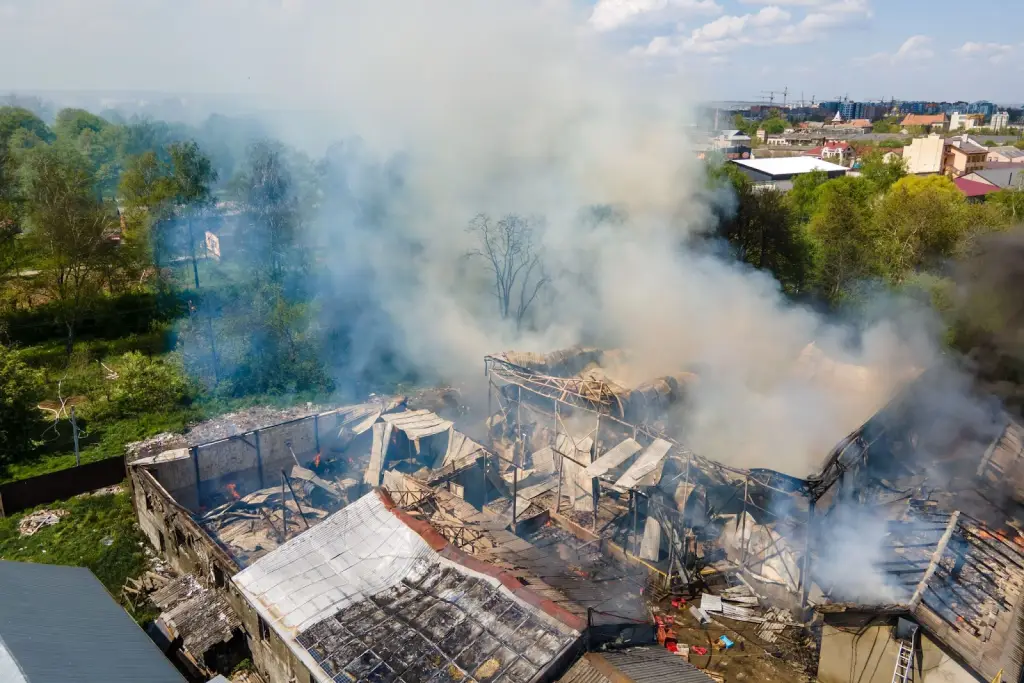
The Hidden Health Risks of Untreated Smoke Damage Fire might stop burning in a day, but its damage doesn’t. Property owners often focus on visible destruction, ignoring what’s left behind in the air and walls. Lingering smoke damage slowly seeps into every surface, posing ongoing health risks long after the flames are gone. Most homes affected by fire still carry toxic particles weeks or months later. This ongoing threat is easy to overlook, but it doesn’t fade. Why Ignoring Smoke Damage Harms Your Health Smoke may disappear fast, but what it leaves behind doesn’t. Every untreated surface, scent, and stain holds more than a memory; it carries real health threats. These dangers don’t always show up immediately, but they build with each day of exposure. Your property and body can’t afford to wait for the following reasons. Residue After Fires Goes Deeper Than You Think Smoke damage reaches deeper than the eye can follow. Even after cleaning visible surfaces, harmful particles stay in the air, settle into fabrics, and cling to walls. These particles carry toxic chemicals that affect air quality and long-term health. The space may appear clean, but it’s unsafe until properly restored. Airborne Particles Continue to Circulate Indoors After a fire, the air is loaded with microscopic contaminants. These include carbon monoxide, fine soot, and volatile organic compounds. Many are too small to see but large enough to harm your lungs. Without proper filtration, these particles keep moving through your HVAC system. Every time the heat or AC turns on, the cycle repeats. Clean air won’t return until these particles are removed at the source. Soot Causes Lasting Surface and Air Contamination Soot isn’t just dust; it’s corrosive and chemically reactive. It settles on surfaces and breaks them down over time. When touched or disturbed, it also irritates the skin and lungs. Even small amounts can trigger asthma, coughing, or itchy eyes. The cleanup becomes more complex and expensive as it embeds deeper into materials. Delaying removal leads to worsening indoor conditions. Smoke Odors Contain Toxic Chemical Residues The smell left after a fire isn’t just unpleasant; it’s dangerous. That odor signals the presence of lingering toxins in the form of volatile molecules. These chemicals can off-gas into your breathing space for weeks or even months. Air fresheners can’t mask or remove them. Only specialized odor neutralization eliminates the risk. Until then, every breath carries those harmful compounds deeper into your lungs. Fires Leave Behind Long-Term Breathing Risks Untreated smoke damage leads to chronic breathing issues. The fine particles and chemical byproducts left behind remain suspended in indoor air. They aggravate preexisting conditions like asthma and bronchitis and may create new respiratory problems. Vulnerable people, such as children, seniors, and those with immune issues, are affected first. Fine Smoke Particles Penetrate Deep Into Lungs Smoke particles smaller than 2.5 microns easily bypass your nose and throat. They move directly into your lungs and settle there. These particulates cause inflammation and limit your ability to breathe comfortably. Prolonged exposure increases the risk of asthma, bronchitis, and respiratory infections. Children and older adults absorb these toxins more quickly. Long-term health outcomes worsen when cleanup is delayed. Daily Exposure Creates Long-Term Breathing Issues Continual exposure to smoke-damaged air changes how your body responds to allergens. It lowers oxygen intake and creates a constant state of irritation. Some people may develop chronic coughs or experience wheezing without knowing the cause. People with heart or lung issues face even higher risks. That isn’t limited to large fires; even light smoke damage in small areas can harm. Professional remediation makes a measurable difference in indoor air quality. Kids, Seniors, and Immunocompromised at Higher Risk Children’s developing lungs make them especially vulnerable to smoke exposure. Seniors, especially those with preexisting conditions, also face serious complications. Lingering particles stress the immune system and delay healing from common illnesses. These groups breathe in more of the air inside a property, spending more time indoors. That means prolonged exposure hits them hardest. Fast and thorough smoke damage cleanup is critical for their safety. Lingering Toxins Weaken the Body Over Time Prolonged exposure to smoke residue stresses the immune system. Toxins that remain in walls, air, and materials slowly trigger chronic inflammation. It can affect digestion, mental clarity, sleep, and more. People may feel “off” for weeks without realizing it’s connected to indoor air quality. Smoke Residue Triggers Ongoing Inflammation The chemicals in smoke stimulate an immune response when inhaled. That immune reaction doesn’t always shut off right away. In fact, low-level inflammation may become the new normal. Over time, this wears down your defenses and reduces your body’s ability to respond to other illnesses. People often notice sluggishness, frequent colds, or fatigue. It usually goes unlinked to smoke damage unless tested professionally. Chemical Toxins Disrupt Body Systems Over Time Smoke residue often contains benzene, toluene, and dioxins. When absorbed, these disrupt hormones and interfere with organ function. While symptoms may start mild, they worsen with repeated exposure. Mood swings, nausea, or foggy thinking may occur regularly. These aren’t random; they’re often tied to environmental factors. Professional fire and smoke damage cleaning eliminates the root cause and helps restore health balance. Emotional and Mental Health Also Take a Hit Lingering smoke odors are more than annoying; they affect how people feel. Scents are closely tied to memory and emotion. For fire survivors, these odors act as constant reminders. They also indicate that the home is still not fully clean or livable. The Smell of Smoke Reinforces Stress and Anxiety Even a faint smoky smell reminds people of the trauma. It keeps the event alive in their memory and blocks emotional recovery. No matter how much you clean the house yourself, the odor may still return. That creates frustration and helplessness. Many people avoid parts of their homes or feel uneasy indoors. Complete odor neutralization helps the space feel safe again. Contaminated Air Quality Affects Mental Clarity Poor air quality doesn’t just hurt your lungs; it clouds your

image 9
Water Damage Restoration

Water Damage Repairs: How to File Insurance Claims the Right Way

How Insurance Works With Water Damage Repairs Water damage repairs are often eligible under homeowners’ insurance, but only when the damage is sudden and accidental. That means water from a burst pipe or faulty appliance may qualify, while slow leaks, drainage backups, or neglect-related problems usually do not. Each claim depends on the source of the water, how long it has been present, and whether you’ve taken steps to address the problem, as outlined by the Insurance Information Institute for standard homeowners’ policies. Knowing precisely what your policy states helps you avoid unexpected out-of-pocket expenses. Water Damage Repairs Types Covered by Insurance Insurance usually covers water damage that starts from inside the home. It includes plumbing failures, appliance malfunctions, or sudden roof damage during a storm. For example, if a frozen pipe bursts and floods your hallway, your policy likely covers the repairs. However, damage from long-term leaks or poor maintenance is often denied. Additionally, flooding caused by heavy rain, rising rivers, or sewage backups requires a separate flood or sewer backup policy. Clarify the exclusions before water finds its way into your property. Covered vs. Non-Covered Events Covered water damage must be accidental and unexpected. A typical example is water damage from a washing machine overflow or an air conditioning drain pan failure. On the other hand, long-term leaks under sinks or behind walls are usually considered homeowner negligence. Insurers might inspect the area and deny the claim if they spot mold, rust, or corrosion signs. Roof leaks are often covered if caused by hail or a fallen tree, but not if the roof is old or improperly maintained, according to FEMA’s flood and insurance guidance. These distinctions matter when filing your claim. Why Timing Impacts Coverage Decisions Delays can turn a valid claim into a rejected one. Insurance companies expect homeowners to report damage promptly and take steps to prevent further loss. Waiting days or weeks to address the issue can raise questions about whether the damage has worsened due to inaction. Mold, for example, typically forms within 48 hours, and most policies exclude mold-related costs unless proven unavoidable. Fast reporting, mitigation, and documentation support your chances of approval. Quick action demonstrates your responsibility as a policyholder. Understanding the Water Damage Repairs Claims Process Filing a claim for water damage repairs involves multiple steps, and missing even one can slow everything down. Insurance companies require proper documentation, accurate estimates, and timely communication. Knowing how this process works helps you protect your payout and avoid delays. It also ensures that repairs are completed faster, preventing additional damage to your home. Steps to Take Immediately After Water Damage Start by stopping the water source if you can do so safely. Next, take clear photos and videos of all affected areas, including flooring, walls, and personal items. Contact your insurance company immediately to initiate a claim, and then schedule professional water mitigation services if necessary. Avoid throwing anything out until an adjuster sees the damage. Keep receipts for cleanup services and equipment rentals, like fans or dehumidifiers. This paper trail becomes part of your claim file. What the Insurance Adjuster Looks For The insurance adjuster inspects the damage to decide what’s covered and how much the company should pay. They assess where the water came from, how far it spread, and whether materials are salvageable. Adjusters rely on your photos, mitigation records, and contractor estimates to back up your case. Be present during the inspection to explain the timeline of events. They may also use software to calculate repair costs based on market rates. Be prepared to negotiate if their estimate seems low. How Water Damage Repair Estimates Are Calculated Contractors and insurance companies use different methods to estimate repair costs. Contractors typically assess labor, materials, and the full scope of work needed for proper restoration. Insurance companies often rely on pricing software and may try to lower costs with substitute materials or generic replacements. It’s smart to get two or three professional estimates to compare with what your insurer offers. If there’s a significant gap, you can submit a written rebuttal. Knowing the value of the repairs keeps the process transparent. Common Insurance Issues With Water Damage Repairs Insurance for water damage repairs doesn’t always run smoothly. Property owners often face delays, denied claims, or frustrating back-and-forth with insurers. These issues typically arise from unclear policies, inadequate documentation, or disputes over costs. Understanding common problems helps you avoid the stress and keep repairs on track. Why Claims Get Denied or Delayed Claims often get denied when insurance companies argue the damage was preventable. For example, ignoring a slow drip under the sink for weeks may be seen as neglect. Insurers may delay approval without a clear record of when the damage occurred or how you responded. Some even request third-party inspections or contractor reports to verify your story. Additionally, the claim may get stuck in review if multiple parties are involved, such as a tenant or vendor. Keep communication and records clear from the start. Actual Cash Value vs. Replacement Cost Your insurance payout depends on how your policy values items. You’ll receive the item’s value minus depreciation if you have actual cash value (ACV) coverage. With replacement cost coverage, you get the full cost of replacing it with a new, similar item. For example, if your ten-year-old carpet is damaged, ACV will pay much less than it costs to install a new carpet. Knowing which coverage you have affects how you budget for repairs. Ask your agent if your policy can be upgraded to replacement cost. How Deductibles Impact Your Claim Your deductible is the amount you pay before insurance starts helping. If your deductible is $2,500 and the repair cost is $4,000, you’re only reimbursed $1,500. Higher deductibles may lower your monthly premium, but they also reduce the value of small claims. Some policies have different deductibles for water damage, especially if you live in a flood-prone area. It’s essential to know your financial exposure before you

image 5
Water Damage Restoration

Why Professional Assessments Are Essential in Home Restoration

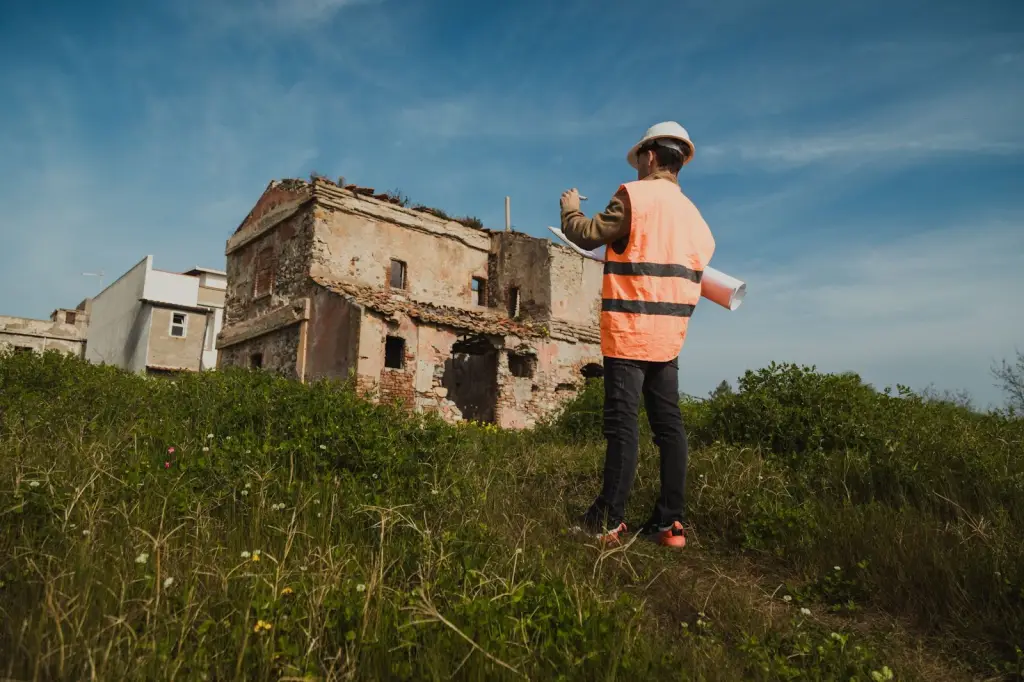
Why Professional Assessments Are Essential in Home Restoration When disaster strikes or years of wear finally surface, restoring a home becomes more than a cosmetic project. Property owners face layers of decisions, from repairing damage to preventing it from happening again. The pressure to act fast can cloud judgment, leading to rushed choices or missed issues. Getting the complete picture early gives homeowners clarity, control, and direction. That’s where the expertise of a professional assessment truly changes everything. Why Assessments Matter in Home Restoration Professional assessments are the cornerstone of any home restoration project. They provide the clarity needed to move forward without wasting time or resources. Without them, property owners often rely on guesswork or visual cues, which rarely tell the whole story. Accurate evaluations reduce confusion and create a reliable foundation for every subsequent decision. Understanding the Scope of Damage A home can look fine on the outside but be falling apart inside. Cracks in the walls may hint at foundation issues, or water stains could signal widespread mold. Only professionals know where and how to look beyond the surface. They use tools, knowledge, and experience to detect structural issues, moisture problems, and safety hazards that go unnoticed by the untrained eye. Restoration work often covers issues without this level of scrutiny, instead of solving them. Prioritizing Repairs With Precision Professional assessments help determine what must be fixed now and what can wait. This sequencing prevents wasteful spending on low-priority areas. For example, addressing cosmetic drywall damage before fixing a roof leak leads to repeat repairs. With a prioritized plan, every dollar spent directly contributes to long-term recovery. That clarity saves not just money but also time and stress. Estimating Costs With Confidence One of the most stressful parts of home restoration is the cost. Without a proper assessment, budgeting becomes a guessing game. Professionals offer detailed reports that break down repair needs and likely expenses. These reports allow homeowners to plan, seek financing, or negotiate with insurance effectively. No one wants surprises mid-project, but an expert assessment can avoid them entirely. Why Assessments Come First in Home Restoration Restoring a damaged home without a professional assessment is like building on uncertain ground. What looks minor often hides deeper structural or safety risks. Homeowners need more than visual cues; they need clear, expert-driven insight. The following are the reasons professional evaluations should be your first step before any repair begins. Expert Insight Helps Protect Property Value Restoration should do more than patch up damage. It should protect, if not improve, your home’s long-term worth. A proper assessment gives homeowners the strategy to make decisions that strengthen property value. It also guards against the hidden consequences of quick fixes. Ensures Structural Integrity When structural issues go unchecked, property value takes a direct hit. Professional assessments focus first on the home’s foundation, walls, beams, and roof. Even a small crack or shift in weight-bearing walls can compromise the entire structure. Restoring without this insight could put the whole project at risk. These evaluations ensure the work being done builds strength, not just appearances. Meets Code and Compliance Standards Restoration must follow building codes, zoning rules, and permit requirements. Professionals stay updated on local regulations and ensure the home meets all legal standards. This step prevents fines, delays, or forced rework down the line. Moreover, if the property is ever sold, documentation of compliant restoration improves buyer trust. It’s not just about passing inspections but about restoring credibility and safety. Prevents Future Damage Damage rarely happens in isolation. A leak today could grow into mold tomorrow. Professionals trace damage to its root cause, helping homeowners fix it at the source. That means sealing vulnerabilities, improving drainage, or upgrading outdated materials. Long-term protection only works when assessments look ahead, not just at what’s already broken. Reinforces Insurance Coverage and Resale Value A detailed third-party assessment report can become valuable during insurance negotiations or property sales. Buyers and insurers trust verified documentation over verbal claims. This added layer of credibility helps homeowners prove the value of their repairs and reassures future buyers that no corners were cut. Assessments pay off even after the dust settles. Professional Evaluations Enhance Safety Restoration isn’t only about aesthetics or resale; safety is often the core concern. Professional assessments help prevent accidents, health risks, and future emergencies. They bring hidden dangers into focus so they can be addressed before causing harm. Safety must be built into the process, not tacked on afterward. Detects Hazardous Materials Older homes may contain lead paint, asbestos insulation, or other harmful substances. These are dangerous to handle without the right tools and certifications. Professionals identify these materials and arrange for safe removal. DIY testing can release toxins into the air, putting everyone at risk. Trusting certified assessors is not just smart; it’s necessary for health. Evaluates Electrical and Plumbing Systems Outdated wiring or hidden leaks can turn restoration into a fire hazard or water disaster. These systems must be inspected before replacing walls, floors, or ceilings. Professionals test loads, check breakers, and evaluate pipe pressure. This procedure catches risks like overheated wires or pipe corrosion. Restoration without this step often leads to tearing things apart twice. Analyzes Fire and Water Damage Damage after a fire or flood can be deceptive. Walls may look intact but be warped inside, or insulation could be soaking wet while the drywall appears dry. Trained assessors know how to evaluate the depth of damage, not just the surface. Their findings dictate which materials must be removed and which can be salvaged. Skipping this step leads to rot, mold, or structural weakening. Secures Entry Points and Accessibility Safety also involves how people enter, exit, and move through the home. Restoration assessments evaluate steps, railings, locks, lighting, and pathways. This step is essential for families with children or older adults. Upgrades to safety features are best made during restoration, not afterward. Assessments ensure that those improvements aren’t overlooked. Accurate Evaluations Cut Costs and Delays Home restoration is expensive even

Scroll to Top