Water Extraction

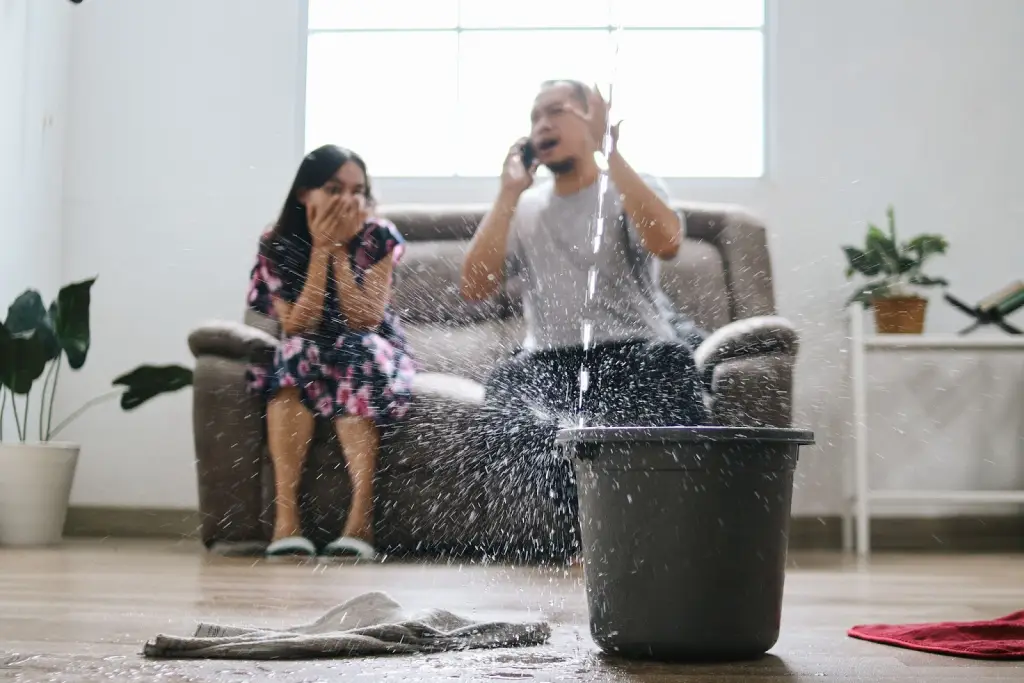
Two people sit on a couch behind a water leak coming from the sealing. 
Water Extraction

The Connection Between Water Extraction Services and Indoor Air Quality

The Connection Between Water Extraction Services and Indoor Air Quality When a building takes on water—whether from a burst pipe, a storm, or a slow leak from an appliance—the conversation usually centers on visible damage. But the less obvious threat hides in the air you breathe. Moisture trapped in carpets, walls, and subfloors can degrade indoor air quality by fueling microbial growth, releasing musty odors, and elevating humidity that stresses HVAC systems. This is where extraction services do their quiet, essential work. By rapidly removing liquid water and enabling controlled drying, they help interrupt the chain of contamination that leads to poor air quality, lingering odors, and long-term health issues. Why Extraction Services Are the First Step in Cleaner Air Speed matters. When liquid water remains in building materials, it migrates into pores and seams where it can support microbes and break down finishes. By performing timely water extraction to pull moisture from soft surfaces, you can reduce the time that materials remain wet, which limits the opportunities for microbes to colonize and for volatile compounds to form. The result is a shorter, safer path to stable humidity and a lower burden on your air filtration and ventilation systems. That early momentum is what keeps a routine water loss from escalating into an indoor air quality problem that lingers for months. How Extraction Services Limit Mold Growth and Hidden Contaminants Minor water intrusions can develop into significant air problems when moisture accumulates in the dark spaces behind baseboards and under carpet pads. Thorough removal of water changes that trajectory. Spore Counts Drop When Moisture Vanishes By quickly reducing free water, extraction services cut off the conditions that allow spores to germinate and multiply. Porous Materials Demand Decisive Action Carpet pads, drywall, and insulation become reservoirs if not dried fast, which is why targeted removal or aggressive extraction can be crucial. Extraction Services and the Balance of Humidity, Ventilation, and Drying Air that is too humid feels heavy, encourages the growth of dust mites, and can exacerbate respiratory discomfort. After water removal, the drying phase must restore indoor humidity to a healthy range. This is not just comfort theater; it’s about air stability. When humidity is high, the air holds onto contaminants longer and slows evaporation within building assemblies. Coordinated use of dehumidifiers, airflow, and temperature control after extraction services accelerates evaporation while preventing over-drying that can warp wood or crack finishes. The outcome is air that is less likely to carry musty compounds, with HVAC filters catching fewer particles and odors diminishing instead of intensifying. What Happens When Extraction Services Are Delayed Time is the enemy. As hours pass, moisture spreads, materials delaminate, and odors strengthen. The building’s air begins to reflect what’s happening inside its walls and floors. Odors Signal Microbial Activity A musty smell is the air’s way of indicating that damp materials are supporting growth, and it becomes harder to remove with each passing day. Off-Gassing Increases As Materials Degrade Adhesives, finishes, and composites release more compounds when they are saturated, thereby elevating irritants in the air. The Science Behind Clean Air After Extraction Services Healthy air is not an accident; it is created through a sequence of steps that remove water, control humidity, and capture particulates. As liquid water is removed, the equilibrium moisture content of materials begins to fall, reducing the diffusion of musty compounds into the breathing zone. Air movers then encourage evaporation from surfaces into the air stream, and dehumidifiers remove that moisture from circulation. Filtration fills the gap by capturing particles that were dislodged during extraction and drying. The combined effect is measurable: lower humidity, fewer odor-causing molecules, and less particulate matter to challenge the lungs and sinuses of occupants. Without the initial push from extraction services, the rest of this chain rarely snaps into place in time. Choosing Extraction Services That Protect Indoor Air Quality Not all responses are created equal. The techniques and tools applied in the first twenty-four hours set the stage for everything that follows. Ask About Moisture Mapping And Meters Professionals should verify wet areas with instruments, not guesswork, so the drying plan targets what you can’t see. Verification Should Include Dry-Standard Targets Explicit criteria for when materials are considered dry help ensure the air won’t backslide into musty territory. Extraction Services in Different Building Types Each property class has unique air risks. In homes, plush carpets, upholstered furniture, and dense closet spaces can trap moisture and feed odors. In offices, raised floors, modular carpet tiles, and shared return-air plenums can spread damp air beyond the spill zone. In healthcare and specialized facilities, sensitive occupants and strict environmental standards raise the stakes. The principle remains the same: fast action from extraction services limits migration, prevents cross-contamination, and reduces the load on filtration and ventilation. Tailoring the response to building materials, occupancy patterns, and HVAC design helps keep the air cleaner during remediation and speeds up the return to normal operations. Comfort, Symptoms, and Extraction Services Indoor air quality isn’t just a number—it’s how people feel and perform. After a water event, occupants often report headaches, throat irritation, or fatigue when dampness lingers. Rapid water removal helps cut down the compounds and particles that can irritate sensitive individuals. As drying stabilizes the environment, you typically see a parallel decrease in complaints and an increase in comfort. That improvement matters for homes where rest is essential and for workplaces where productivity and morale hinge on a space that smells fresh and feels stable. The connection is direct: the better the response from extraction services, the faster the space regains its equilibrium and the clearer the air becomes. Maintenance After Extraction Services to Keep Air Healthy Even a well-executed response can be undone if post-drying maintenance is skipped. The building requires a brief period of heightened attention to solidify gains. Replace Filters After Drying Wraps Filters capture a surge of particulates during remediation; swapping them avoids redistributing what the system just caught. Keep Humidity In The Midrange Portable monitors
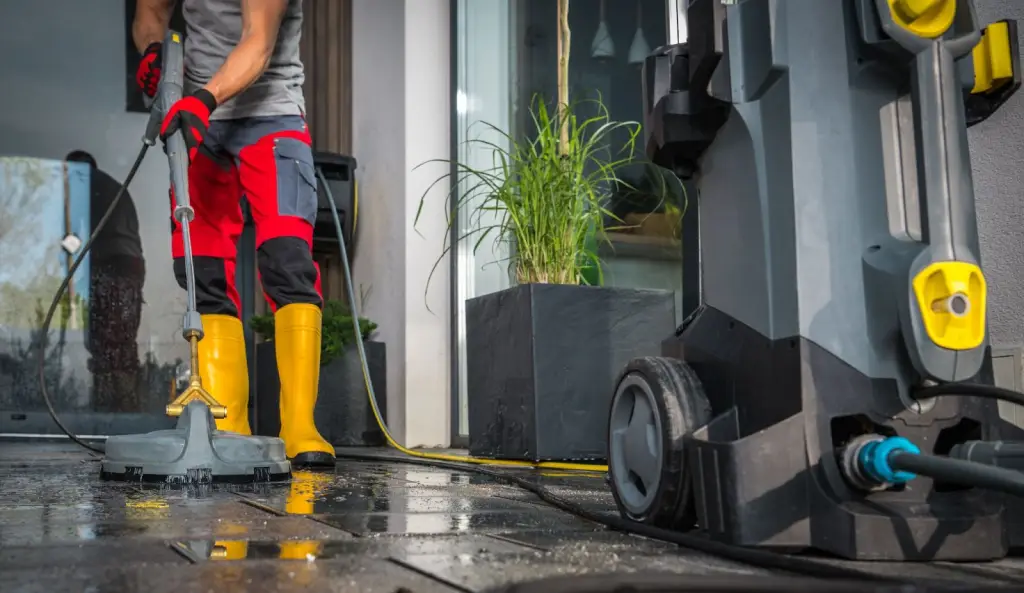
Water removal and surface cleaning of patio concrete bricks using a high-pressure vacuum and washer.
Water Extraction

Water Removal Trends 2025: New Tech That Cuts Damage Time

Future Trends in Water Removal and Restoration Services Water damage is evolving, and so are the methods to stop it. Property owners today face more complex risks from flooding, burst pipes, and hidden leaks. As weather patterns shift and buildings age, traditional cleanup approaches often fall short. As outlined in the IICRC S500 Standard for Professional Water Damage Restoration, modern water removal depends on moisture mapping and humidity control rather than manual drying alone. New technology, more innovative materials, and rising expectations are rewriting how water removal and restoration services are delivered. Why Water Removal Trends Are Worth Following Keeping up with water removal trends helps property owners avoid costly setbacks and slow recoveries. As restoration methods evolve, outdated approaches can expose buildings to mold, structural decay, or extended downtime. New tools, materials, and standards are being adopted faster than ever, especially in high-risk zones. Understanding these changes enables owners to select more effective restoration contractors, make informed upgrades, and respond promptly when damage occurs. Restoration & Remediation Magazine often reports on emerging restoration technologies like smart pumps and desiccant dryers. Emerging Shifts in Water Removal Services Water damage today isn’t handled the same way it was five years ago. New threats, more innovative tools, and rising expectations force the industry to evolve. What was a slow, manual process is now fast, data-driven, and tech-supported. Understanding these shifts can help property owners make quicker decisions, reduce loss, and stay ahead of the next disaster. Smart Technology is Redefining Water Removal Speed Smart technology helps restoration crews detect, assess, and remove water faster. It reduces manual labor and improves accuracy across each phase of the job. With faster alerts and real-time insights, crews don’t waste time guessing. It creates more rapid response times and better outcomes for property owners. IoT Sensors Catch Leaks Before They Cause Damage Internet of Things (IoT) sensors now monitor real-time moisture levels. These small devices send alerts when they detect water where it shouldn’t be. Placed near pipes, appliances, or basement walls, they help prevent flooding before it spreads. This early detection reduces structural damage and cuts restoration costs. The data also lets contractors know precisely where to start the removal process. It’s a modern way to turn a potential disaster into a quick fix. AI Tools Predict Damage and Speed Up Cleanup Artificial intelligence can recognize patterns in thousands of water loss cases. These tools forecast how water will spread and which materials are most at risk. They help restoration teams decide where to focus efforts first. Some systems even recommend drying schedules and equipment placement. It minimizes wasted energy and prevents mold growth. AI also supports better reporting for insurers and clients. Wireless Equipment Simplifies Water Extraction Control Innovative extraction tools can now be controlled remotely using mobile apps. Crews adjust power levels, check tank capacity, or move units without pausing the job. This flexibility enhances efficiency and facilitates the management of large or multi-unit properties. Wireless tools also improve safety by limiting trips through slippery spaces. As systems improve, expect more precision and less downtime. For property owners, that means faster cleanup and fewer disruptions. Green Restoration is Shaping Cleaner Standards Sustainable restoration is more than a trend; it’s becoming an expectation. Many restoration companies now use low-impact tools, biodegradable agents, and power-saving techniques. These methods align with green building codes and reduce environmental harm. They also appeal to property owners looking to reduce their carbon footprint. Energy-Efficient Equipment Cuts Fuel Use and Emissions Modern water extractors use energy-efficient motors and quieter systems. They work longer without overheating and reduce air and noise pollution. These upgrades help meet strict environmental regulations. They’re invaluable in schools, hospitals, and homes with vulnerable residents. Lower emissions also improve indoor air quality during the drying phase. For this reason, more crews are switching to electric or battery-powered tools. Desiccant Drying Reduces Energy Waste Unlike heat-based dryers, desiccant units absorb moisture from the air. They’re more efficient in cold or humid conditions and safer for sensitive materials. Desiccants don’t rely on open heat; they use less energy and reduce fire risk. They’re ideal for properties with hardwood floors, antiques, or electronics. Plus, they dry faster than conventional blowers in certain climates. Their low noise profile is also ideal for 24/7 residential use. Water-Resistant Materials Lower Future Restoration Needs Builders and restoration pros are now turning to materials that can withstand water intrusion. Treated drywall, waterproof flooring, and moisture-sealed subfloors are standard upgrades. These materials help reduce mold growth and long-term repairs. They also meet new building codes that focus on resilience and longevity. By using them during repairs, property owners get added peace of mind. It’s a wise investment that saves on future claims. Automation is Speeding Up Water Restoration Automation allows water removal teams to act faster and with more precision. Machines now handle extraction, detection, and monitoring with minimal oversight. That leads to consistent results, reduced labor needs, and safer environments. Owners benefit from fewer delays and faster reopenings. Smart Pumps React Immediately to Standing Water These automated systems activate when sensors detect rising water. They start pumping water out without manual input, which is perfect for unoccupied buildings or vacant units where water can sit for hours. Automatic shutoff features also prevent power overloads. When crews arrive, much of the water may already have been removed, reducing long-term property damage. Drones Are Assisting With Damage Inspections Restoration companies now use drones to scan rooftops, gutters, and flood zones. These high-resolution tools help document damage and plan the cleanup. They’re instrumental after storms or when access is limited. Drones save time and reduce the risk of injury for inspectors. Footage can be shared with insurance adjusters instantly, speeding up approvals and restoration timelines. Robots Are Taking on Hazardous Crawl Spaces Small, camera-equipped robots now enter crawl spaces, under flooring, and inside HVAC systems. These machines gather moisture readings and look for structural damage. Human crews avoid risky, confined areas until it’s safe to work. This

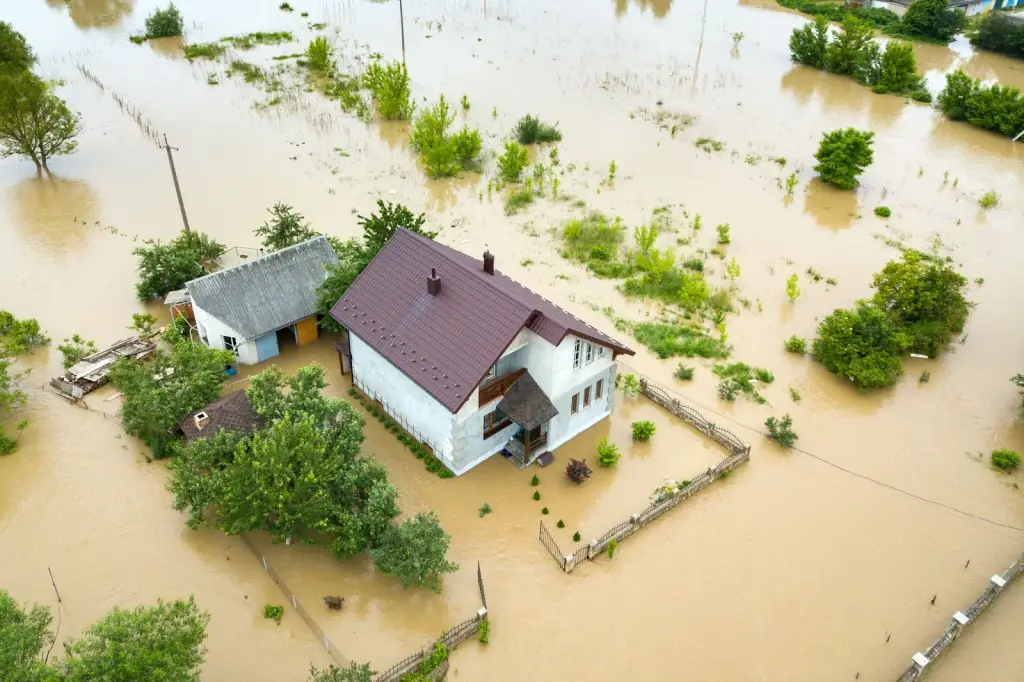
Aerial view of a flooded home with muddy water, highlighting the need for water mitigation services.
Water Extraction

What Does a Water Mitigation Company Do?

What Does a Water Mitigation Company Do? Water damage doesn’t just ruin floors or walls; it disrupts lives. A single burst pipe or flooded basement can make property owners panic. You’re not looking for a mop in that moment—you need a fast, professional response. That’s where a water mitigation company comes in, stopping damage before it worsens and setting the stage for recovery. What is a Water Mitigation Company’s Role? A water mitigation company protects property after water damage starts. These professionals assess the situation, remove excess water, dry the structure, and prevent further issues like mold or rot. Their primary focus isn’t on rebuilding but on stopping the damage from worsening. Restoration comes later; mitigation is the first and most urgent step. The Difference Between Mitigation and Restoration Mitigation limits damage, while restoration repairs what’s already broken. For example, a mitigation crew might remove wet drywall to stop mold, but won’t install new drywall because that’s the restorer’s job. Water mitigation happens immediately after the emergency. It involves quick, strategic action to stabilize the site. Skipping or delaying this step can turn a simple fix into an expensive rebuild. That’s why mitigation always comes first. Common Water Disasters That Need Mitigation Mitigation services apply to a wide range of emergencies. Broken supply lines, sewage backups, storm flooding, and HVAC leaks are all reasons to call in help. Even a minor leak behind a wall can lead to bigger problems if left untreated. Water damage often spreads invisibly, under floors or inside ceilings. A professional water mitigation company uses moisture-detecting tools to find damage you can’t see. Quick action protects your property and your health. Why Fast Response Makes the Difference Time works against you after a water incident. Drywall absorbs water in minutes, and mold can begin forming within 24 hours. Wet wood warps and weakens if not dried properly. The longer the delay, the more widespread and expensive the damage becomes. A local mitigation company that arrives fast can make a measurable difference in cost, cleanup time, and safety, because every minute saved matters. Water Mitigation Company Services Explained Water mitigation companies offer structured services designed to contain and control damage. They don’t just show up with fans but with specialized tools, trained crews, and a straightforward process. The goal is always to reduce damage and prepare the property for safe restoration. Each service protects the building, air quality, and contents. Inspection and Moisture Mapping The process starts with a thorough inspection. Technicians identify where the water has gone, not just where it’s visible. They use infrared cameras and hygrometers to track hidden moisture inside walls and floors. Moisture mapping helps decide what materials need removal and where to focus drying efforts. It creates a customized mitigation plan for your specific property. Without this step, hidden moisture may lead to mold or rot later. Water Removal With Extraction Tools Once the plan is set, the next step is to remove any standing water. Mitigation companies use high-powered pumps and extractors to pull water out of carpets, subfloors, and hard surfaces. Extraction reduces drying time and prevents water from soaking deeper into materials. Technicians work methodically to cover every room and surface affected. In multi-level buildings, they also check crawlspaces, ceilings, and attics. Removing water quickly is critical to stopping additional damage. Drying, Dehumidifying, and Air Movement After water is removed, the drying process begins. Industrial air movers push air across surfaces to speed evaporation. Large dehumidifiers then pull that moisture from the air to prevent mold. Teams monitor temperature, humidity, and moisture levels throughout the process. These readings guide adjustments to equipment placement and drying timelines. If a structure isn’t dried correctly, it risks long-term structural weakness and contamination. Mold Prevention and Antimicrobial Treatments Where there’s moisture, mold isn’t far behind. A good mitigation company doesn’t wait for visible mold to appear; they take steps to prevent it. They apply antimicrobial agents to high-risk surfaces and use HEPA air scrubbers to capture airborne spores. If mold has already formed, technicians isolate the area to prevent it from spreading. They then clean, treat, or remove contaminated materials. It safeguards both the structure and indoor air quality. Damaged Material Removal and Site Cleanup Some materials, like drywall, carpeting, or insulation, can’t be saved once they’re soaked. Mitigation teams safely remove and dispose of them according to industry and local guidelines. They also clean the area with disinfectants to eliminate bacteria and unpleasant odors. Odor control is significant after gray or black water exposure. Once everything is dry and sanitized, they prepare the site for restoration. Clean handoff between mitigation and rebuild teams avoids costly delays. Flood Damage Cleanup After Rising Water Events Flood damage cleanup is one of the most urgent services these companies provide. Floodwater, especially from outside sources, often contains bacteria, debris, and other contaminants. Mitigation crews extract water quickly, remove damaged materials, and disinfect all surfaces. They also assess moisture in walls, subfloors, and insulation to prevent rot or mold. Since floodwater can spread far beyond where it’s visible, every inch of the property is inspected. Proper cleanup prevents secondary issues and helps support insurance claims. Storm Damage Cleanup and Structural Safety Storm damage cleanup often involves both water removal and temporary repairs. Heavy rain, wind-driven water, or broken windows can flood a home in minutes. Mitigation teams begin by stopping incoming water, covering openings, and clearing debris. Once the structure is secure, they extract water, dry, and clean contaminated surfaces. Electrical hazards and structural issues are also addressed during this phase. The goal is to stabilize the home and make it safe for repair work to begin. How a Water Mitigation Company Protects Property Mitigation companies don’t just clean; they protect everything valuable about your home, including structure, air quality, and personal belongings. Their work reduces repair costs, limits future issues, and preserves what matters most. Prevention is their priority at every step. Structural Drying and Risk Reduction Wet studs, beams, and subfloors lose strength

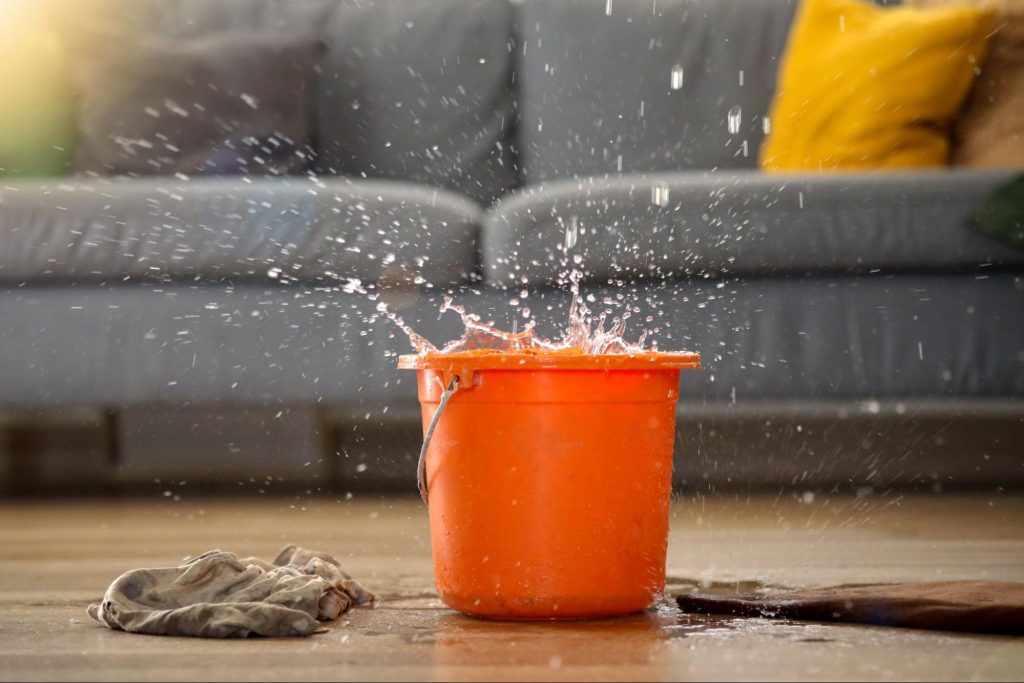
Water dripping from the ceiling into an orange bucket on the floor of a living room in front of a couch.
Water Extraction

How Long Water Extraction Takes (and How to Speed It Up)

How Long Does Water Extraction Take? When water damage strikes—whether due to a burst pipe, flooding, or an appliance malfunction—one of the first and most critical steps is water extraction. But how long does water extraction take? The answer depends on a wide range of factors, including the source of the water, the size of the affected area, the materials involved, and how quickly you respond. This blog will walk you through everything you need to know about water extraction timelines so you can take informed, effective action when it matters most. According to the Institute of Inspection, Cleaning and Restoration Certification (IICRC), the duration of water extraction depends on the water category and the materials affected. Water Extraction Timeframes Vary Based on the Extent of Damage The size of the affected area plays a significant role in how long water extraction will take. For more minor residential incidents—like a washing machine overflow in a laundry room—water extraction may take just a few hours. However, in cases of whole-house flooding or commercial property water damage, the process could extend over several days. The deeper and more widespread the water intrusion, the longer the extraction process will take. In many cases, visible water may be removed quickly, but hidden moisture in flooring, subflooring, or behind walls can extend the total remediation timeline. Professionals use moisture meters and thermal imaging to determine whether extraction is complete or if further drying and dehumidification is required. Water Extraction Duration Depends on the Type of Water Involved Not all water damage is equal. The type of water—whether clean, gray, or black—affects not only the method used for extraction but also how long the process may take. Clean Water Extraction is the Fastest Clean water from a broken supply line or faucet is the easiest to manage. The risk of contamination is low, so once the source is stopped, extraction can begin immediately. If discovered quickly, the entire process may take only a few hours. Gray Water Requires Additional Time Gray water, which comes from washing machines, dishwashers, or bathroom sinks, contains mild contaminants. Extraction here requires extra precaution, and drying efforts must ensure no residue remains, adding several hours to a full day to the process. Black Water Requires the Most Time and Caution Black water is the most hazardous and includes sewage backups or floodwater from rivers or storms. The extraction and sanitization process is more involved and may take multiple days depending on the volume and contamination level. Water Extraction Techniques Influence How Long the Process Takes Not all water extraction methods are created equal. Professionals may use various equipment and techniques depending on the scenario. Each method affects how long the water extraction process takes: Wet Vacuums and Portable Extractors These are typically used for small residential jobs. If the affected area is less than 500 square feet, a team with high-powered portable extractors can often complete the job  within several hours. Truck-Mounted Extraction Units These powerful machines are used for larger residential or commercial properties. Truck-mounted systems can remove large volumes of water more efficiently, potentially reducing overall extraction time. Submersible Pumps for Standing Water If there is a large volume of standing water, professionals will begin with submersible pumps. This step alone can take several hours or longer, especially if drainage is slow or the area is difficult to access. Water Extraction Time Increases With Delayed Response Time is critical when it comes to water extraction. The longer water sits, the more damage it causes, and the more time-consuming the extraction process becomes. A delay of even 24 hours can mean the difference between a simple drying job and major demolition work. Mold begins to grow within 24–48 hours, increasing the complexity and duration of the job. Materials like drywall, carpet padding, and wood floors absorb water rapidly and may require removal if not addressed immediately. Water Extraction in Carpeted Areas Takes Longer Than Hard Surfaces Carpets and rugs act like sponges and can hold large volumes of water. Extraction in these areas is more complicated than in tile or concrete-floored rooms. Layered Drying is Required for Carpets When water extraction is done in a carpeted room, professionals must remove water from the surface, the padding underneath, and sometimes even the subfloor. If the padding is saturated, it may need to be removed and replaced entirely, extending the timeline. Hardwood Floors Also Add Time Wood flooring is susceptible to warping and cupping. Extracting water trapped beneath the planks and drying out the subfloor can take several days, often requiring specialized drying mats and dehumidifiers. Water Extraction for Commercial Properties May Take Several Days Larger commercial properties often require more extensive water extraction efforts. The presence of multiple rooms, hallways, office equipment, or warehouse inventory complicates the process. Even with large-capacity equipment, commercial extraction may take two to five days, followed by a longer drying and restoration phase. Business owners must also account for potential operational disruptions and coordinate with insurance providers during this time. Water Extraction is Only the First Step in the Full Restoration Timeline Understanding that water extraction is just the beginning is crucial. While removing water may only take hours or a couple of days, the drying, dehumidifying, sanitizing, and rebuilding stages significantly extend the full timeline. Drying and Dehumidifying Can Take Days Even after water has been extracted, moisture lingers in materials and the air. Industrial air movers and dehumidifiers are used for several days to bring moisture levels down to acceptable standards. Mold Prevention Requires Extra Time If mold is discovered or suspected, remediation can slow the restoration process. In such cases, water extraction teams may partner with mold specialists to contain, remove, and prevent regrowth. Water Extraction Speed Depends on How Quickly Professionals Are Called The sooner you call in a professional, the faster and more efficient your water extraction process will be. Certified water damage restoration technicians use advanced tools to: Rapidly Identify Hidden Moisture Professional water extraction teams use advanced moisture

Scroll to Top