Water Damage Restoration

Water damage restoration process in a commercial property by Express Restoration.
Water Damage Restoration

The Different Categories and Classes of Water Damage Explained

The Different Categories and Classes of Water Damage Explained When a leak, burst pipe, or storm intrudes on your home or business, it’s tempting to judge the mess by how bad it looks. Water damage restoration pros don’t. They classify water damage by its category (how contaminated the water is) and its class (how far moisture has spread and how hard it will be to dry). Understanding both helps you make safer choices, protect your health, and speed a successful claim and restoration. This guide translates the technical language into plain English so you can respond with confidence. Why Water Damage is Classified in the First Place Classifying water damage creates a shared language for health risk, scope, and cost. The category tells you what might be in the water and how aggressively to sanitize. Class reveals how deeply the water has penetrated materials and how much equipment, time, and energy the drying will require. Together, they inform decisions about what can be saved, what must be removed, and which safety measures are non-negotiable. Insurers, contractors, and industrial hygienists all rely on this framework to keep projects consistent and defensible. Category 1 Water Damage — What “Clean” Really Means Category 1 water damage involves water that starts sanitary, such as from a supply line or a recently overflowing sink. Left unchecked, even clean water soaks into drywall, flooring, and framing, and can transition to higher-risk categories as time and temperature rise. Rapid extraction and controlled drying reduce structural swelling, paint damage, and the chance of microbial growth, which preserves more of your finishes and shortens downtime. Common Sources You’ll See Supply line leaks, appliance malfunctions, and isolated valve failures are frequent triggers. Rain that enters without passing through soils or contaminants can also begin as this category. Risks if You Delay Clean water becomes a hygiene problem as it stagnates and comes into contact with dust, adhesives, and contents. Waiting turns an uncomplicated cleanup into a more invasive remediation. Category 2 Water Damage and its Health Implications Category 2 water damage contains significant contamination that could cause discomfort or illness on contact. It often includes detergents, food residues, or chemicals from dishwashers, aquariums, or washing machines. Response adds targeted antimicrobial steps, controlled demolition of unsalvageable porous items, and stricter containment to prevent cross-contamination in clean rooms. Personal protective equipment improves safety during handling and disposal. Where it Often Comes from Overflows from washing machines, dishwasher backups, and sump failures frequently introduce soils and nutrients that promote microbial growth. Some roof leaks can pick up contaminants from dust and insulation. Cleanup Considerations Porous materials like carpet cushion and some fiberboard are usually removed, then the remaining structure is cleaned and dried. Air filtration and negative pressure help keep adjacent spaces clean. Category 3 Water Damage Requires Strict Containment Category 3 water damage involves grossly contaminated water that may carry pathogens or hazardous chemicals. Examples include sewage, flooding from rivers or streams, and water that has passed through animal areas. Work practices emphasize containment, disinfection, removal of affected porous materials, and air management to protect occupants and workers. Clearance may involve post-remediation verification by a third party to confirm hygiene targets. Typical Triggers to Expect Sewer backups, storm surges, and outdoor flooding can push contaminated water indoors.  Long-standing leaks can also degrade to this category as microbial colonies expand. Safety and PPE Protocols Gloves, respirators, and splash protection reduce exposure during demolition and cleanup. Controlled waste handling and disposal prevent reintroducing contaminants into the building. Classes of Water Damage Explain how Far Moisture Has Spread While categories describe contamination, classes quantify the evaporation challenge. The more materials that are wet—and the less permeable they are—the harder it is to remove bound moisture. Class is influenced by how long water was present, how much area is affected, and which surfaces are saturated. Correctly identifying class ensures the right combination of air movers, dehumidifiers, heat, and ventilation, which saves energy and minimizes unnecessary demolition. Class 1 Water Damage — Minimal Absorption and Faster Drying Class 1 water damage affects a small area with limited moisture absorption. Non-porous surfaces or low-permeance finishes kept bulk water on the surface long enough to extract quickly. With fast action, many finishes can be saved, and the space can return to service with limited interruption. What It Looks Like on Site Small puddles on tile or sealed concrete and a confined wet corner are common. Walls may show little or no wicking above baseboards. Typical Drying Approach Prompt extraction, targeted air movement, and modest dehumidification often restore normal moisture levels quickly. Monitoring confirms that hidden cavities remain dry. Class 2 Water Damage — Porous Materials and Higher Evaporation Class 2 water damage involves a larger footprint and significant moisture in porous materials like carpet, pad, and gypsum board. You’ll see wicking up walls and broader areas of damp subfloor. The evaporation load is higher, so equipment counts and runtime increase to keep conditions in the safe, efficient drying window. Visible Clues You Can Spot Baseboards may swell or detach, carpets may feel soggy, and moisture meters may show elevated readings several feet from the source. Light staining can appear around fasteners. Equipment You’ll Need More Of Expect additional air movers, a higher-capacity dehumidifier, and more frequent checks. Strategic containment can shrink the drying chamber and shorten the schedule. Class 3 Water Damage — Overhead Intrusions and Wicking Class 3 water damage means the highest evaporation load across ceilings, insulation, walls, and flooring. Sprinkler discharges or overhead pipe breaks can wet multiple surfaces simultaneously. Drying requires coordination to avoid pushing moisture from one layer into another and may include selective removal to access saturated insulation. Hallmark Signs in The Field Ceiling sag, wet insulation, and widespread wall dampness are typical. You might see drip lines at light fixtures and staining across multiple stories. Why Drying is Often Slower Multiple wet planes complicate airflow and dehumidification. Opening cavities and balancing heat, airflow, and vapor pressure become critical to success. Class 4 Water

A close-up of home insurance papers with money and house keys.
Water Damage Restoration

Water Damage Repairs: How to File Insurance Claims the Right Way

How Insurance Works With Water Damage Repairs Water damage repairs are often eligible under homeowners’ insurance, but only when the damage is sudden and accidental. That means water from a burst pipe or faulty appliance may qualify, while slow leaks, drainage backups, or neglect-related problems usually do not. Each claim depends on the source of the water, how long it has been present, and whether you’ve taken steps to address the problem, as outlined by the Insurance Information Institute for standard homeowners’ policies. Knowing precisely what your policy states helps you avoid unexpected out-of-pocket expenses. Water Damage Repairs Types Covered by Insurance Insurance usually covers water damage that starts from inside the home. It includes plumbing failures, appliance malfunctions, or sudden roof damage during a storm. For example, if a frozen pipe bursts and floods your hallway, your policy likely covers the repairs. However, damage from long-term leaks or poor maintenance is often denied. Additionally, flooding caused by heavy rain, rising rivers, or sewage backups requires a separate flood or sewer backup policy. Clarify the exclusions before water finds its way into your property. Covered vs. Non-Covered Events Covered water damage must be accidental and unexpected. A typical example is water damage from a washing machine overflow or an air conditioning drain pan failure. On the other hand, long-term leaks under sinks or behind walls are usually considered homeowner negligence. Insurers might inspect the area and deny the claim if they spot mold, rust, or corrosion signs. Roof leaks are often covered if caused by hail or a fallen tree, but not if the roof is old or improperly maintained, according to FEMA’s flood and insurance guidance. These distinctions matter when filing your claim. Why Timing Impacts Coverage Decisions Delays can turn a valid claim into a rejected one. Insurance companies expect homeowners to report damage promptly and take steps to prevent further loss. Waiting days or weeks to address the issue can raise questions about whether the damage has worsened due to inaction. Mold, for example, typically forms within 48 hours, and most policies exclude mold-related costs unless proven unavoidable. Fast reporting, mitigation, and documentation support your chances of approval. Quick action demonstrates your responsibility as a policyholder. Understanding the Water Damage Repairs Claims Process Filing a claim for water damage repairs involves multiple steps, and missing even one can slow everything down. Insurance companies require proper documentation, accurate estimates, and timely communication. Knowing how this process works helps you protect your payout and avoid delays. It also ensures that repairs are completed faster, preventing additional damage to your home. Steps to Take Immediately After Water Damage Start by stopping the water source if you can do so safely. Next, take clear photos and videos of all affected areas, including flooring, walls, and personal items. Contact your insurance company immediately to initiate a claim, and then schedule professional water mitigation services if necessary. Avoid throwing anything out until an adjuster sees the damage. Keep receipts for cleanup services and equipment rentals, like fans or dehumidifiers. This paper trail becomes part of your claim file. What the Insurance Adjuster Looks For The insurance adjuster inspects the damage to decide what’s covered and how much the company should pay. They assess where the water came from, how far it spread, and whether materials are salvageable. Adjusters rely on your photos, mitigation records, and contractor estimates to back up your case. Be present during the inspection to explain the timeline of events. They may also use software to calculate repair costs based on market rates. Be prepared to negotiate if their estimate seems low. How Water Damage Repair Estimates Are Calculated Contractors and insurance companies use different methods to estimate repair costs. Contractors typically assess labor, materials, and the full scope of work needed for proper restoration. Insurance companies often rely on pricing software and may try to lower costs with substitute materials or generic replacements. It’s smart to get two or three professional estimates to compare with what your insurer offers. If there’s a significant gap, you can submit a written rebuttal. Knowing the value of the repairs keeps the process transparent. Common Insurance Issues With Water Damage Repairs Insurance for water damage repairs doesn’t always run smoothly. Property owners often face delays, denied claims, or frustrating back-and-forth with insurers. These issues typically arise from unclear policies, inadequate documentation, or disputes over costs. Understanding common problems helps you avoid the stress and keep repairs on track. Why Claims Get Denied or Delayed Claims often get denied when insurance companies argue the damage was preventable. For example, ignoring a slow drip under the sink for weeks may be seen as neglect. Insurers may delay approval without a clear record of when the damage occurred or how you responded. Some even request third-party inspections or contractor reports to verify your story. Additionally, the claim may get stuck in review if multiple parties are involved, such as a tenant or vendor. Keep communication and records clear from the start. Actual Cash Value vs. Replacement Cost Your insurance payout depends on how your policy values items. You’ll receive the item’s value minus depreciation if you have actual cash value (ACV) coverage. With replacement cost coverage, you get the full cost of replacing it with a new, similar item. For example, if your ten-year-old carpet is damaged, ACV will pay much less than it costs to install a new carpet. Knowing which coverage you have affects how you budget for repairs. Ask your agent if your policy can be upgraded to replacement cost. How Deductibles Impact Your Claim Your deductible is the amount you pay before insurance starts helping. If your deductible is $2,500 and the repair cost is $4,000, you’re only reimbursed $1,500. Higher deductibles may lower your monthly premium, but they also reduce the value of small claims. Some policies have different deductibles for water damage, especially if you live in a flood-prone area. It’s essential to know your financial exposure before you

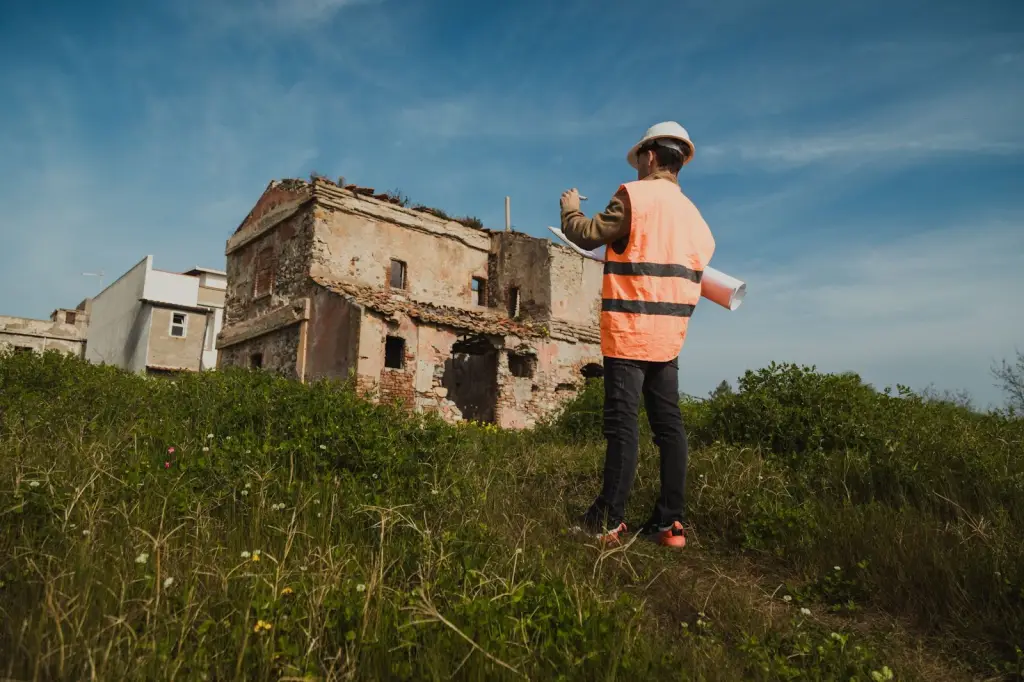
An inspector takes notes on a restoration project outdoors.
Water Damage Restoration

Why Professional Assessments Are Essential in Home Restoration

Why Professional Assessments Are Essential in Home Restoration When disaster strikes or years of wear finally surface, restoring a home becomes more than a cosmetic project. Property owners face layers of decisions, from repairing damage to preventing it from happening again. The pressure to act fast can cloud judgment, leading to rushed choices or missed issues. Getting the complete picture early gives homeowners clarity, control, and direction. That’s where the expertise of a professional assessment truly changes everything. Why Assessments Matter in Home Restoration Professional assessments are the cornerstone of any home restoration project. They provide the clarity needed to move forward without wasting time or resources. Without them, property owners often rely on guesswork or visual cues, which rarely tell the whole story. Accurate evaluations reduce confusion and create a reliable foundation for every subsequent decision. Understanding the Scope of Damage A home can look fine on the outside but be falling apart inside. Cracks in the walls may hint at foundation issues, or water stains could signal widespread mold. Only professionals know where and how to look beyond the surface. They use tools, knowledge, and experience to detect structural issues, moisture problems, and safety hazards that go unnoticed by the untrained eye. Restoration work often covers issues without this level of scrutiny, instead of solving them. Prioritizing Repairs With Precision Professional assessments help determine what must be fixed now and what can wait. This sequencing prevents wasteful spending on low-priority areas. For example, addressing cosmetic drywall damage before fixing a roof leak leads to repeat repairs. With a prioritized plan, every dollar spent directly contributes to long-term recovery. That clarity saves not just money but also time and stress. Estimating Costs With Confidence One of the most stressful parts of home restoration is the cost. Without a proper assessment, budgeting becomes a guessing game. Professionals offer detailed reports that break down repair needs and likely expenses. These reports allow homeowners to plan, seek financing, or negotiate with insurance effectively. No one wants surprises mid-project, but an expert assessment can avoid them entirely. Why Assessments Come First in Home Restoration Restoring a damaged home without a professional assessment is like building on uncertain ground. What looks minor often hides deeper structural or safety risks. Homeowners need more than visual cues; they need clear, expert-driven insight. The following are the reasons professional evaluations should be your first step before any repair begins. Expert Insight Helps Protect Property Value Restoration should do more than patch up damage. It should protect, if not improve, your home’s long-term worth. A proper assessment gives homeowners the strategy to make decisions that strengthen property value. It also guards against the hidden consequences of quick fixes. Ensures Structural Integrity When structural issues go unchecked, property value takes a direct hit. Professional assessments focus first on the home’s foundation, walls, beams, and roof. Even a small crack or shift in weight-bearing walls can compromise the entire structure. Restoring without this insight could put the whole project at risk. These evaluations ensure the work being done builds strength, not just appearances. Meets Code and Compliance Standards Restoration must follow building codes, zoning rules, and permit requirements. Professionals stay updated on local regulations and ensure the home meets all legal standards. This step prevents fines, delays, or forced rework down the line. Moreover, if the property is ever sold, documentation of compliant restoration improves buyer trust. It’s not just about passing inspections but about restoring credibility and safety. Prevents Future Damage Damage rarely happens in isolation. A leak today could grow into mold tomorrow. Professionals trace damage to its root cause, helping homeowners fix it at the source. That means sealing vulnerabilities, improving drainage, or upgrading outdated materials. Long-term protection only works when assessments look ahead, not just at what’s already broken. Reinforces Insurance Coverage and Resale Value A detailed third-party assessment report can become valuable during insurance negotiations or property sales. Buyers and insurers trust verified documentation over verbal claims. This added layer of credibility helps homeowners prove the value of their repairs and reassures future buyers that no corners were cut. Assessments pay off even after the dust settles. Professional Evaluations Enhance Safety Restoration isn’t only about aesthetics or resale; safety is often the core concern. Professional assessments help prevent accidents, health risks, and future emergencies. They bring hidden dangers into focus so they can be addressed before causing harm. Safety must be built into the process, not tacked on afterward. Detects Hazardous Materials Older homes may contain lead paint, asbestos insulation, or other harmful substances. These are dangerous to handle without the right tools and certifications. Professionals identify these materials and arrange for safe removal. DIY testing can release toxins into the air, putting everyone at risk. Trusting certified assessors is not just smart; it’s necessary for health. Evaluates Electrical and Plumbing Systems Outdated wiring or hidden leaks can turn restoration into a fire hazard or water disaster. These systems must be inspected before replacing walls, floors, or ceilings. Professionals test loads, check breakers, and evaluate pipe pressure. This procedure catches risks like overheated wires or pipe corrosion. Restoration without this step often leads to tearing things apart twice. Analyzes Fire and Water Damage Damage after a fire or flood can be deceptive. Walls may look intact but be warped inside, or insulation could be soaking wet while the drywall appears dry. Trained assessors know how to evaluate the depth of damage, not just the surface. Their findings dictate which materials must be removed and which can be salvaged. Skipping this step leads to rot, mold, or structural weakening. Secures Entry Points and Accessibility Safety also involves how people enter, exit, and move through the home. Restoration assessments evaluate steps, railings, locks, lighting, and pathways. This step is essential for families with children or older adults. Upgrades to safety features are best made during restoration, not afterward. Assessments ensure that those improvements aren’t overlooked. Accurate Evaluations Cut Costs and Delays Home restoration is expensive even

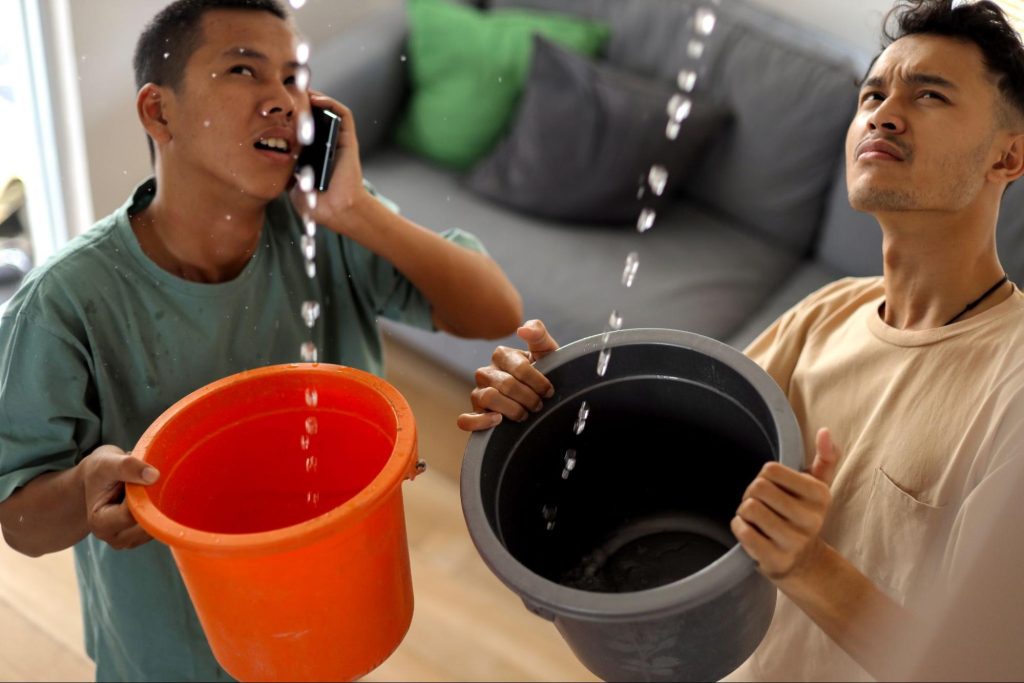
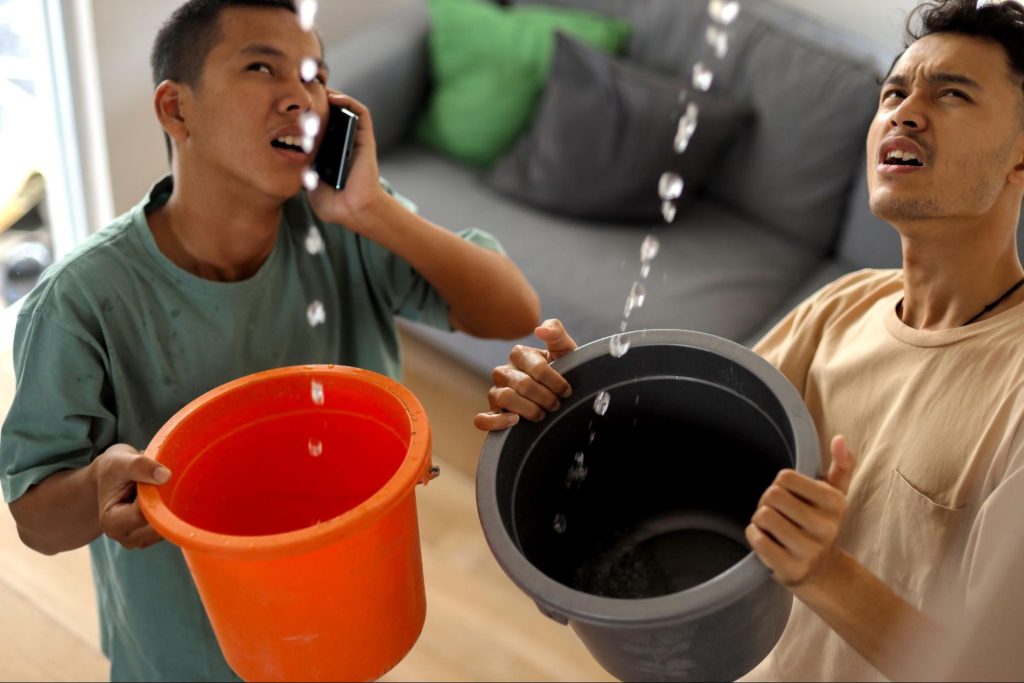
Two men catch water in buckets; one calls Express Restoration for emergency water damage help.
Water Damage Restoration

Why Hiring a Professional Water Damage Company Is Worth It

Why Hiring a Professional Water Damage Company Is Worth It Water damage rarely happens on a convenient schedule. Flooding, burst pipes, or roof leaks can wreak havoc fast, whether it’s the middle of the night or during a holiday weekend. A professional water damage company understands the urgency of these emergencies. That’s why the best companies offer 24/7 rapid response services. The quicker the water is removed, and the drying process begins, the better the chances of minimizing long-term structural damage and preventing costly repairs are. Professionals know how to act quickly and precisely—saving homeowners precious time and money during a disaster. Equipment Behind Every Water Damage Company’s Success A professional water damage company brings industrial-grade equipment far beyond what most homeowners have. These advanced technologies are essential for properly extracting water, drying affected areas, and detecting hidden moisture. Here are the key tools a professional team will typically use:  High-Capacity Extractors High-capacity extractors are used to remove large volumes of standing water quickly and efficiently, minimizing the risk of long-term structural damage. Their speed and power are critical for stopping further saturation of materials and limiting the overall impact of the flooding. Commercial-Grade Dehumidifiers Industrial-strength dehumidifiers eliminate lingering moisture from walls, floors, and the air itself. By controlling humidity and speeding up the drying process, we help prevent mold growth and preserve your home’s structural integrity. Infrared Moisture Meters To ensure no moisture goes undetected, we use infrared meters that pinpoint hidden water behind walls, beneath flooring, and inside ceilings. This precise detection allows us to target affected areas and prevent long-term damage that could lead to costly repairs.  Industrial Air Movers Our industrial air movers are essential for speeding up the drying process and reducing overall downtime. By promoting rapid airflow across wet surfaces, we restore your home faster and help prevent further moisture-related damage.  The Value of a Water Damage Company’s Inspection Process Before restoration begins, a water damage company performs a comprehensive damage assessment. This assessment involves identifying all affected materials, determining the water category (clean, gray, or black, also known as Category 3), and mapping out moisture intrusion using specialized tools. This inspection isn’t just surface-level—it’s detailed and meticulous. Accurate assessments guide the restoration plan and ensure no underlying issues are missed. With a clear understanding of what’s damaged, professionals can develop a step-by-step strategy to restore your property safely and efficiently. Stay Safe With the Help of a Professional Water Damage Company Water damage isn’t always just an inconvenience—it can be dangerous. Standing water may contain bacteria, sewage, or harmful chemicals, depending on the source. A professional water damage company is trained to handle these hazards safely and effectively. They use personal protective equipment (PPE), proper ventilation, and disinfection techniques to protect you, your family, and their team. Attempting to clean contaminated water without adequate training can put your health at serious risk. Protect Your Budget With a Water Damage Company’s Expertise It may seem counterintuitive, but hiring a water damage company can save you money. Their quick response, accurate assessment, and thorough drying processes can prevent further damage, such as mold infestations, wood rot, or electrical hazards. Left untreated, minor issues can snowball into major repairs. Professionals stop that chain reaction before it starts, helping you avoid unexpected costs. Investing in experts upfront is often much cheaper than dealing with the aftermath of a DIY mistake. Restore Your Home Quickly With Help From a Water Damage Company The goal of any reputable water damage company is not just to dry your space—it’s to return your home or business to the way it was before the damage. This restoration means replacing drywall, restoring flooring, repainting walls, and rebuilding sections of your structure if needed. The best companies offer complete restoration services, so you don’t have to juggle multiple contractors. By the end of the process, your space will look—and feel—like the damage never happened. Receive Peace of Mind With a Water Damage Company  Water damage can be devastating, not just physically but emotionally. Watching your home or belongings soaked, stained, or ruined is traumatic. A compassionate, professional water damage company understands the emotional weight of these situations. Their calm, confident presence and streamlined process give you peace of mind. You’ll feel better knowing trained experts are working to fix the problem quickly and thoroughly, allowing you to focus on family, work, or just recovering from the shock. Simplify the Insurance Process With a Water Damage Company  Filing an insurance claim after water damage can feel overwhelming, especially when dealing with the stress of property loss. A professional water damage company works directly with your insurer to simplify the process and ensure you receive the compensation you’re entitled to. Here’s how experts support you through every step of your insurance claim: Thorough Documentation Professionals take detailed photographs, write comprehensive condition reports, and log moisture levels to create a clear and accurate damage record. This thorough documentation supports your insurance claim and avoids unnecessary disputes.  Direct Communication With Adjusters The water damage company often communicates directly with your insurance adjuster, helping to streamline paperwork and avoid delays. This coordination ensures that the restoration timeline aligns with claim approvals and keeps you informed throughout the process. Accurate Damage Estimates Experienced restoration experts provide precise, itemized estimates that meet insurance company standards and expectations. Precise estimates reduce the chances of claim rejections and help secure timely repair funding. Claim Advocacy A reputable water damage company advocates on your behalf to ensure the claim reflects your loss’s true extent. Their involvement can help you avoid being underpaid or denied coverage for necessary repairs. How an Experienced Water Damage Company Makes All the Difference Water restoration is a complex process that blends science, engineering, and environmental safety. A professional water damage company brings years of hands-on experience to the table, having seen everything from minor leaks to catastrophic floods. That depth of knowledge allows them to anticipate problems, avoid common mistakes, and tailor their approach to your unique situation.

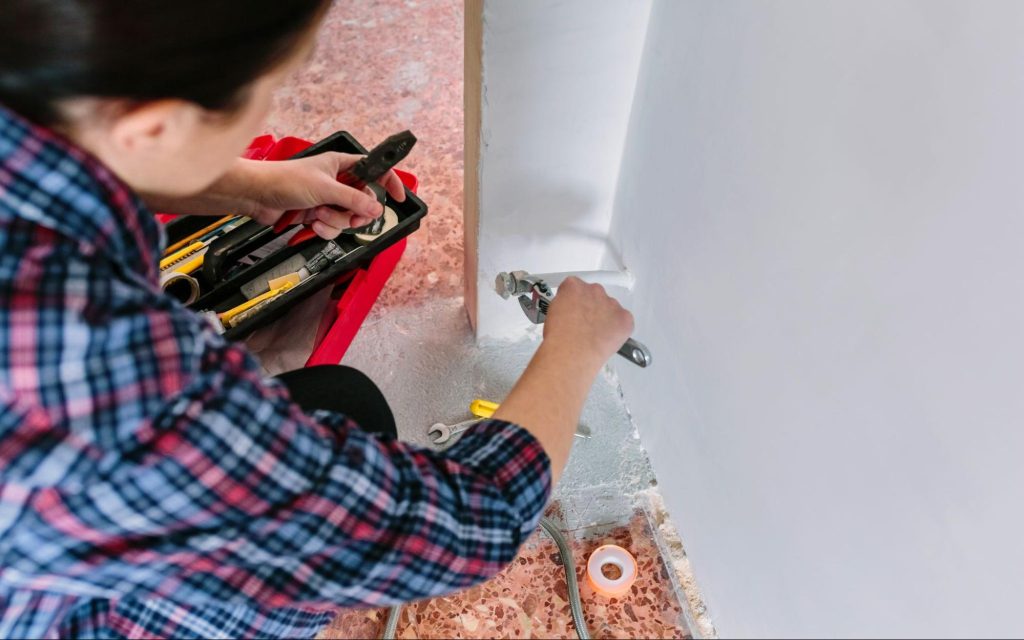
A female plumber tightens a pipe with a wrench, ensuring proper repairs for fixing water damage.
Water Damage Restoration

Fixing Water Damage to Your Home: A Complete Guide

Fixing Water Damage to Your Home: A Complete Guide Water damage can destroy a home faster than most people expect. A small leak may seem harmless but can lead to mold, wood rot, and electrical hazards. The cost of ignoring water issues adds up quickly, turning minor repairs into expensive restoration projects. Every homeowner must know how to fix water damage before it worsens. Immediate action can save money, protect health, and prevent further destruction. Understanding Different Types of Water Damage Not all water damage is the same, and each type requires different handling. Clean water from a broken pipe is easier to manage than contaminated floodwater, but some types pose serious health risks and require professional cleanup. Knowing the difference helps you take the proper steps. Correctly addressing the damage ensures a safe restoration process. Clean Water, Gray Water, and Black Water Clean water comes from plumbing leaks, faucets, or rainwater. It carries no contaminants but can still cause mold and structural damage. Gray water comes from dishwashers, washing machines, or sinks. It contains some bacteria and requires proper disinfection. Black water is the most dangerous, often from sewage or flooding, and needs professional Category 3 water cleanup. How Water Categories Affect Cleanup Clean water can often be dried and treated with disinfectants. Gray water requires protective gear and deeper cleaning to remove bacteria. Black water is hazardous, requiring complete disinfection and material removal. Leaving contaminated water untreated can lead to serious health risks. Proper handling prevents exposure to mold, bacteria, and toxins. Identifying the Severity of Water Damage Water damage can range from mild surface stains to major structural issues. Small leaks can cause hidden problems over time, and flooding can weaken walls, flooring, and foundations. Some signs are obvious, while others require close inspection. Identifying the extent of damage helps determine the best repair approach: Signs of Water Damage in Your Home Water stains on ceilings or walls often indicate hidden leaks. Warped floors, peeling paint, and moldy odors suggest ongoing moisture issues. Soft drywall or sagging ceilings mean severe internal damage. A sudden increase in water bills could point to an unnoticed leak. Promptly spotting these signs prevents more expensive repairs. Assessing Structural and Health Risks Moisture can weaken wooden beams and drywall, leading to structural failure. Mold releases spores that cause respiratory problems and allergies. Electrical wiring exposed to water increases fire hazards. Flooded basements can cause foundation cracks and instability. Evaluating these risks ensures a safe and effective restoration. Steps to Fixing Water Damage and Restoring Your Home Water damage can happen suddenly or build up over time. A burst pipe, a leaky roof, or a flooded basement can disrupt daily life. Even minor damage can lead to mold, decay, and costly repairs if improperly handled. The key to restoration is acting quickly and following the proper steps. Here’s how to fix water damage and prevent further issues: 1. Identify the Severity of Water Damage Knowing how bad the damage is will determine the best repair method. Some water issues are minor, while others compromise the safety of your home. Standing water, damp walls, and musty odors indicate more than surface-level problems. Mold and structural decay can develop if left untreated. Spotting these signs early can prevent costly repairs: Signs of Water Damage in Your Home Water stains on ceilings or walls often signal a hidden leak. Peeling paint, bubbling wallpaper, and warped flooring suggest moisture buildup. A musty smell indicates mold growth, even if no water is visible. Soft drywall or sagging ceilings may point to severe damage inside the walls. Assessing Structural and Health Risks Long-term exposure to moisture weakens wooden beams and drywall. Rotting wood can compromise a home’s foundation, leading to expensive repairs. Mold spreads quickly, releasing spores that cause respiratory issues and allergies. Electrical wiring in damp areas poses a fire hazard, making quick action necessary. Checking for these dangers ensures a safe and effective restoration process. 2. Stop the Source of Water Damage Water damage will not stop until its source is fixed. If left unattended, leaks, broken pipes, and flooding can worsen in hours. Shutting off water and power prevents further destruction and safety hazards. Finding and repairing the cause reduces long-term repair costs. Immediate action minimizes the risk of mold and structural damage. Shutting Off Water Supply and Electricity Turn off the main water supply to prevent further leakage. If water reaches outlets or appliances, cut the power from the breaker box. Never step into standing water with active electrical connections. If unsure, contact a professional before handling electrical issues. Taking these steps protects against shocks and further home damage. Addressing Leaks, Burst Pipes, and Flooding Issues Fix small leaks using plumber’s tape or sealant as a temporary solution. Depending on the damage, a burst pipe may require a complete replacement. Flooding caused by storms or broken appliances may need professional water extraction. Check nearby areas for hidden leaks that could worsen over time. Once repaired, begin drying the space immediately. 3. Dry and Remove Standing Water Moisture trapped in walls, floors, and furniture causes lasting damage. Removing standing water as soon as possible prevents mold and structural decay: dehumidifiers, fans, and air circulation speed up drying. The longer water remains, the harder it is to fix. Drying ensures that no moisture lingers to cause future problems. Using Pumps, Wet Vacuums, and Absorbent Materials A submersible pump quickly removes large amounts of standing water. Wet vacuums help extract moisture from carpets and furniture. Towels and mops soak up the remaining water from hard surfaces. Industrial fans and open windows speed up evaporation. Removing all excess moisture prevents long-term mold growth. Controlling Moisture and Preventing Mold Growth High humidity encourages mold to spread within days. Dehumidifiers lower moisture levels, reducing the risk of mold infestations. Scrub surfaces with antimicrobial solutions to kill any existing spores. Airing out damp areas stops moisture from getting trapped in walls and floors. Keeping humidity under control prevents further damage. 4.

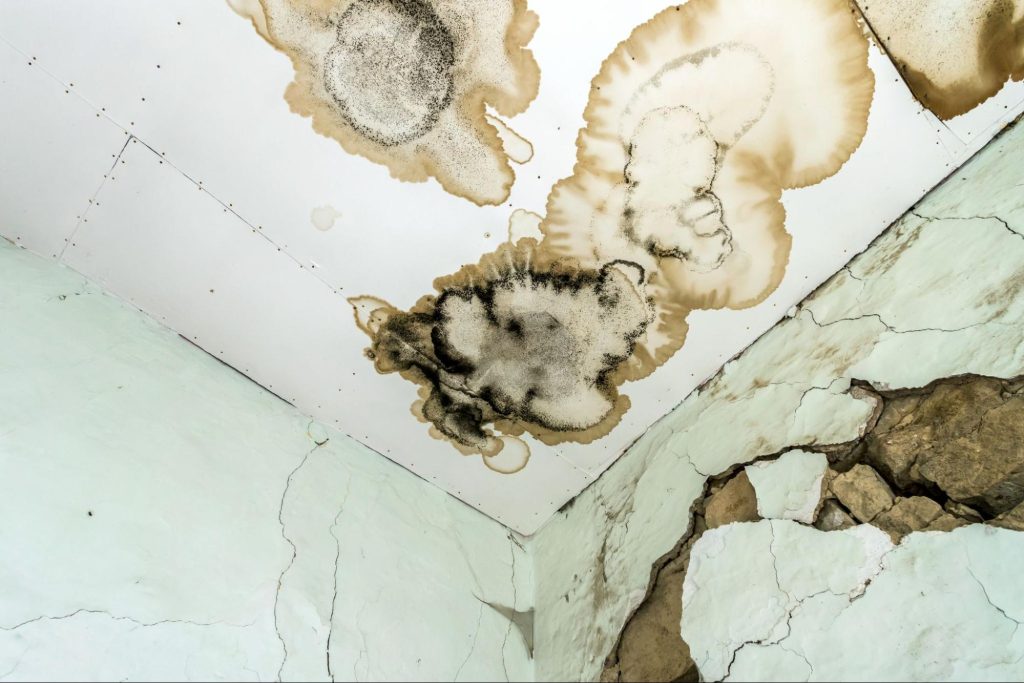
Ceiling and walls with mold and fungus needing water damage restoration.
Water Damage Restoration

What to Look for in a Reliable Water Damage Company: Tips for Homeowners

What to Look for in a Reliable Water Damage Company: Tips for Homeowners Water damage hits fast, and it rarely gives you time to think. One burst pipe or heavy storm can flip your entire day upside down. The stress builds quickly, especially when your home and belongings are at risk. In moments like this, who you call first can shape how well things get fixed—and how quickly life returns to normal. Choosing the wrong team could leave you with mold, weak walls, or more bills. Qualities That Define a Reliable Water Damage Company Not all water damage companies offer the same level of service. Some show up late, leave early, or cut corners to move on to the next job. Others bring experience, care, and tools to get your home dry and safe again. When your home is on the line, you want people who show up ready, know what they’re doing, and care about the outcome. These qualities separate a reliable water damage company from a risky one. Fast Response and 24/7 Availability Water doesn’t wait. It keeps seeping, spreading, and causing more harm the longer it sits. A reliable water damage company should answer calls any time, day or night. Delays often lead to more significant problems like mold or wood rot. A company that shows up fast shows it takes your emergency seriously. Certified and Trained Technicians It’s not enough for someone to “know a guy.” You need certified technicians who are trained in proper cleanup and restoration. Certifications from organizations like IICRC show that the company meets industry standards. Technicians should also know how to handle hazardous materials like sewage or mold. When trained pros show up, you’re more likely to get results that last. Clear Communication and Transparency You deserve to know what’s going on in your own home. A reliable company explains the process in a way that makes sense. They don’t bury costs in fine print or dodge questions. You should get updates as the work progresses, not just a bill at the end. Honest communication is one of the most evident signs that you’ve hired the right team. Services Every Water Damage Company Should Offer You shouldn’t have to hire five companies to fix one water emergency. A strong water damage company should offer more than just vacuuming water out. From drying and mold prevention to repairs, each step matters. Offering a full range of services makes things faster, smoother, and usually cheaper. If a company can’t provide the basics, they’re not the right choice. Water Extraction and Drying Water extraction is the first step in any restoration job. A good company will use high-powered pumps and industrial dryers, which work faster and more efficiently than store-bought machines. They’ll also use moisture sensors to find hidden wet spots. Fast, deep drying helps prevent mold and structural issues. Mold Remediation Mold needs little to grow—just moisture and time. That’s why remediation must start early and be done right. A certified water damage company will contain the mold, filter the air, and clean affected areas. They also make sure spores don’t spread during the cleanup. Post-cleaning testing confirms that the problem is thoroughly addressed. Damage Repair and Restoration Cleaning up is only half the job. Reliable companies also handle the repairs, from patching drywall to replacing flooring. Some even work with painters and electricians for complete restoration. This one-stop approach makes life easier for homeowners. It saves time, avoids delays, and reduces the risk of miscommunication between contractors. What Separates a Great Water Damage Company From the Rest Many companies can show up with a pump and promise results, but few have the reputation, expertise, and service quality to back it up. Homeowners need to look past the sales pitch. Great companies earn trust through experience and follow-through. They bring more than tools—they get peace of mind. Solid Local Reputation Reviews tell a story. A reliable water damage company will have good feedback from real people in your community. You’ll see consistent comments about their punctuality, care, and results. If friends or neighbors recommend them, that’s even better. A solid local reputation shows they’ve proven themselves over time. Insurance Knowledge and Claim Support Dealing with water damage is hard enough without insurance support. Good companies help you handle claims and get documents in order. They’ll take photos, log damage, and communicate with your insurer. This support can speed up approvals and help you get the money you’re owed. A company that supports claims saves you stress and time. Upfront and Fair Pricing Nobody likes hidden fees or vague pricing. A reliable company gives you a written estimate before work starts. They explain what’s included and what could affect the final cost. Fair pricing doesn’t always mean low pricing but honesty and consistency. You should never feel tricked or confused about what you’re paying for. Technology That Sets a Water Damage Company Apart Most homeowners don’t realize how much modern technology can improve water damage restoration. While basic equipment is standard, some companies use tools to enhance speed, accuracy, and results. These advanced solutions can make a huge difference in preventing long-term issues and fully restoring your home: Infrared Thermal Imaging for Hidden Moisture Water doesn’t just pool on the floor—it seeps into walls, ceilings, and insulation. Companies using thermal imaging cameras can detect temperature changes behind surfaces to spot hidden water. Most homeowners miss this, and many basic contractors overlook it. Without it, damp areas may stay untreated, causing future mold or rot. It’s a quiet, powerful upgrade that protects your home in the long run. Real-Time Job Monitoring Apps for Homeowners Some forward-thinking companies now offer real-time digital updates. These apps let homeowners track drying progress, technician visits, and photo documentation. It adds accountability and transparency without constant phone calls. This tool is invaluable if you’re not home or managing things remotely. Few companies offer it, but it can make the experience less stressful. HEPA Air Scrubbing During Cleanup Mold, bacteria,

A flooded house needs cleaning up after water damage.
Water Damage Restoration

Clean Up Water Damage: Understanding the Process

Clean Up Water Damage: Understanding the Process Water damage can turn a safe home into a disaster zone. A small leak can destroy floors, walls, and furniture in hours. Flooding from storms, broken pipes, or faulty appliances creates costly repairs. If left untreated, moisture leads to mold, structural rot, and health risks. Knowing the cleanup process helps you act fast before the damage worsens. What Does “Clean Up Water Damage” Mean? Water damage cleanup is restoring a home or building after water intrusion. It involves removing water, drying materials, sanitizing affected areas, and repairing damaged structures. Whether caused by flooding, plumbing failures, or roof leaks, immediate cleanup is necessary to prevent mold, rot, and costly repairs. Without proper treatment, moisture seeps into walls, floors, and furniture, creating long-term hazards. Understanding the process helps homeowners take quick action and minimize damage. The Clean-Up Water Damage Process Water damage cleanup requires a structured approach to prevent long-term issues. Each step is vital in restoring the property and reducing health risks. Ignoring any stage can lead to mold growth, structural instability, or lingering odors. Acting quickly and following the correct methods ensures a safe and complete restoration. The following are the key steps involved in the cleanup process:  Immediate Steps to Take Water spreads fast, soaking everything in its path. The longer it sits, the more damage it causes. Quick action limits destruction and speeds up recovery. Follow these essential steps to minimize loss and ensure safety: Stop the Water Source The priority is stopping the water source. If a pipe bursts, shut off the main water valve immediately. If flooding comes from outside, use sandbags to block entry points. Appliance leaks may require disconnecting power before turning off water supply lines. Calling a professional is the safest option when the source is unknown or uncontrollable. Ensure Safety Before Entering Standing water poses serious risks. Electrical currents can flow through wet floors, creating shock hazards. Always turn off the electricity before stepping into flooded areas. Contaminated water may contain bacteria, sewage, or harmful chemicals. Protective gear like gloves, boots, and masks help reduce health risks. If the structure seems unstable, avoid entering and contact emergency services. Remove Excess Water Quickly Water extraction should start as soon as possible. Use mops, buckets, or wet vacuums to remove standing water. Industrial-grade pumps are best for large floods. Opening doors and windows helps speed up drying. Water left untreated for over 24 hours increases the risk of mold and material deterioration. Drying and Dehumidification Even after removing visible water, moisture lingers in walls, floors, and furniture. If left unchecked, this hidden dampness leads to mold growth and structural weakening. Drying and dehumidifying the space ensures complete moisture removal. This step prevents long-term problems and improves indoor air quality. Increase Air Circulation Proper airflow helps speed up drying. Placing fans around the affected areas increases evaporation. Dehumidifiers pull moisture from the air, reducing humidity levels. Running HVAC systems or air conditioners also helps control moisture buildup. Drying times vary based on temperature, ventilation, and the severity of water exposure. Inspect for Hidden Moisture Water seeps into places that aren’t visible. Insulation, drywall, and subfloors trap moisture, creating mold conditions. Moisture meters and thermal imaging tools detect water behind walls and under floors. Ignoring hidden dampness leads to expensive structural damage later. A thorough inspection ensures all moisture is addressed. Disinfecting and Sanitizing After removing water and drying the space, surfaces may still harbor bacteria, mold, and foul odors. Disinfection eliminates harmful contaminants and prevents microbial growth. Properly cleaning the affected areas restores a safe and healthy living environment. Remove Contaminated Items Floodwater often contains harmful substances, making some items unsafe to keep. Porous materials like carpets, drywall, and upholstery absorb bacteria and mold. Some furniture and belongings may be salvageable after deep cleaning. Items that remain damp too long become breeding grounds for fungi and odors. Removing contaminated materials prevents further health hazards. Use Professional-Grade Disinfectants Household cleaners may not be strong enough for post-water damage sanitation. Industrial disinfectants kill bacteria, viruses, and mold spores. Spraying and fogging solutions help penetrate porous surfaces for deep cleaning. Using the right chemicals prevents long-term health risks. Restoration specialists ensure that all areas are properly sanitized. Restoring the Property Water damage weakens structures, warps materials, and ruins aesthetics. Restoration repairs or replaces affected areas to return the property to its pre-damaged state. This phase involves assessing the extent of the damage and making necessary repairs. Repair or Replace Damaged Structures Water-soaked drywall swells and crumbles, often needing replacement. When saturated, hardwood floors buckle and may require repairs. If appropriately dried, cabinets and furniture may be salvageable. Professional assessments determine which materials can be saved. Prompt restoration prevents long-term structural deterioration. Prevent Future Water Damage Taking preventive measures reduces the risk of another disaster. Regular plumbing inspections catch leaks early. Cleaning gutters and downspouts prevents overflow and indoor flooding. Installing water leak detectors provides early warnings before major damage occurs. Preventative maintenance saves money and protects the home. Professional vs. DIY Restoration Clean Up Water Damage Not all water damage requires professional help, but knowing when to call experts is essential. Minor leaks can be handled at home, while severe flooding requires specialized equipment and expertise. Choosing the right approach saves time and prevents costly mistakes. When DIY is an Option Homeowners can manage small leaks with proper tools and knowledge. Fans, dehumidifiers, and shop vacs help dry minor spills. Quick action limits mold growth and material damage. Cleaning with antimicrobial solutions prevents lingering odors and bacteria. Correctly handling minor damage reduces the risk of complications. When to Call Professionals Extensive water damage requires expert intervention. Restoration professionals use commercial-grade dehumidifiers and moisture detection tools. Mold remediation may be necessary if moisture has been present too long. Incorrect drying techniques can lead to long-term structural issues. Calling specialists ensures thorough restoration and prevents hidden damage. Clean Up Water Damage and Recover From the Aftermath Water damage doesn’t just destroy property—it

Technician in protective gear cleaning a wall.
Water Damage Restoration

Most Effective Methods for Removing Black Mold

Most Effective Methods for Removing Black Mold Black mold develops in damp areas and can cause respiratory issues, allergies, and structural damage if left untreated. Effective removal methods include natural solutions like vinegar and baking soda, chemical treatments like bleach and mold removers, and professional cleanup services that address hidden moisture. Proper techniques and protective measures help contain spores, prevent contamination, and ensure thorough cleanup. Eliminating mold safely reduces health risks and lowers the chances of regrowth. Removing Black Mold: How it Develops and Its Causes Although there are surefire ways to remove black mold, knowing how it develops helps prevent infestations before they become a bigger problem. Mold spores exist everywhere but only grow when they find the right conditions, such as excess moisture, organic material, and poor airflow. Without addressing these factors, mold can spread quickly, leading to health risks and structural damage. Identifying the causes allows for better prevention and more effective removal methods. High Humidity and Excess Moisture Persistent moisture in the air allows mold spores to settle and grow on various surfaces. Bathrooms, basements, and kitchens often experience high humidity, making them common areas for mold infestations. Dehumidifiers, proper ventilation, and moisture control reduce the risk of black mold development. Water Leaks and Flood Damage Leaky pipes, roof damage, and flooding introduce excessive moisture that seeps into walls, ceilings, and floors. Mold thrives in damp materials and spreads quickly if leaks remain unnoticed or untreated. Immediate water damage restoration and regular inspections should be prioritized because even minor leaks can cause black mold and other problems. Poor Ventilation Stale, humid air lingers in enclosed spaces without proper airflow, creating the perfect environment for mold growth. Black molds appear in bathrooms, laundry rooms, and attics because these areas trap moisture when ventilation systems are inadequate. Installing exhaust fans, opening windows, and using air purifiers improve circulation and reduce mold risks. Organic Material as a Food Source Mold feeds on organic matter such as wood, drywall, and dust, allowing it to grow rapidly in damp environments. Spores settle on porous materials, breaking them down over time and leading to structural deterioration. Regular cleaning and moisture control remove the conditions in which mold needs to spread. Improper Fire and Smoke Cleanup Soot, ash, and water left over from firefighting can create a damp environment that helps mold grow. Fire-damaged areas often retain hidden dampness, making professional cleanup necessary to eliminate potential mold risks. Thorough drying, deodorizing, and surface treatment prevent mold from forming after fire damage.  Best Methods to Remove Black Mold Removing black mold requires effective cleaning methods that eliminate spores while preventing regrowth. Using the right approach depends on the surface affected, the severity of the mold, and safety considerations. Natural solutions, chemical treatments, and professional services offer advantages in different situations. Proper application and protective measures ensure mold is removed safely without spreading spores to other areas. Choosing the most effective method helps maintain a clean and healthy environment. White Vinegar Solution White vinegar contains chemicals that kill mold spores on hard surfaces and prevent them from returning. Spraying undiluted vinegar directly onto the affected area and letting it sit for an hour allows it to break down the mold. Scrubbing with a brush or sponge removes the residue, rinsing with water and drying the surface completely. Repeating this process regularly in damp areas reduces the chances of mold regrowth. The strong odor fades quickly but can be minimized by ventilating the space during cleaning. Baking Soda and Water Paste Baking soda is a natural antifungal agent that removes mold while absorbing moisture to prevent future growth. Mixing baking soda with water to form a paste creates an effective scrubbing solution for walls, tiles, and other hard surfaces. Applying the paste to the affected area and scrubbing with a brush lifts the mold without damaging the material underneath. Wiping the surface with a damp cloth removes residue, and spraying a final mist of baking soda and water helps prevent regrowth. Safe for use on most surfaces, baking soda is an excellent option for homes with children and pets. Hydrogen Peroxide Treatment Hydrogen peroxide removes mold and disinfects surfaces without leaving toxic fumes. Pouring a three percent hydrogen peroxide solution into a spray bottle and applying it directly to moldy areas allows it to penetrate porous materials. Letting it sit for ten to fifteen minutes before scrubbing with a brush effectively loosens mold from surfaces. Wiping with a clean cloth removes residue, and drying the area thoroughly prevents moisture buildup. This method on grout, bathtubs, and countertops eliminates mold while sanitizing the surface. Bleach and Water Solution Bleach is a popular solution for killing mold on non-porous surfaces and removing visible stains left behind. Mixing one cup of bleach with one gallon of water creates a strong disinfecting solution for tiles, sinks, and bathroom walls. Applying it with a sponge or spray bottle and letting it sit for several minutes breaks down the mold before scrubbing. Rinsing with water and ensuring the area is completely dry helps prevent future mold growth. Since bleach produces strong fumes, it must be used in well-ventilated spaces with protective gear. Commercial Mold Removers Store-bought mold removers contain powerful chemicals that dissolve mold and prevent regrowth. Choosing a product designed for black mold ensures maximum effectiveness on walls, ceilings, and other affected areas. Applying the remover according to the manufacturer’s instructions prevents surface damage and ensures proper mold elimination. Scrubbing, rinsing, and drying the area thoroughly enhance the results and reduce the chances of spores spreading. While convenient, commercial products should be used cautiously, especially in homes with pets or individuals sensitive to strong chemicals. Professional Mold Removal Services Severe mold infestations require professional removal to ensure complete eradication. Specialists use advanced techniques, such as HEPA filtration and antimicrobial treatments, to eliminate spores from walls, floors, and air ducts. Inspecting the affected areas allows professionals to determine the source of moisture and recommend long-term solutions. Proper containment prevents spores from

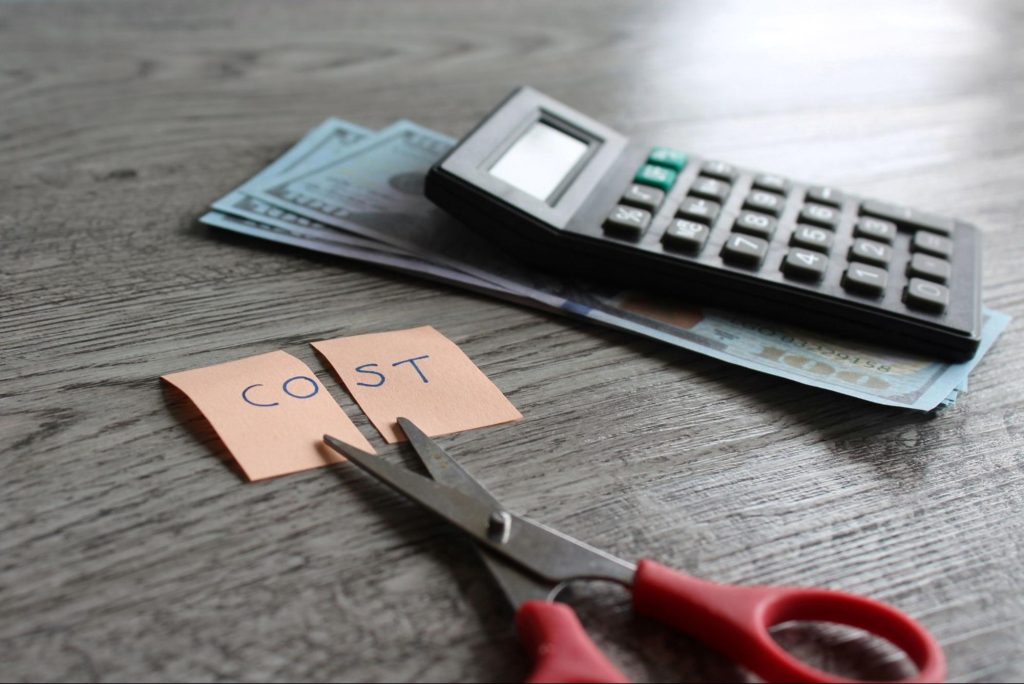
A memo pad with the word "cost" is cut into pieces, symbolizing the importance of budgeting for hiring a company for water damage services.
Water Damage Restoration

What is the Average Cost of Hiring a Company for Water Damage?

What is the Average Cost of Hiring a Company for Water Damage? If left unaddressed, water damage can escalate quickly, leading to structural deterioration, mold growth, and costly repairs. Hiring a company for water damage ensures timely mitigation, preventing further complications and minimizing expenses. The cost of these services varies based on several factors. The overall costs include the severity of damage, the type of water involved, affected areas, and the urgency of response. Additional services such as mold remediation and structural repairs can also influence the final cost, making it essential for property owners to understand what impacts pricing before selecting a professional water restoration service. Company for Water Damage: Understanding the Work Process Hiring a company for water damage involves a structured process designed to minimize damage and restore affected areas efficiently. Professionals follow standard steps, including assessment, water extraction, drying, cleaning, and repairs, to ensure the property is safe and habitable. Each stage plays a role in preventing further deterioration and maintaining indoor air quality. Inspection and Damage Assessment Technicians inspect the affected areas to determine the severity of the water damage. Moisture meters and infrared cameras help identify hidden water pockets that could lead to mold growth. Based on the findings, a restoration plan is created to outline the necessary steps for recovery. Water Extraction and Removal Pumps and vacuums remove standing water to prevent further walls, floors, and furniture saturation. High-powered extraction equipment speeds up the process, reducing the risk of mold and structural damage. Immediate removal limits additional repair costs by preventing water from spreading to unaffected areas. Drying and Dehumidification Industrial air movers and dehumidifiers target remaining moisture trapped in walls, floors, and ceilings. Drying equipment runs continuously until moisture levels return to normal. Technicians monitor humidity and adjust airflow to prevent secondary damage such as warping or mold formation. Cleaning and Sanitization Surfaces exposed to water damage undergo cleaning to eliminate bacteria, debris, and potential contaminants. Disinfection treatments neutralize harmful microorganisms, reducing health risks for occupants. Specialized odor removal techniques restore indoor air quality by eliminating musty smells. Repairs and Restoration Damaged drywall, flooring, and insulation are replaced to restore the property’s structure. Painting, refinishing, and minor reconstruction complete the restoration process. In severe cases, contractors handle foundation reinforcement and electrical rewiring repairs. Water Damage Company: Factors Affecting Service Costs Hiring a water damage company involves varying costs depending on the extent of the damage, type of water, affected areas, urgency of response, and additional services required. Minor issues like small leaks may be resolved at a lower price, while extensive flooding can lead to higher restoration expenses. Companies assess multiple factors before providing a quote, ensuring homeowners receive accurate pricing for necessary repairs. Knowing these cost determinants helps in planning for potential water damage restoration expenses. Extent of the Damage Minor water damage, such as a small leak affecting a limited area, typically costs between $500 and $1,500 for water extraction and drying. Moderate damage that involves soaked drywall, flooring, and insulation ranges between $1,500 and $5,000, depending on the affected square footage. Severe flooding that impacts structural elements, electrical systems, and large areas can exceed $5,000, sometimes reaching $15,000 or more. Restoration companies determine pricing based on labor intensity, materials needed, and repair complexity. Type of Water Involved Clean water from burst pipes or rainwater incurs lower restoration costs, averaging $3 to $4 per square foot for extraction and drying. Gray water, which contains contaminants from appliances or sinks, requires disinfection and costs $4 to $7 per square foot. Black water from sewage backups or floodwaters demands specialized cleaning and hazardous waste disposal, increasing expenses to $7 to $10 per square foot. The level of contamination influences treatment methods, safety measures, and total service costs. Affected Areas Restoring water damage in open spaces, such as basements or living rooms, generally costs between $1,000 and $4,000, depending on the damage spread. Water intrusion in walls and ceilings adds $500 to $2,500 for drywall removal, insulation replacement, and repainting. Flooring repairs range from $200 to $5,000, with hardwood and tile requiring more extensive work than carpeted surfaces. Structural issues affecting foundations or support beams push restoration costs beyond $10,000. Urgency of Response Standard water damage restoration services follow scheduled appointments, keeping costs within the normal range of $1,000 to $5,000 based on damage severity. Emergency services available 24/7 add 20% to 50% to the base price due to the immediate response and additional labor requirements. Late-night, weekend, or holiday calls often come with extra fees ranging from $100 to $500, depending on the company. Delayed mitigation increases damage severity, leading to higher expenses in the long run. Additional Services Required Mold remediation after water damage costs between $500 and $6,000, depending on the affected surface area and treatment complexity. Odor removal and dehumidification add $200 to $1,000, ensuring long-term moisture control. Structural repairs, including drywall, insulation, and electrical system restoration, can range from $500 to $10,000, depending on material and labor requirements. Additionally, specialized treatments for hazardous materials or biohazard cleanup can significantly increase restoration costs. Water Damage Company Costs Based on Severity of Damage The cost of hiring a water damage company varies depending on the extent of the damage, materials affected, and required restoration efforts. Minor cases may only need water extraction and drying, while severe incidents require structural repairs and mold remediation. Service pricing depends on labor, equipment, and the complexity of the restoration process. Estimating costs based on damage severity helps in preparing for potential expenses. Minor Water Damage ($500 – $1,500) Small leaks or localized water intrusion typically fall into this category. Technicians use extraction equipment and drying fans to remove moisture before it causes further issues. Repairs may include minor drywall patching or carpet cleaning. Quick response limits damage spread, keeping costs lower. Moderate Water Damage ($1,500 – $5,000) Larger areas with soaked flooring, drywall, and insulation require more extensive drying and repairs. Water removal involves high-powered pumps, dehumidifiers, and airflow adjustments to prevent mold

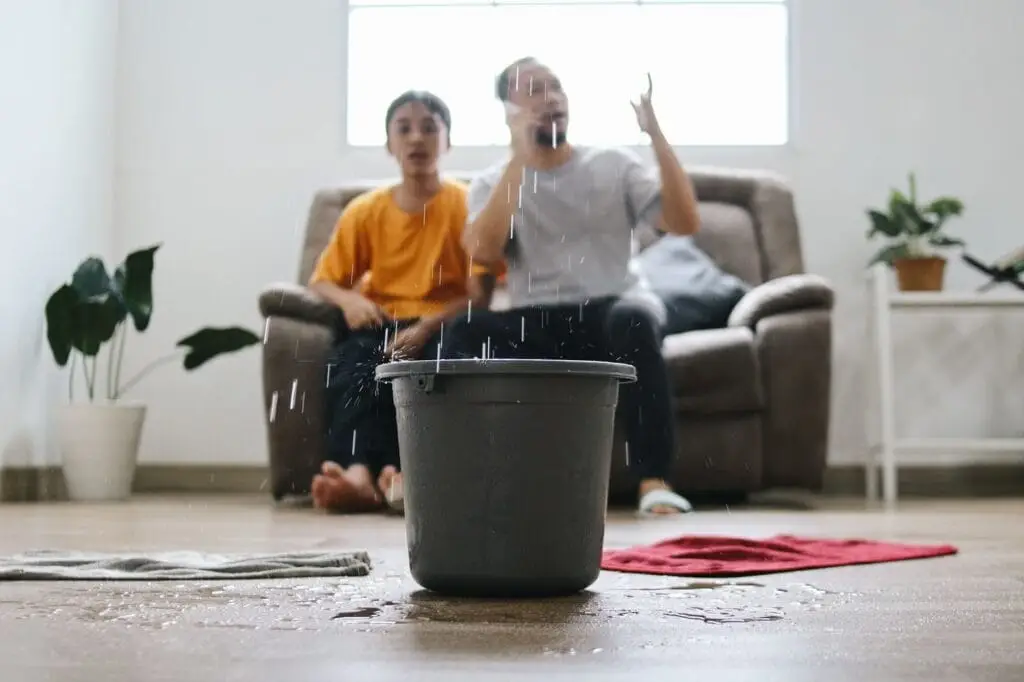
Two men catching water in buckets from a leak.
Water Damage Restoration

Water Damage Mitigation vs Restoration: What’s the Difference?

Water Damage Mitigation vs Restoration: What’s the Difference? If not addressed quickly, water damage can weaken a property’s structure, cause mold growth, and lead to costly repairs. Effective solutions rely on two key processes: water damage mitigation, which prevents further harm, and water damage restoration, which repairs and rebuilds damaged areas. Confusion between these approaches can lead to delays, higher costs, and incomplete recovery. Knowing how they differ helps property owners to confidently decide and take the correct steps after leaks, floods, or plumbing failures, ensuring a faster return to a safe and livable space. What is Water Damage Mitigation? Water mitigation reduces immediate damage caused by leaks, floods, or plumbing failures. This process involves removing excess water, drying affected areas, and preventing mold growth to protect a property from further deterioration. Addressing the issues timely limits repair costs and ensures that restoration efforts are more effective. Key Mitigation Processes Stopping further damage requires immediate action using specialized mitigation techniques. Quick water removal, thorough drying, and preventive measures help stabilize the affected area. Without these steps, moisture can weaken structures and lead to mold growth. Water Extraction and Removal Removing standing water is the first step to preventing further structural damage. Pumps, vacuums, and other extraction tools remove excess moisture from floors, carpets, and walls. Immediate removal lowers the risk of mold growth and material decay. Drying and Dehumidification Moisture remains even after removing visible water, making drying a critical step. Industrial fans and dehumidifiers help regulate humidity levels and prevent damp conditions. Proper drying reduces the chances of warping, swelling, and mold formation in affected areas. Temporary Boarding and Roof Tarping Unprotected openings can allow water to enter a building and cause additional damage. Roof tarping and board-up services help seal exposed areas to prevent further moisture intrusion. These temporary solutions protect the structure until permanent repairs can be completed. Mold Prevention Measures Unchecked moisture creates the perfect conditions for mold growth. Antimicrobial treatments and proper ventilation help reduce the risk of mold spreading throughout a property. Preventing mold earlier avoids costly remediation and protects indoor air quality. When to Prioritize Water Damage Mitigation Mitigation should begin immediately after discovering water damage to prevent worsening conditions. Acting quickly can save materials, reduce expenses, and limit the extent of necessary repairs. Delayed mitigation often leads to structural weakening and higher restoration costs. Immediately After a Flood or Major Leak Water can seep into walls, floors, and ceilings within minutes. Rapid mitigation efforts help contain the damage and prevent long-term deterioration. The sooner water is removed, the lower the risk of severe structural issues. Before Mold Begins to Develop Mold can start forming within 24 to 48 hours in damp environments. Early intervention, including drying and dehumidification, reduces the likelihood of mold growth. Preventing mold at the mitigation stage eliminates the need for extensive remediation later. When Property Integrity is at Risk Water intrusion weakens structural materials, leading to potential safety hazards. Addressing moisture damage before it spreads helps maintain the property’s stability. Mitigation efforts can prevent costly repairs and ensure a safer living or working environment. What is Water Damage Restoration? Water damage restoration focuses on repairing and rebuilding areas affected by excess moisture. This process includes replacing damaged materials, treating mold growth, and restoring structural integrity. Restoration efforts aim to return the property to its pre-damage condition after mitigation has stabilized the situation. Key Restoration Processes Restoring a property after water damage involves multiple steps to repair and replace compromised materials. Fixing structural damage, eliminating mold, and improving indoor air quality are essential for a full recovery. Proper restoration ensures a safe and functional space. Replacing Damaged Materials Walls, flooring, and insulation can absorb moisture and deteriorate over time. Removing and replacing these materials prevents further damage and restores the property’s appearance. Using water-resistant replacements can also reduce the risk of future issues. Mold Remediation and Air Quality Improvements Mold spores can spread quickly in damp environments, affecting indoor air quality. Professional remediation removes mold-infested materials and treats affected areas to prevent regrowth. Improving ventilation and air filtration helps create a healthier living space. Plumbing and Electrical Repairs Water damage can impact plumbing systems and electrical wiring, creating safety risks. Inspections and necessary repairs ensure that pipes, outlets, and wiring function correctly. Addressing these issues prevents future leaks and electrical hazards. Repainting and Refinishing Surfaces After structural repairs, repainting and refinishing floors and walls restore the property’s appearance. Using moisture-resistant paints and sealants adds protection against future water exposure. Final cosmetic touches complete the restoration process. When to Prioritize Water Damage Restoration Restoration should begin once mitigation has successfully controlled the immediate damage. Delaying restoration can lead to worsening conditions and higher repair costs. Completing restoration ensures the property is safe, functional, and visually appealing. After Mitigation Has Stabilized the Damage Water extraction and drying must be completed before restoration can begin. Addressing underlying issues first prevents further damage during the repair process. A stable foundation allows for long-lasting restoration work. Structural Components Need Repair or Replacement Severely damaged materials, such as warped flooring and weakened drywall, require professional restoration. Replacing these components ensures the building remains safe and structurally sound. Ignoring compromised materials can lead to long-term deterioration. Restore Property Value and Livability Prolonged water damage can decrease property value and make spaces uninhabitable. Completing restoration work enhances the home’s aesthetics and functionality. A well-restored property provides a safe and comfortable environment for occupants. Services Involved in Water Damage Mitigation & Restoration Both mitigation and restoration services are essential for addressing water damage, but they serve different purposes. Mitigation focuses on immediate actions to prevent further harm, while restoration involves repairing and rebuilding affected areas. Each service is critical in returning a property to a safe and functional condition. Knowing what each entails helps property owners respond effectively to water-related emergencies. Water Damage Mitigation Services Mitigation services aim to stop water damage from worsening and minimize long-term repair costs. Immediate action helps preserve structural integrity and prevents

Scroll to Top