
Restoration Services

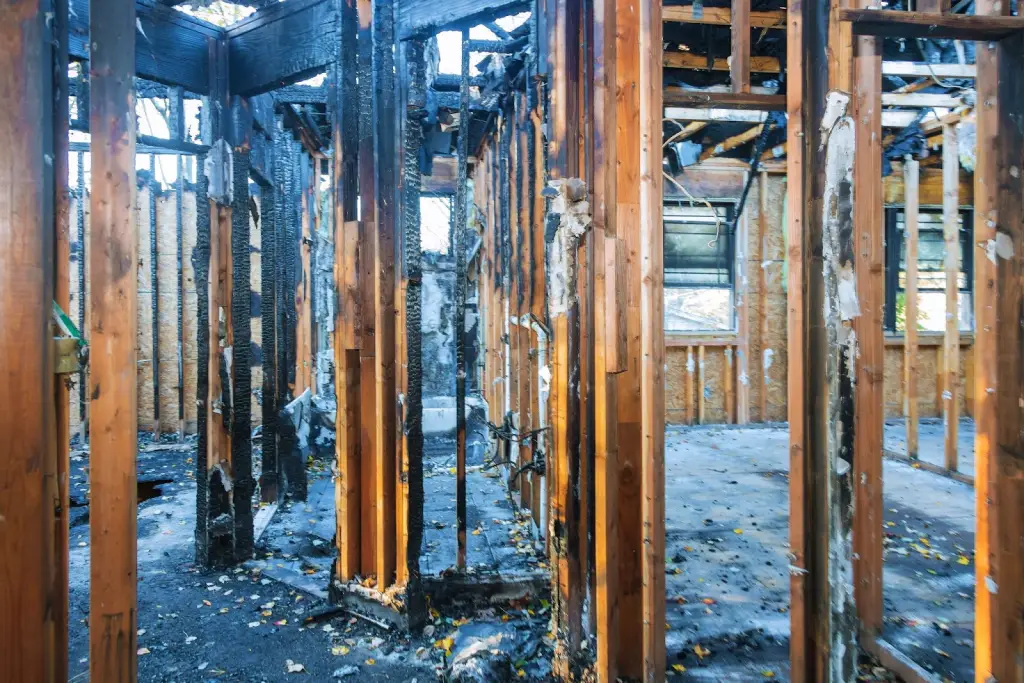
Charred remains stand where a complete building once stood.
Restoration Services

Restoration Services vs Renovation: How to Decide Wisely

Restoration vs Renovation: How to Choose the Right Path After Damage Water, fire, and time all leave their marks on buildings, but not every project that follows is the same. Some aim to make a space look new or function better. Others are focused on undoing damage and stabilizing the environment so that life can resume safely. That split—between renovation and restoration—is more than just a matter of vocabulary. It changes the scope, sequencing, risk profile, and even who pays. Understanding how restoration services differ from renovation work helps property owners set realistic expectations, choose the right professionals, and protect both their budgets and health. Restoration Services Focus on Returning What Was Lost The core mission of restoration services is to restore a structure to its pre-loss condition after an event such as a flood, fire, or storm. For official safety recommendations on post-disaster cleanup, see the FEMA guidelines on water and mold damage. The emphasis is on stabilizing the building, removing contamination, and repairing only what the incident actually harmed. Where renovation is elective and aspirational, restoration is urgent and corrective. Success isn’t measured by how trendy the finishes look; it’s measured by moisture readings, air quality metrics, and whether the building is safe to occupy. Because time amplifies damage, crews mobilize quickly with containment, drying, cleaning, and selective demolition to stop deterioration and preserve materials that can be saved. Renovation Work Pursues Upgrades While Restoration Services Preserve Core Elements Renovation projects aim to improve value, efficiency, or aesthetics, often by replacing or reconfiguring existing components. Restoration services safeguard what remains sound and remove what’s unsalvageable. Think Function Before Finish In restoration, the priority is structural integrity, dryness, and cleanliness; style choices are made once the building is stable. Original Materials Matter Saving existing assemblies reduces disruption and waste, and it preserves the character that renovation might otherwise replace. Restoration Services Start With Stabilization In the first hours after a loss, the proper sequence matters more than the right paint color. Restoration services open with hazard assessments, source control, and containment to prevent cross-contamination. Professionals often follow the IICRC S500 water damage restoration standard, which defines the correct drying and decontamination process. Technicians extract standing water, set up negative air or pressure differentials, and deploy drying systems to remove moisture from building assemblies. Only when the structure meets drying goals do they transition to cleaning, odor neutralization, and selective rebuild. Renovation, by contrast, typically begins with design and budgeting, then proceeds to elective demolition and finish selection. The sequencing difference reflects the underlying purpose: restoration halts damage first; renovation creates improvements. Unique Hazards Presented by Restoration Services Restoration projects often encounter conditions that typical remodels rarely face, including Category 3 water, soot and smoke residues, compromised electrical systems, or microbial contamination. Contaminants Require Controls Professional containment, PPE, and validated cleaning protocols ensure the safety of occupants and crews while work proceeds. Documentation Isn’t Optional Moisture logs, photos, and clearance data demonstrate that hazards were mitigated, justifying the scope of work to insurers. How Restoration Services Align With Insurance Claims Most restoration projects intersect with insurance policies that define what is covered and how it must be documented. Restoration services teams are accustomed to writing scoped estimates that map directly to policy language and building codes, using line items that reflect industry standards. Homeowners can also review the Insurance Information Institute’s claim process guide to understand documentation requirements. They provide cause-of-loss notes, equipment logs, and measurements that support the claim file and withstand audit. Claims rarely drive renovation work; instead, it typically follows owner preferences and investment goals. That distinction influences approvals, timelines, and even materials choices, because the objective in restoration is indemnity—returning to pre-loss condition—rather than discretionary upgrades. Restoration Services Versus Discretionary Renovation Costs behave differently depending on the project’s purpose. Renovations heavily emphasize materials and finishes; restoration budgets, however, disproportionately allocate resources to mitigation, equipment time, and specialized labor. Time and Equipment Drive Cost Dehumidifiers, air movers, HEPA filtration, and containment remain on site for days, and their runtime is a core budget component. Scope Matches Proven Damage Adjusters and owners expect to pay for what the loss caused—not for nice-to-have upgrades—so estimates are evidence-based. Timeline for Restoration Services While a remodel might wait on finish samples or permit sequencing, restoration services proceed immediately to prevent secondary damage. The first 24 to 72 hours are decisive: remove liquid water, stabilize humidity, and prevent microbial growth. Schedules are measured in day-by-day drying targets rather than milestone design approvals. Once the structure is clean and dry, a limited rebuild can proceed quickly to restore habitability. Renovations often run longer precisely because they include elective scope, custom orders, and expanded inspections; in restoration, every day of delay can worsen conditions and increase costs. Restoration Services Guard the Breathing Zone Damage events change the air long before they ruin finishes. Wet materials off-gas, soot coats surfaces, and spores can flourish if humidity spikes. Restoration services treat air as part of the job, not an afterthought. Containment Protects Clean Areas Barriers and pressure controls keep particulate and odors from migrating into rooms that were not impacted. Filtration and Verification Matter HEPA capture and post-work checks help ensure the air quality returns to normal as the structure dries and is cleaned. Standards That Govern Restoration Services Restoration draws on published industry standards and best practices that define categories of water, classes of damage, acceptable moisture content, and cleaning protocols. Technicians use moisture meters, hygrometers, and, in some cases, thermal imaging to map wet areas and measure progress. The notion of “quality” is quantified: materials must return to target dryness, odors must be neutralized, and surfaces must be clean to a defined level. Renovation quality is more subjective, often judged by the fit and finish, as well as owner satisfaction with colors, layouts, and features. The metrics differ because the missions differ. Where Renovation Shines and Restoration Services Step Back Renovation is where design takes center stage. You might reconfigure a kitchen, swap
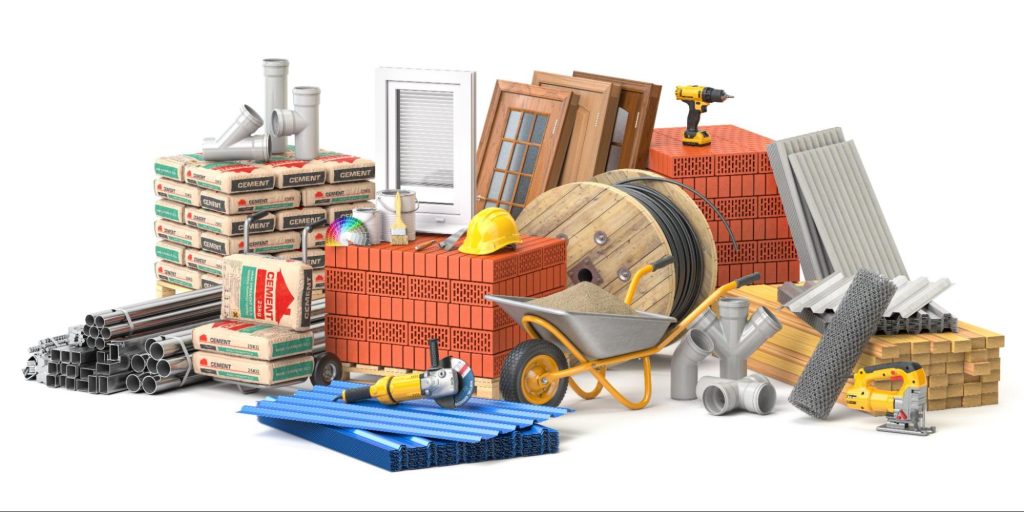
Construction materials and tools for emergency restoration services against a white background.
Restoration Services

Are Local Emergency Restoration Services Better for Fast Recovery?

Are Local Emergency Restoration Services Better for Fast Recovery? When disaster strikes, every second counts. Whether it’s a flood, fire, or sudden mold outbreak, homeowners and businesses need help fast. While national chains and large franchises offer wide-ranging services, many property owners opt for local emergency restoration services for a faster and more personalized recovery experience. But are local teams truly better equipped for speed and efficiency? This blog examines how local restoration providers perform when urgent damage repair is at stake. Local Emergency Restoration Services Offer Faster Response Times Time is critical in any disaster. Locally based emergency restoration services tend to have faster arrival windows because their teams operate in the same region. Without having to dispatch technicians across multiple cities or counties, local companies can often be onsite within the hour. Immediate Access to Damaged Areas Unlike larger networks that may need to coordinate logistics across multiple territories, local restoration crews are familiar with their coverage zones. This familiarity enables them to bypass traffic bottlenecks, detours, or access challenges that would slow down an outside crew. Pre-Existing Relationships With Local Authorities Local businesses often have working relationships with fire departments, building inspectors, and city permitting offices. These connections help expedite the approvals and inspections required before repairs can proceed. Smaller Territories Mean Faster Mobilization Because local companies focus on a smaller geographic area, their teams can be mobilized more quickly without delay. Technicians are typically on-call within the community and can respond promptly after an emergency call is received. Familiarity With Local Building Types From historic downtown buildings to newer residential subdivisions, local restoration providers are familiar with the types of structures common in their area. This familiarity means fewer surprises during inspections and faster decision-making when developing a repair strategy. Emergency Restoration Services From Local Experts Improve Communication In a crisis, communication matters as much as response time. Emergency restoration services from local providers often offer more direct and responsive communication than national competitors. Personalized Updates Because local teams are smaller and focused on a specific geographic area, they can offer tailored updates and explain timelines in greater detail. Homeowners won’t be stuck navigating generic call centers or waiting for callbacks. Familiar With Regional Conditions Local professionals understand how seasonal weather patterns, soil composition, or regional building codes influence restoration work. This insight leads to better-informed recommendations and fewer delays during planning and execution. Why Local Emergency Restoration Services Are More Flexible During Crisis In fast-moving situations, flexibility can make or break the outcome. Emergency restoration services that are independently operated or locally managed typically have more autonomy to make quick decisions. On-The-Spot Adjustments National franchises may require corporate approvals for changes in scope or material sourcing. Local companies, by contrast, can adjust plans midstream based on field conditions or homeowner preferences. Easier Scheduling for Follow-Ups Because they work within a defined local radius, these providers can return to check on progress or make post-restoration tweaks without long wait times. This kind of flexibility ensures the job is finished properly, not just quickly. More Responsive to Changing Weather or Conditions Local providers are closely attuned to shifting weather patterns, utility outages, and road closures. This responsiveness enables them to quickly pivot plans without waiting for top-down directives. Ability to Prioritize Urgent Community Needs In widespread emergencies, local restoration services can prioritize cases based on severity and location. Their understanding of the community lets them respond where help is needed most, rather than following a preset order list from a corporate office. Comparing Customer Service Quality in Emergency Restoration Services The quality of customer service often hinges on accountability and reputation. Emergency restoration services from local providers tend to be more invested in customer satisfaction because they rely on repeat business and word-of-mouth referrals. Community-Based Reputation Local businesses thrive or falter based on their community reputation. Unlike national brands backed by massive marketing budgets, local companies depend on positive reviews and referrals. This focus on reputation often leads to a greater emphasis on ensuring customer satisfaction. Fewer Clients, More Attention With a smaller client base at any given time, local emergency restoration teams can devote more energy and personalized attention to each case. That focus can make a huge difference in a stressful, high-stakes situation. Cost Transparency With Local Emergency Restoration Services Budget surprises can be just as damaging as the original disaster. When it comes to pricing, emergency restoration services from local providers often offer more transparent and more flexible options. Fewer Hidden Fees Local providers typically have simpler pricing structures and fewer bureaucratic hurdles. They may be more willing to explain cost breakdowns or work with a homeowner’s budget to find a viable solution. Competitive Local Rates Without high overhead costs or franchise fees, local companies can often offer better pricing for the same services. Their proximity also reduces travel and equipment transport costs, leading to further savings. Emergency Restoration Services and Local Insurance Familiarity Insurance claims are often the most stressful part of any restoration project. Emergency restoration services from local providers are often more familiar with regional insurance policies, adjusters, and claim procedures. Strong Working Relationships With Local Adjusters Local restoration firms frequently work with the same insurance adjusters over time. These established relationships foster better cooperation and quicker claim resolutions. Knowledge of State-Level Coverage Nuances Understanding state-specific policies, disaster declarations, and coverage limits gives local teams a competitive edge when guiding homeowners through the claims process. Tools Offered by Local Emergency Restoration Services Just because a restoration company is local doesn’t mean it’s outdated. Many emergency restoration services operated by locals invest in the same cutting-edge tools and software used by national chains. Access to Industry-Standard Equipment High-powered drying systems, HEPA filtration, infrared cameras, and digital moisture meters are commonly used restoration equipment by experienced local providers. Digital Reporting and Remote Updates Modern local teams also use cloud-based systems to upload reports, photos, and estimates, keeping homeowners and insurers updated in real-time. Emergency Restoration Services That Support Community Resilience There’s something

Scroll to Top