Author name: admin

How You Can Keep Your Property Safe From Fire Damge
Uncategorized

How You Can Keep Your Oklahoma City Property Safe From Fire Damage?

How You Can Keep Your Oklahoma City Property Safe From Fire Damage? You can keep your Oklahoma City property safe from fire damage by reducing ignition risks, maintaining electrical and heating systems, creating defensible space around your home, installing early warning devices, and having a clear emergency and restoration plan in place. Fire safety starts with prevention, continues with preparation, and depends on fast action if a fire occurs. Oklahoma City homeowners face specific fire risks linked to dry, windy conditions, lightning storms, aging electrical systems, and heavy use of heating and cooling equipment. Whether you own a home, rental property, or commercial building, a proactive strategy can significantly reduce damage and protect lives. Below is a practical, locally focused guide to help you safeguard your Oklahoma City property from fire damage. Understand Fire Risks in Oklahoma City Fire prevention begins with knowing what commonly causes property fires in central Oklahoma. 1. Severe Weather and Lightning Oklahoma is known for intense storms. Lightning strikes can ignite roofs, attics, and nearby trees. During dry periods, even a small spark can spread quickly due to wind. 2. Wildland Urban Interface Areas Properties near open fields, wooded lots, or undeveloped land are more exposed to grass and brush fires. High winds in Oklahoma County can rapidly push flames toward homes and commercial buildings. 3. Electrical System Failures Older homes in Oklahoma City neighborhoods may have outdated wiring, overloaded circuits, or improper DIY modifications. Electrical faults remain a leading cause of structure fires. 4. Heating and Cooking Incidents Space heaters, fireplaces, and kitchen equipment are frequent fire sources, especially during colder months. Identifying these risks allows you to take targeted preventive steps. Strengthen Your Property Against Fire Fire protection requires both interior and exterior planning. 1. Install and Maintain Smoke Alarms Smoke alarms are your first line of defense. Install them: 1. In every bedroom 2. Outside sleeping areas 3. On every level of the property 4. In commercial spaces according to code Test alarms monthly and replace batteries twice a year. Replace units every 10 years. 2. Use Carbon Monoxide Detectors Carbon monoxide detectors help identify dangerous gas leaks from furnaces or fuel burning appliances. Many fire events begin with malfunctioning heating systems. 3. Upgrade Electrical Systems If your property is more than 20 years old, schedule a licensed electrician inspection. Warning signs include: ✓ Flickering lights ✓ Frequently tripped breakers ✓ Warm outlets ✓ Burning smells Panel upgrades and rewiring may be necessary to meet modern load demands. 4. Install Fire Extinguishers Keep multi-purpose extinguishers in: 1. Kitchen areas 2. Garages 3. Mechanical rooms 4. Commercial workspaces Ensure everyone knows how to use them correctly. Protect the Exterior of Your Property Outdoor fire prevention is especially important in Oklahoma’s dry and windy seasons. 1. Maintain Defensible Space Clear at least 30 feet around your property by: ✓ Removing dead vegetation ✓ Trimming tree branches away from the roof ✓ Keeping grass short ✓ Storing firewood away from structures This reduces the chance of flames reaching your home. 2. Clean Gutters Regularly Dry leaves and debris in gutters can ignite from embers or lightning strikes. Clean gutters at least twice a year, more often during fall. 3. Use Fire Resistant Materials When repairing or renovating, consider: ✓ Class A fire-rated roofing materials ✓ Non-combustible siding ✓ Metal or fire-resistant fencing Small upgrades can limit structural spread during a fire. Create a Fire Safety Plan Preparation saves time and reduces panic during an emergency. 1. Develop an Evacuation Plan Every household or business should have: 1. Two exit routes from each room 2. A designated meeting location 3. Emergency contact numbers 4. A plan for pets Practice the plan twice a year. 2. Secure Important Documents Store vital records such as insurance policies, property deeds, and IDs in a fire-resistant safe or digital cloud storage. 3. Review Insurance Coverage Confirm your policy covers: ✓ Structure damage ✓ Smoke damage ✓ Water damage from firefighting efforts ✓ Temporary relocation costs Many property owners only realize coverage gaps after a loss occurs. Fire Prevention for Commercial Properties in Oklahoma City Business owners face additional responsibilities. 1. Comply With Local Fire Codes Work with the Oklahoma City Fire Marshal to ensure your building meets code requirements for: 1. Sprinkler systems 2. Fire suppression systems 3. Exit signage 4. Emergency lighting 2. Maintain HVAC and Mechanical Equipment Restaurants, warehouses, and industrial facilities must inspect ventilation and grease systems regularly. Grease buildup is highly flammable. 3. Train Employees Provide fire extinguisher training and evacuation drills. Clear roles reduce confusion during emergencies. What To Do Immediately After a Fire Even small fires can cause hidden structural damage and smoke contamination. ✓ Contact emergency services if the fire is still active. ✓ Avoid entering the property until it is declared safe. ✓ Document damage for insurance claims. ✓ Contact a professional fire damage restoration company. Smoke residue, soot, and water from firefighting efforts can cause secondary damage if not addressed quickly. If your Oklahoma City property has experienced fire damage, the team at Express Restoration can assess structural safety, remove debris, eliminate smoke odors, and begin the recovery process. A quick response reduces long term damage and restoration costs. The Importance of Professional Fire Damage Restoration Fire damage is more complex than visible burn marks. It often includes: 1. Structural weakening 2. Smoke infiltration in walls and insulation 3. Corrosive soot deposits 4. Water saturation from firefighting Professional restoration includes: 1. Structural stabilization 2. Soot and smoke removal 3. Odor neutralization 4. Content cleaning and pack out 5. Full reconstruction if necessary Express Restoration works with Oklahoma City property owners to restore homes and businesses safely and efficiently after fire events. Their local experience with Oklahoma weather and building structures allows them to respond with appropriate methods and equipment. Seasonal Fire Safety Tips for Oklahoma City 1. Spring and Summer ✓ Monitor burn bans ✓ Avoid outdoor burning during high wind days ✓ Store gasoline properly ✓ Maintain landscaping 2.
Insurance Cover Water Damage Restoration For Oklahoma City Businesses
Uncategorized

Does Insurance Cover Water Damage Restoration For Oklahoma City Businesses?

Does Insurance Cover Water Damage Restoration For Oklahoma City Businesses? When water floods your Oklahoma City office or warehouse, you’re facing two urgent questions: How fast can I get this fixed, and will my insurance pay for it? The good news is that most commercial property insurance policies cover sudden water damage events. The challenging part is knowing exactly what’s covered, what documentation you need, and how to navigate the claims process without leaving money on the table. Understanding your coverage before disaster strikes can mean the difference between a smooth recovery and a financial nightmare for your business. What Types of Water Damage Does Commercial Insurance Typically Cover? Most standard commercial property insurance policies in Oklahoma cover what insurers call “sudden and accidental” water damage. These are unexpected events that many Oklahoma City businesses commonly face. Common Covered Water Damage Scenarios 1. Burst pipes One of the most frequent claims. Freezing temperatures or aging plumbing can cause pipes to rupture, flooding your property within minutes. Insurance typically covers both structural damage and affected contents. 2. Roof leaks from storm damage Severe weather can damage shingles, flashing, or other roofing components, allowing water to enter your building. If the damage is caused by a storm, the resulting water intrusion is usually covered. 3. HVAC system failures Malfunctioning air conditioning units can leak water into ceilings and walls. When the issue is sudden and unexpected, your policy generally provides coverage. 4. Sprinkler system malfunctions Accidental activation or system failure in fire sprinklers can damage inventory and equipment. Most commercial policies include coverage for this type of incident. Key Coverage Areas in Your Policy 1. Building coverage Covers structural repairs such as drywall, flooring, and ceilings. 2. Contents coverage Protects equipment, furniture, inventory, and important documents. 3. Business interruption coverage May compensate for lost income if your operations are temporarily shut down due to water damage.  What Water Damage Exclusions Should Oklahoma City Businesses Know About? Not all water damage is covered by insurance, so understanding common exclusions can help you plan better protection and avoid costly surprises: ✓ Flood damage requires separate coverage Standard commercial policies typically exclude flooding from external sources such as rising rivers, storm surge, or heavy rainfall that overwhelms drainage systems. Businesses in flood-prone areas should consider a dedicated flood insurance policy. ✓ Gradual damage isn’t covered Damage caused by long-term neglect, like an ongoing leak left unaddressed for months, is usually denied. Insurers expect regular maintenance and timely repairs. ✓ Sewer and drain backups may need an endorsement Damage from sewer system backups, especially during heavy storms, is often excluded unless you’ve added specific coverage. This is particularly important for older commercial properties. ✓ Groundwater seepage is typically excluded Water entering through foundations or underground sources is not usually covered under standard policies. Separate endorsements or policies may be required for this risk. Understanding these exclusions allows you to take preventive measures and ensure you have the right coverage in place. What Documents Do You Need for a Commercial Water Damage Insurance Claim? Proper documentation is one of the most important factors in getting your Oklahoma City commercial water damage claim approved quickly and paid fairly. Incomplete records can delay settlement or reduce your payout. Here is a clear checklist of what your business should gather immediately after discovering water damage. 1. Insurance Policy and Declarations Page Keep a copy of your full commercial property insurance policy and declarations page. This outlines your coverage limits, deductibles, endorsements, exclusions, and business interruption provisions. Having this ready helps you understand exactly what applies to your claim. 2. Photo and Video Evidence Take clear, time-stamped photos and videos before any cleanup begins. Document: ✓ The source of the water if visible ✓ Standing water levels ✓ Damaged walls, ceilings, flooring, and fixtures ✓ Affected inventory, furniture, and equipment ✓ Exterior damage such as roof or storm impact Comprehensive visual documentation supports your claim and prevents disputes about the extent of loss. 3. Detailed Inventory of Damaged Property Create a written list of all damaged items, including: 1. Equipment and machinery 2. Office furniture 3. Inventory and stock 4. Electronics and technology 5. Important documents Include item descriptions, approximate purchase dates, original costs, and estimated replacement values whenever possible. 4. Proof of Ownership and Value Gather supporting financial documents such as: ✓ Purchase receipts ✓ Vendor invoices ✓ Credit card or bank statements ✓ Lease agreements for equipment ✓ Asset depreciation schedules If receipts are unavailable, provide maintenance records, warranty documents, or pre-loss photos showing the items in use. 5. Professional Restoration Reports Work with a licensed water damage restoration company to obtain: 1. Moisture readings and drying logs 2. Scope of work documentation 3. Equipment placement records 4. Itemized repair estimates Insurers rely heavily on professional reports to validate the extent of structural and content damage. 6. Mitigation Expense Receipts Most commercial policies require you to take reasonable steps to prevent further damage. Save receipts for: ✓ Emergency water extraction ✓ Temporary roof tarping ✓ Boarding or security services ✓ Equipment rentals ✓ Temporary relocation expenses These costs are often reimbursable under your policy. 7. Business Interruption Documentation If your operations are affected, collect: 1. Profit and loss statements 2. Tax returns 3. Payroll records 4. Ongoing fixed expense documentation 5. Sales reports from previous comparable periods This information supports lost income calculations under your business interruption coverage. 8. Communication Records Maintain a log of all communication with your insurance company, including: ✓ Claim number ✓ Adjuster contact information ✓ Email correspondence ✓ Notes from phone calls ✓ Written settlement offers Clear records help protect your business if disputes arise during the claims process. Having these documents organized and ready significantly increases the likelihood of a smooth and fully compensated claim. The more thorough your documentation, the stronger your position during negotiations with your insurer. How Does the Commercial Water Damage Claims Process Work in Oklahoma? 1. Immediate Notification Contact your insurance company within 24 hours of discovering

What To Do Immediately After a Fire in Your Commercial Property In Oklahoma City
Uncategorized

What To Do Immediately After a Fire in Your Commercial Property In Oklahoma City

What To Do Immediately After a Fire in Your Commercial Property In Oklahoma City A fire in your commercial property is one of the most devastating emergencies a business owner can face. The moments immediately following a fire are critical for safety, minimizing damage, and expediting recovery. Knowing what steps to take can make all the difference in protecting your business and getting operations back on track. Here’s your step-by-step guide to handling the immediate aftermath of a commercial fire. 1. Ensure Everyone’s Safety First 1. Confirm all employees, customers, and visitors have evacuated and are accounted for 2. Do not allow anyone to re-enter until fire officials declare it safe 3. Be aware of hidden dangers even after flames are out: ✓ Compromised structural integrity ✓ Hidden hot spots ✓ Hazardous smoke residue ✓ Weakened floors and risk of ceiling collapse ✓ Toxic fumes 4. When you do re-enter, wear protective gear, gloves and a breathing mask to shield from soot and harmful particles 2. Contact Your Insurance Provider Right Away 1. Call your insurance company immediately, most commercial policies have strict reporting timelines 2. Delays can complicate your claim or slow down compensation 3. When you call, be ready to share: ✓ Extent of the damage ✓ Estimated losses ✓ Any immediate risks to the property 4. Ask about documentation requirements and adjuster availability 5. Quick action here can save business owners weeks of stress 3. Understand Business Interruption & Financial Recovery Many business owners overlook business interruption coverage, review it as part of your claim. Business interruption insurance may cover: ✓ Lost income during temporary closure ✓ Payroll expenses for employees ✓ Lease or mortgage payments ✓ Taxes and ongoing operational costs ✓ Temporary relocation expenses To qualify and speed up reimbursement: ✓ Ask your insurer specifically about business interruption benefits and required documentation ✓ Provide financial statements, prior tax returns, payroll records, and projected revenue reports ✓ Track all fire-related expenses separately, keep receipts for emergency repairs, temporary office space, equipment rentals, and cleanup services Working with a restoration company experienced in commercial losses can further streamline documentation and coordination with your insurer, protecting your financial stability during downtime. 4. Document Everything You Can Thorough documentation is your protection during the claims process. 1. Use your phone to take detailed photos and videos of all affected areas 2. Capture: ✓ Fire damage and smoke stains ✓ Water damage from firefighting efforts ✓ Structural concerns ✓ Small details like soot on walls, damaged equipment, or lost inventory 3. Make written lists of everything affected 4. Label your photos for easy reference when working with your insurance adjuster 5. Secure Your Property from Further Damage Fire-damaged properties are vulnerable to weather, intruders, and additional harm. ✓ Board up broken windows and doors ✓ Cover damaged roofing with tarps to prevent water intrusion ✓ Set up temporary fencing if needed ✓ Shut off gas, water, and electricity if they were affected: 1. Damaged utility lines can cause gas leaks or electrical sparks 2. If unsure how to do this safely, call your local utility companies Taking these steps also shows your insurer that you’re acting responsibly to minimize further loss. 6. Bring in Professional Fire Damage Restoration Experts This is one of the most important calls you’ll make. Fire damage goes far beyond what’s visible: ✓ Smoke and soot penetrate deep into walls, HVAC systems, and hidden spaces ✓ Water from firefighting efforts can lead to mold growth within 24-48 hours Professional restoration teams handle: ✓ Smoke cleanup and soot removal ✓ Odor elimination ✓ Structural drying ✓ Direct coordination with your insurance company Acting quickly minimizes long-term damage, gets your doors open sooner, and means less lost revenue and fewer disruptions for your team and customers. 7. Keep Your Team and Customers Informed Communication is often overlooked in the chaos, but it’s essential. For your employees: 1. Let them know what’s happening 2. Clarify whether they should report to work 3. Share a realistic timeline for returning to normal For customers and vendors: ✓ Send updates via email, social media, or phone calls ✓ Explain what happened, what you’re doing, and when you expect to reopen ✓ Transparency protects your reputation during a difficult time Best practice: Designate one person to handle all communication so your message stays consistent. Get Your Business Back on Track The hours after a fire are overwhelming, but you don’t have to go through them alone. By prioritizing safety, acting quickly with your insurance provider, documenting everything, securing your property, and partnering with experienced restoration professionals, you’re setting your business up for a full recovery. Express Restoration has spent over a decade helping Oklahoma City business owners recover from fire damage. We understand the pressure you’re under, and we’re here to make the process as straightforward as possible. If your commercial property has experienced fire damage, don’t wait. Contact Express Restoration today at (405) 922-8891 for immediate 24/7 fire damage restoration service – We’ll help you restore more than property. Frequently Asked Questions 1. How soon can I re-enter my commercial property after a fire? You should only re-enter your building after the Oklahoma City Fire Department has officially declared it safe. Even if the flames are out, structural instability, hidden hot spots, and lingering smoke contaminants can pose serious risks. Always wait for clearance and wear appropriate protective gear if permitted to enter. 2. How long does commercial fire damage restoration take? The timeline depends on the extent of the fire, smoke, and water damage. Minor damage may take several days to clean and restore, while severe structural damage can take weeks or longer. A professional assessment from a qualified restoration company like Express Restoration will provide a clear scope of work and estimated timeline. 3. Will my insurance cover fire damage to my business? Most commercial property insurance policies cover fire damage, including structural repairs, contents restoration, and sometimes business interruption losses. However, coverage details vary. It is important to

How Long Does Water Damage Restoration Take
Uncategorized

How Long Does Water Damage Restoration Take

How Long Does Water Damage Restoration Take Water damage restoration usually takes three days to several weeks, depending on how much water is involved, where it spreads, and how quickly professional help begins. Based on on-site restoration work across Oklahoma, most residential water damage projects follow a predictable timeline when handled by certified technicians using professional drying equipment. Minor clean water damage may be resolved in a few days, while severe flooding affecting walls, flooring, and structural materials can take weeks to fully restore. In Oklahoma, where storms and flash flooding are common, response time and local conditions play a major role in the overall timeline. What determines the restoration timeline? No two water damage situations are exactly the same. Several factors influence how long restoration will take, and understanding them helps set realistic expectations. ✓ Category of water Clean water from a burst pipe is easier and faster to remediate than grey or black water from appliances, sewage backups, or floodwater. Contaminated water requires additional safety steps, disposal, and sanitation, which adds time. ✓ Extent of damage  Water confined to a small area like a bathroom or laundry room can be dried quickly. When water spreads through multiple rooms, seeps into drywall, insulation, or subflooring, or reaches electrical systems, restoration becomes more complex. ✓ Materials affected  Hard surfaces such as tile and concrete dry faster. Porous materials like carpet, padding, wood, and drywall absorb moisture and often need extended drying or replacement. Oklahoma homes with slab foundations or crawl spaces may also need extra attention. ✓ Speed of response The sooner restoration starts, the shorter the process. Water left standing for more than 24 to 48 hours can lead to mold growth and structural weakening. Calling a local professional like Express Restoration right away can significantly reduce downtime and repair costs. Typical stages of water damage restoration and timeframes While every project differs, most follow a similar process. ✓ Emergency response and inspection: same day  Technicians assess the source of water, stop further intrusion, and document damage. Moisture meters and thermal imaging help identify hidden water. This step usually happens within hours of the initial call. ✓ Water extraction: 1 to 2 days Industrial pumps and vacuums remove standing water. In cases of heavy flooding from Oklahoma storms, extraction may take longer due to volume and debris. ✓ Drying and dehumidification: 3 to 7 days High-powered air movers and dehumidifiers dry affected areas. Daily monitoring ensures moisture levels are dropping safely. This phase often takes the longest, especially in humid conditions. ✓ Cleaning and sanitising: 1 to 3 days Surfaces, belongings, and air are cleaned to remove contaminants and odours. Antimicrobial treatments are applied when necessary. ✓ Repairs and restoration: several days to weeks Minor repairs like replacing drywall or baseboards may be quick. Larger rebuilds involving flooring, cabinetry, or structural elements can extend the timeline. If you are unsure what stage your property is in, a soft conversation with Express Restoration can help clarify next steps and expected timeframes. How Oklahoma weather affects restoration time Restoration timelines in Oklahoma are influenced by regional factors such as spring tornado season, Red River flooding, and sustained summer humidity, all of which are routinely assessed during professional moisture mapping. Oklahoma’s climate plays a role in drying and repairs. High humidity, spring storms, and summer heat can slow evaporation and increase moisture retention inside buildings. Flood-prone areas may also require additional inspections to ensure foundations and framing are safe. Local experience matters, which is why working with an Oklahoma-based team is so important. Homeowners often find that Express Restoration understands regional weather patterns and adjusts drying strategies accordingly, helping avoid unnecessary delays. Can restoration be done while staying in the home? In many cases, yes. If damage is limited to certain rooms and there are no health risks, occupants can remain on-site. However, widespread water damage, sewage exposure, or electrical hazards may require temporary relocation. Restoration teams will advise based on safety and comfort. Why professional restoration saves time DIY cleanup may seem faster at first, but hidden moisture can cause long-term issues like mold and warped materials. Professional equipment, trained technicians, and structured processes shorten the overall timeline by preventing setbacks and repeat work. Contact Express Restoration, your water damage restoration experts in edmond, OK, offers fast professional repairs and restoration service across Oklahoma city. Our Professional water damage restoration follows IICRC industry standards for water extraction, structural drying, and sanitation, helping ensure work is completed safely and documented correctly for insurance purposes.

Professional Restoration Is Crucial For Water Damage
Uncategorized

Why Professional Restoration Is Crucial For Water Damage

Why Professional Restoration Is Crucial For Water Damage Professional restoration is crucial for water damage because it addresses hidden moisture, prevents long term structural issues, and reduces health risks that basic cleanup cannot solve. After responding to water damage calls across Oklahoma homes affected by flash floods, frozen pipes, and appliance leaks, our team has seen how quickly untreated moisture leads to structural and health problems. In Oklahoma, where flash floods, heavy storms, burst pipes, and appliance failures are common, water damage can spread quickly through walls, floors, and foundations. Without trained intervention, what looks like a minor issue can turn into mold growth, weakened materials, and costly repairs. Water damage is more than surface-level cleanup Many property owners attempt to handle water damage with shop vacs, fans, or household dehumidifiers. While this may remove visible water, it rarely solves the deeper problem. Water travels into drywall, insulation, subfloors, and framing. In Oklahoma homes with slab foundations or crawl spaces, moisture can remain trapped for weeks. Professional restoration teams use moisture detection tools to locate water you cannot see. This step is essential because trapped moisture can cause wood rot, corrosion, and ongoing damage long after the initial event. Calling Express Restoration early can help stop that chain reaction before it spreads. Preventing mold growth in Oklahoma’s climate Oklahoma’s humidity and temperature swings create ideal conditions for mold. mold can begin growing within 24 to 48 hours after water intrusion. Once established, it spreads quickly and becomes harder and more expensive to remove. Professional restoration focuses on rapid drying and controlled humidity. Industrial air movers and commercial grade dehumidifiers are designed to dry structures evenly, not just the air. This approach reduces the risk of mold colonies forming behind walls or under flooring. If you want to reduce future repair costs and protect indoor air quality, a professional assessment from Express Restoration is a smart early step. Protecting structural integrity Water weakens building materials over time. Drywall loses strength, wood swells and warps, and adhesives break down. In severe cases, flooring separates, cabinets loosen, and ceilings sag. Professionals understand how different materials react to water and how long they can safely remain wet. They know what can be dried, what must be removed, and how to stabilise the structure during the process. This knowledge helps preserve as much of your property as possible while maintaining safety. In Oklahoma, where many homes are exposed to sudden storms and plumbing failures, fast structural drying can make the difference between a repair and a full rebuild. Health risks tied to improper drying Standing water and damp materials can introduce bacteria, allergens, and other contaminants into your living space. This is especially true with sewage backups, storm runoff, or water from outside sources. Professional restoration includes proper sanitation and cleaning methods based on the water category. This helps reduce exposure to harmful substances that may affect respiratory health or cause illness. Families with children, older adults, or pets benefit greatly from this added layer of care. Insurance coordination and documentation Water damage claims often require detailed documentation. Professional restoration companies understand how to document damage, drying progress, and repairs in a way that aligns with insurance expectations. Working with Express Restoration can make the claims process smoother by providing clear records and photos that support your claim. This can help avoid delays, disputes, or underpaid settlements. Professional restoration technicians follow industry standards for water damage assessment, moisture mapping, structural drying, and sanitation to confirm that affected areas are fully dried and safe for re-use. Faster recovery and reduced disruption Time matters with water damage. The longer water sits, the more damage it causes. Professional teams are trained to respond quickly and work efficiently, helping you return to normal life sooner. For Oklahoma homeowners and businesses, this speed is especially valuable after storms or widespread weather events when delays can increase damage across entire neighborhoods. If you want a clear plan and steady communication during a stressful situation, reaching out to Express Restoration for guidance can bring clarity and direction without pressure. Long term cost control While professional restoration may seem like a larger upfront expense, it often saves money over time. Proper drying and repair reduce the likelihood of repeated issues, mold remediation, and major reconstruction later. Addressing water damage correctly the first time protects property value and reduces future maintenance concerns. Why local expertise matters in Edmond, OK Water damage is often caused by sudden severe storms, aging plumbing systems, and seasonal temperature changes that lead to pipe failures. This insight helps them respond effectively and choose the right methods for local conditions. Express Restoration is your local water damage restoration company in Edmond, OK, brings local experience and industry training together, offering solutions that match the realities of Oklahoma City homes and businesses. If your commercial property has a water damage issue, contact Express Restoration now for immediate professional restoration and protect your home before the damage spreads.

Water Damage Restoration in Oklahoma City
Uncategorized

What Is Water Damage Restoration in Oklahoma City

What Is Water Damage Restoration in Oklahoma City Water damage restoration is the professional process of removing water, drying affected areas, cleaning, and repairing a property after water intrusion caused by floods, storms, burst pipes, sewer backups, or appliance failures. In Oklahoma, where severe storms, flash flooding, and plumbing issues are common, water damage restoration helps homes and businesses return to a safe, dry, and usable condition as quickly as possible while preventing further damage like mold growth or structural weakening. At Express Restoration, our team handles water damage incidents across Oklahoma every week, from storm flooding in Tulsa to burst pipes in Oklahoma City homes. Water damage rarely stays on the surface. Moisture travels into walls, flooring, insulation, and even the foundation if not addressed quickly. Restoration is not just about removing visible water. It involves identifying hidden moisture, stabilising indoor conditions, and restoring materials or replacing them when needed. This structured approach protects property value and reduces long-term repair costs. Why water damage restoration matters in Oklahoma Oklahoma experiences heavy rainfall, tornadoes, ice storms, and rapid temperature changes. These conditions increase the risk of roof leaks, foundation seepage, and burst pipes. Even a small leak can cause significant issues if left untreated. Wood can warp, drywall can crumble, and mold can begin growing within a short time. Express Restoration regularly responds to emergency water damage calls throughout Oklahoma, including residential properties, retail spaces, and office buildings affected by storms and plumbing failures. A team that understands Oklahoma weather patterns and building styles can respond more effectively. If you notice standing water, damp smells, staining, or bubbling paint, it is time to act. A quick call to Express Restoration can help reduce damage and speed up recovery. This is a simple first step that can make a big difference. The water damage restoration process explained While every situation is different, water damage restoration usually follows a clear and proven process. This is the same structured process used by Express Restoration technicians on active job sites across Oklahoma. ✓ Inspection and assessment Technicians assess the source of water, the extent of damage, and the materials affected. Moisture meters and thermal imaging help locate water that is not visible. ✓ Water removal High-powered pumps and vacuums remove standing water. This step is critical to stop further absorption into floors and walls. ✓ Drying and dehumidification  Industrial air movers and dehumidifiers remove remaining moisture from the air and building materials. Proper drying helps prevent mold and structural damage. ✓ Cleaning and sanitising Surfaces, furniture, and belongings are cleaned and treated to reduce bacteria, odours, and contamination, especially after stormwater or sewer issues. ✓ Repair and restoration Damaged drywall, flooring, or insulation is repaired or replaced. The goal is to return the property to its pre-damage condition. Throughout this process, documentation is often provided to support insurance claims, which can ease stress for property owners. Common causes of water damage in homes and businesses Water damage can happen unexpectedly. In Oklahoma, frequent causes include heavy rain leading to flooding, clogged gutters, roof damage from hail or wind, frozen or burst pipes during winter, appliance leaks, and sewer backups. Commercial properties may also face issues from sprinkler system failures or HVAC leaks. Knowing the cause helps determine the right restoration approach. Clean water from a pipe leak is treated differently than contaminated water from flooding or sewage. Trained professionals adjust their methods based on the situation. If you are unsure how serious your water issue is, reaching out to Express Restoration for an assessment can provide clarity without delay. The role of professional equipment and expertise Household fans and shop vacuums are rarely enough to handle water damage properly. Professional restoration teams use specialised equipment designed to remove moisture efficiently and thoroughly. Just as important is the training behind the tools. Technicians understand how water behaves in different materials and how to dry them without causing secondary damage. Attempting to handle major water damage alone can lead to missed moisture, which increases the risk of mold and costly repairs later. Working with a trusted local company helps avoid these issues. For property owners who want dependable support during a stressful situation, Express Restoration offers experienced service focused on clear communication and effective results. This supportive approach helps make recovery easier. Choosing the right water damage restoration company When selecting a water damage restoration expert in Edmond, OK, look for local experience, fast response times, certified technicians, and help with insurance documentation. Express Restoration operates with trained restoration professionals who follow industry-accepted water damage mitigation practices and provide clear documentation for property owners and insurance providers. A hard truth about water damage is that waiting often makes things worse. Acting quickly and choosing a company that understands Oklahoma conditions can save time and money. If your home or business has water damage, contact Express Restoration now for immediate professional service and get your property back on track without delay.

Hospital Water Damage Restoration e1768975311362
Drying and Dehumidification

Hospital Water Damage Restoration: Infection Control and Rapid Recovery Strategies

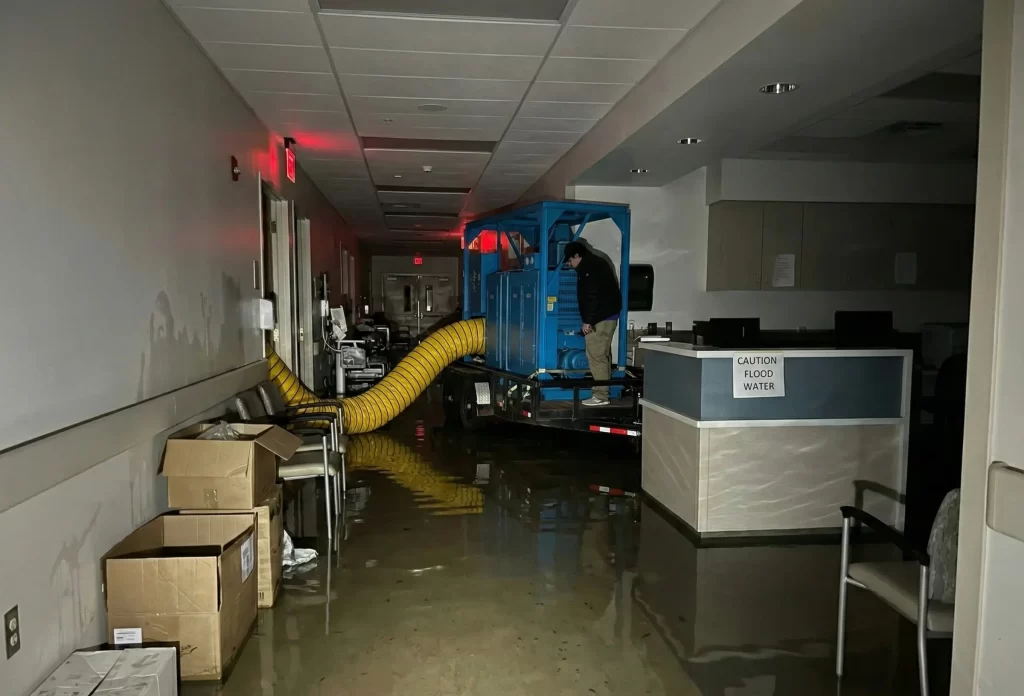
Hospital Water Damage Restoration: Infection Control and Rapid Recovery Strategies Water damage in healthcare facilities isn’t just a maintenance issue. It’s a patient safety crisis that demands immediate, specialized response. When water intrudes into hospitals, surgery centers, or medical offices, the clock starts ticking on multiple fronts: infection control, operational continuity, and regulatory compliance.Unlike standard commercial properties, hospitals operate under strict oversight from organizations like The Joint Commission and CMS. A single water event can compromise sterile environments, contaminate critical equipment, and put vulnerable patients at serious risk. That’s why water damage restoration requires expertise that goes far beyond traditional cleanup methods. Why Hospital Water Damage Is Different Healthcare facilities face unique challenges when water damage strikes. The presence of immunocompromised patients means even minor water intrusions require intensive mitigation protocols. Water can introduce or spread dangerous pathogens like Legionella, Pseudomonas, and other waterborne organisms that cause significant morbidity and mortality in vulnerable populations. Medical equipment adds another layer of complexity. Diagnostic imaging machines, laboratory analyzers, and life-support systems worth millions of dollars are extremely moisture-sensitive. Even increased humidity levels can damage sensitive electronics and render entire departments unusable. Essential Infection Control Protocols Infection control drives every decision in medical facility water damage restoration. The carefully controlled environments that protect patients must be maintained throughout the restoration process. Containment and Isolation Hospital water damage restoration requires physical barriers that exceed standard construction containment. Negative pressure systems prevent airborne contaminants from spreading to adjacent clinical spaces. HEPA filtration removes particles that could threaten immunocompromised patients. Even small gaps in containment barriers can allow moisture migration or airborne particle transmission, which is why seamless installation and regular inspection are necessary. Medical-Grade Disinfection All surfaces in affected areas require EPA-registered healthcare-grade disinfectants. Standard antimicrobial treatments used in residential settings don’t meet medical facility standards. Porous materials in clinical areas like carpet, ceiling tiles, and wall coverings often require complete removal rather than restoration because they cannot be reliably disinfected after water exposure. Common Sources of Hospital Water Damage Learning how water damage occurs helps facilities develop targeted prevention strategies. Infrastructure Failures: Aging pipe systems in older hospitals frequently fail without warning. Medical facilities operate 24/7 with constant water demand, accelerating wear on plumbing infrastructure. Pipe bursts in ceiling spaces or between floors can affect multiple departments simultaneously. Equipment-Related Events: Medical sterilization equipment, including autoclaves and washers, processes thousands of cycles annually. Equipment failures can release large volumes of hot water into adjacent spaces. Dialysis centers and imaging departments use substantial water volumes for equipment cooling, making supply line failures particularly problematic. External Intrusion: Roof failures pose significant risks due to hospitals’ typically large footprints and complex mechanical systems. Flash flooding can overwhelm ground-level entries, affecting emergency departments and loading areas. Rapid Recovery Without Compromising Care Unlike other commercial properties, medical facilities cannot simply close for restoration. Patient care continues even as restoration teams work to mitigate damage and restore affected areas. Phased Restoration Approaches Hospital water damage restoration typically occurs in phases that minimize disruption to clinical operations. Critical patient care areas receive priority attention, with restoration scheduled around clinical schedules when possible. Non-clinical spaces may be addressed during off-hours to reduce noise and disruption. Temporary relocation of departments or services may be necessary for major incidents. Facility planners work with restoration teams to identify suitable swing spaces that meet the same regulatory standards as permanent facilities. Specialized Drying Techniques Standard restoration drying techniques require modification in healthcare settings. Temperature and humidity targets in medical areas are often stricter than general commercial spaces. Operating rooms, laboratories, and pharmaceutical storage areas have specific environmental requirements that must be maintained during drying operations. Noise considerations are important in patient care areas. Traditional high-velocity air movers may be unsuitable near intensive care units or recovery areas. Healthcare restoration contractors utilize lower-noise equipment and schedule loud activities during times that minimize patient impact. Selecting Healthcare Restoration Specialists Not all restoration contractors possess the expertise required for medical facility water damage. Healthcare restoration demands specialized training and certifications that exceed general commercial restoration capabilities. Qualified contractors should maintain current training in infection control protocols and medical facility regulations. Look for certifications like the IICRC Applied Microbial Remediation Technician (AMRT), which demonstrates specialized knowledge in healthcare environments. These specialists recognize that they’re not just restoring property, they’re protecting patients. Professional healthcare restoration contractors carry appropriate insurance coverage including professional liability policies that address healthcare-specific risks. They should provide references from other medical facilities and demonstrate experience working within active healthcare environments. Prevention Strategies for Medical Facilities Proactive measures significantly reduce water damage risk. Regular infrastructure inspections identify potential failures before they cause extensive damage. Automated leak detection systems provide early warning of plumbing failures and can shut off water supply to affected areas immediately. Staff training ensures rapid response to water events. Healthcare workers should know how to shut off local water supplies and who to contact for emergency response. Regular drills prepare teams to respond effectively when incidents occur, minimizing response time and damage severity. Protect Your Healthcare Facility With Expert Restoration Hospital water damage restoration requires specialized expertise that goes beyond standard commercial cleanup. The combination of infection control requirements, operational continuity demands, and regulatory compliance makes professional healthcare restoration necessary. Express Restoration brings over 28 years of experience and IICRC AMRT certification to every healthcare project. Our team recognizes the unique challenges of hospital water damage and responds with the specialized protocols your facility requires.Don’t let water damage compromise patient safety or facility operations.Contact Express Restoration today for 24/7 emergency response and discover why Oklahoma healthcare facilities trust us for specialized restoration services.

unnamed 70
Drying and Dehumidification

Commercial Fire Damage Recovery Planning for Facility Managers

Commercial Fire Damage Recovery Planning for Facility Managers When fire strikes a commercial facility, every minute counts. Downtime costs money, displaces employees, and disrupts operations. As a facility manager, having a solid fire damage recovery plan determines whether you’re back in business within days or struggling through weeks of interruption. Commercial fire damage goes beyond what you can see. Smoke gets into HVAC systems, sprinkler water soaks through building materials, and structural problems develop that aren’t obvious at first glance. Understanding the Full Scope of Fire Damage Fire incidents create damage on multiple levels. Flames cause visible destruction, but secondary damage often costs more to fix. When firefighters put out a commercial fire, they pump hundreds of gallons of water per minute into your building. This action saves your property from total loss but creates immediate water damage problems. Materials absorb moisture fast, and mold starts growing within 24 to 48 hours if you don’t dry everything properly. Smoke damage creates another hidden threat. Soot and ash particles travel through ventilation systems and settle on surfaces throughout your facility. These residues corrode surfaces and keep damaging equipment long after the fire is out. Smoke odors get into walls, ceilings, and furnishings, and you need specialized techniques to remove them. Firefighting teams may need to cut through walls or create roof openings to let smoke out. These actions protect the larger structure but create new entry points for weather and security problems. Phase One: Immediate Emergency Response What you do first after a fire sets up everything that follows. Professional fire damage restoration starts with emergency stabilization to stop additional damage. Top priorities include securing the property with board-up services, covering exposed areas with tarps, and removing standing water. These steps need to happen within hours. Facility managers should build relationships with certified restoration companies before emergencies happen, so you have guaranteed 24/7 access when you need it. Start documenting right away. Take photos of all damage, create detailed lists of affected items, and begin your insurance claim. Professional restoration teams use moisture meters and thermal imaging to find hidden damage you can’t see. Phase Two: Assessment and Restoration After you control immediate threats, detailed assessment shows you the full scope of restoration work needed. Certified technicians inspect structural elements like load-bearing walls, roof systems, and foundations. Fire and water exposure can weaken structural integrity even when damage isn’t visible. HVAC systems need special attention. Smoke travels through ductwork and leaves corrosive residues throughout your ventilation network. If you don’t clean these systems properly, odor problems persist and create health concerns for people in the building. The restoration phase brings your facility back to its condition before the fire through systematic cleanup. Removing smoke and soot requires industrial air scrubbers, HEPA filtration, and antimicrobial treatments. Thermal fogging and ozone treatments eliminate stubborn smoke odors at the molecular level. Mold prevention becomes necessary after water exposure. Professional teams set up containment barriers, remove affected materials, and treat surfaces with antimicrobial solutions. Building a Fire Recovery Plan Before Disaster Strikes Planning ahead cuts recovery time and reduces fire damage impact. Facility managers should develop emergency response plans that spell out specific actions, responsibilities, and resources. Your plan should list pre-approved restoration contractors with 24/7 availability. Research companies now and build relationships before you need emergency services. Check their certifications, insurance, and experience with commercial properties like yours. Document your facility completely with current photos, equipment lists, and asset values. Store these records off-site or in cloud-based systems you can access during emergencies. This documentation speeds up insurance claims. Run regular facility inspections focused on fire risks. Keep smoke detection systems, fire suppression equipment, and electrical systems maintained according to specifications. Train your team on emergency procedures including evacuation routes, communication methods, and initial response steps. Everyone should know who to contact right after a fire happens. The Value of Professional Fire Damage Restoration Commercial fire recovery requires specialized knowledge and equipment. Professional restoration teams respond fast, work efficiently, and know how to handle insurance processes. Certified restoration professionals use industrial-grade equipment built specifically for fire and smoke damage remediation. Their training covers proper safety protocols and advanced restoration techniques that save materials instead of replacing them. Working with experienced restoration contractors makes insurance claims simpler. These professionals document damage thoroughly, talk directly with adjusters, and provide detailed estimates. Time matters most after fire damage. Professional restoration reduces downtime, stops secondary damage, and gets your facility back to full operation faster. Protect Your Facility with Expert Fire Damage Restoration Fire damage recovery demands quick action and specialized expertise. Express Restoration provides complete fire damage restoration services throughout Edmond, OK and surrounding areas. Our certified technicians respond 24/7 with advanced equipment to restore your commercial property quickly and completely. From emergency stabilization through final reconstruction, we handle every part of fire damage recovery. Don’t wait for disaster to strike. Contact Express Restoration at (405) 922-8891 or visit expressrestoration.net to discuss fire recovery planning for your facility.

image 7
Drying and Dehumidification

What Is Dehumidification and Why Is It Important for Your Home?

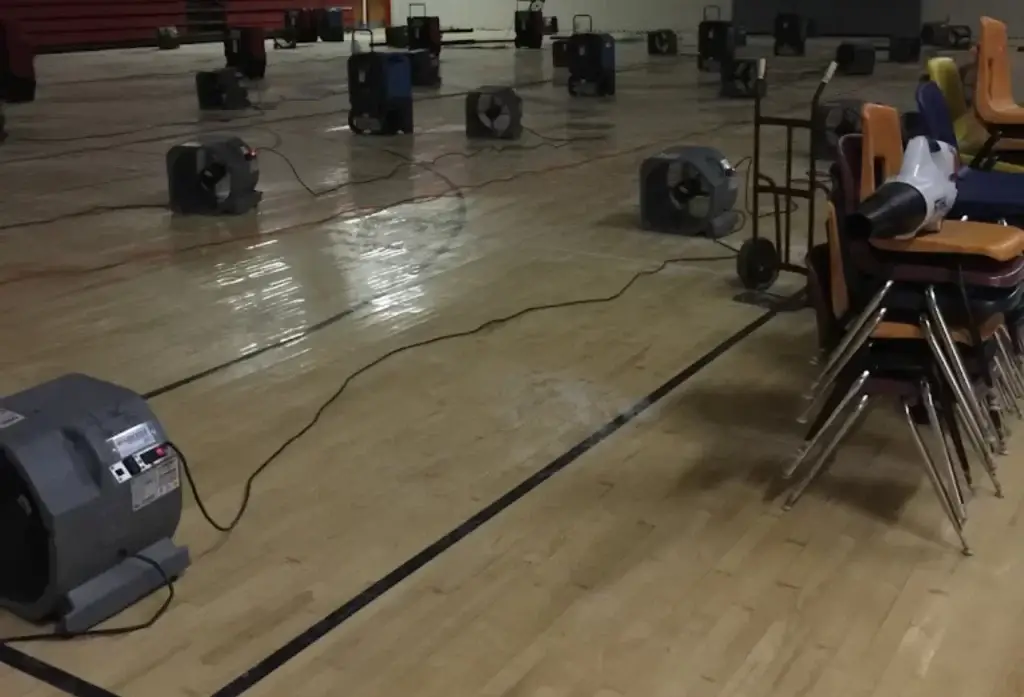
What Is Dehumidification and Why Is It Important for Your Home? When water finds its way into a building, the visible puddles are only part of the story. Moisture migrates into drywall, subfloors, insulation, and trim, where it quietly fuels mold, swells wood fibers, corrodes metals, and undermines finishes. Drying and dehumidification are the engines that pull that hidden moisture back out in a controlled, measurable way. By shaping temperature, airflow, and humidity to favor evaporation—and then capturing that vapor—dehumidification turns a wet, unstable environment into one that is clean, dry, and ready for rebuilding. Why Dehumidification Matters in the First 48 Hours The earliest hours after a leak, overflow, or storm intrusion determine whether a project remains a limited repair or spirals into a costly remediation. Without dehumidification, moisture lingers in cavities and coatings, allowing microbes to activate and materials to distort. Introducing dehumidification quickly reduces the total drying load, prevents “category creep” when clean intrusions become contaminated, and keeps indoor air quality stable for occupants and crews. In short, faster setup means fewer tear-outs, fewer surprises, and a cleaner paper trail for insurance. Dehumidification and the Science of Drying Drying is a balancing act between air conditions and material moisture. Dehumidification lowers ambient humidity so evaporated water has somewhere to go, while controlled heat and airflow encourage moisture to move out of wet substrates. When these variables are tuned together, materials release water efficiently without warping or trapping vapor in the wrong layer. The result is predictable progress you can verify with instruments rather than guesswork. Vapor Pressure and Equilibrium Moisture moves from areas of higher vapor pressure to lower pressure. Dehumidification lowers vapor pressure in the air so materials off-gas moisture instead of reabsorbing it. Temperature and Airflow Moderate warmth and directed airflow thin the boundary layer on wet surfaces. This speeds evaporation but must be paired with dehumidification so humidity does not rebound. Choosing Between Refrigerant and Desiccant Dehumidification Not all machines handle moisture the same way. Refrigerant dehumidifiers condense water by chilling air below its dew point, while desiccant units use moisture-loving media to pull vapor even from cool, dry air streams. Selecting the right approach—sometimes a combination—keeps the job in the optimal drying window regardless of season, altitude, or building constraints. When to Use Refrigerant In warm, moderately humid interiors, refrigerants remove large volumes of moisture efficiently. They shine during early phases when evaporation loads are high. When to Use Desiccant In cool climates, dense assemblies, or low-temperature starts, desiccants maintain strong drying even when refrigerants struggle. They also excel in long ducted setups. Dehumidification for Different Building Materials Every substrate stores and releases moisture differently. Dehumidification works best when paired with tactics tailored to the material’s permeability, thickness, and sensitivity to heat or airflow. Matching the method to the material prevents unnecessary demolition and protects finishes. Drywall and Insulation Gypsum wicks quickly and loses strength when saturated; wet insulation traps vapor. Opening targeted cavities and maintaining dehumidification prevents lingering odor and sag. Hardwood and Subfloors Wood holds bound water that releases slowly. Floor mats, gentle heat, and steady dehumidification avoid cupping or crowning while protecting fasteners and adhesives. Concrete and Masonry These dense materials emit moisture long after surfaces feel dry. Extended dehumidification and vapor checks avert flooring failures and adhesive breakdown. Hidden Cavities and Targeted Dehumidification Moisture loves voids: behind baseboards, under toe-kicks, inside wall chases, and above ceilings. Dehumidification paired with strategic access—vent holes, manifolded ducting, and cavity drying—removes trapped vapor without wholesale tear-out. Instruments guide where to open and when to close, so the building dries thoroughly rather than cosmetically. Finding What You Can’t See Thermal imaging and non-invasive meters reveal damp zones that look normal. This data points dehumidification where it matters most. Limiting Collateral Mess Containment and negative pressure keep dust and humidity inside the work zone. Clean rooms stay clean, and post-mitigation cleanup is lighter. Dehumidification for Indoor Air Quality and Safe Workflows As materials evaporate, humidity and particulates rise. Dehumidification keeps humidity in check, while filtration and pressure control keep particles from migrating into unaffected rooms. These steps protect occupants, safeguard sensitive equipment, and maintain a healthier environment for crews. Filtration and Odor Management HEPA filtration captures fine debris as dehumidification lowers moisture that feeds odors. Source removal always beats heavy fragrance cover-ups. Pressure and Pathways Maintaining slight negative pressure inside the work zone prevents cross-contamination. Door zippers and airlocks manage traffic without spreading dust. Monitoring, Documentation, and Insurance Alignment Through Dehumidification Good paperwork is as important as good equipment. Accurate meter readings, psychrometric logs, and daily photos show that dehumidification is doing its job. This record justifies equipment counts, explains selective removal, and supports approvals for the rebuild scope. Daily Logs and Targets Tracking ambient humidity, temperature, and material moisture proves progress. Clear endpoints prevent premature closure and expensive callbacks. Photo Evidence and Chain of Custody Before-during-after images, debris documentation, and signed authorizations keep claims organized. Everyone can see what was done and why. Energy, Power, and Placement Considerations for Dehumidification Running multiple machines requires safe power distribution and intelligent layout. Balanced circuits, tidy cord routing, and unobstructed airflow keep equipment efficient and reduce trip hazards. Good placement also shortens drying time, which cuts energy use and total runtime. Electrical Load Planning Mapping circuits avoids nuisance trips and downtime. Dedicated runs for high-draw devices keep the system stable. Airflow Without Short-Cycling Air movers should sweep surfaces—not blow directly into dehumidifier intakes. Proper spacing avoids recirculating already-dried air. Dehumidification in Occupied Homes and Businesses Not every project can shut down operations. With containment, scheduled equipment checks, and noise-aware placement, dehumidification can run while families live and staff work. Clear communication on pathways, door etiquette, and equipment touchpoints keeps everyone safe and the project on schedule. Comfort and Continuity Routing cords neatly and staging machines away from desks or bedrooms preserves routine. Regular check-ins reduce anxiety and interruptions. Protecting Sensitive Areas Server rooms, pharmacies, and labs demand extra caution. Dehumidification and filtration plans should be vetted

image 4
Fire Damage Restoration

How Water Damage Mitigation Prevents Mold, Rot, and Structural Damage

How Water Damage Mitigation Prevents Mold, Rot, and Structural Damage When water intrudes into a home or business, the most expensive problems rarely appear on day one. They emerge days or weeks later as hidden moisture feeds mold, weakens structural members, and warps finishes. Effective water damage restoration interrupts that chain reaction by stopping the source, extracting liquid water, controlling humidity, and driving moisture out of materials safely. Done correctly, it protects health, preserves more building components, and shortens the road to a clean, fully functional space. Why Water Damage Mitigation Matters Within the First 24 Hours The first day sets the trajectory for everything that follows. Standing water wicks into drywall, trim, subfloors, and framing, moving from visible puddles into pores and joints where it becomes harder to remove. Rapid water damage mitigation limits that migration and reduces the overall drying load, which is the amount of moisture that must be evaporated and dehumidified. Swift action also minimizes the chance that clean intrusions escalate into contamination problems, maintains better indoor air quality, and prevents minor repairs from ballooning into demolition. By stabilizing conditions early, you protect both the structure and your claim outcome, because thorough documentation begins at the same time as the physical work. The Mold Equation in Water Damage Mitigation Unchecked moisture plus time equals microbial growth, and the timeline is shorter than most people expect. Water damage mitigation keeps humidity and material moisture below thresholds that allow spores to colonize, denying mold the environment it needs to expand. Spore Activation Basics Most interior spaces contain dormant spores that remain harmless until they find moisture and a food source. Drying quickly removes the trigger, so spores cannot germinate and spread. Moisture, Heat, and Time Warm temperatures accelerate growth when wet materials remain above safe moisture content. Controlling humidity and surface dampness breaks this cycle before colonies take hold. How Water Damage Mitigation Prevents Rot and Decay Wood is strong for its weight because of the bonds within its cellulose and lignin. Persistent moisture disrupts those bonds and invites decay organisms that digest structural fibers, first softening and then weakening members. By extracting water and drying assemblies to target moisture levels, mitigation denies fungi the prolonged dampness needed to thrive. This preserves shear strength at connections, keeps fasteners seated, and prevents sagging, racking, and door or window misalignment. The result is less structural repair, fewer invasive replacements, and a safer building envelope that continues to perform as designed. Structural Drying in Water Damage Mitigation Drying is both a science and a sequence. The goal is to create a controlled environment where moisture moves from wet materials into air that can actually hold it, and then remove that vapor continuously until targets are reached. Airflow Placement Air movers sweep damp boundary layers off surfaces so water can evaporate efficiently. Positioning follows the wettest paths and avoids blasting air into clean rooms that do not need it. Dehumidification and Heat Dehumidifiers capture vapor so humidity does not rebound and re-wet surfaces. Gentle heat raises evaporation rates without driving moisture deeper into dense materials. Measurement and Monitoring Moisture meters and daily readings confirm progress and expose hidden pockets. Adjusting equipment based on data speeds completion and prevents premature rebuilds. Water Damage Mitigation for Different Building Materials No two materials dry the same way, and treating them as if they do leads to delays and damage. Matching tactics to substrates keeps assemblies intact while returning them to safe, stable moisture levels. Drywall and Insulation Gypsum wicks quickly and loses strength when saturated, and wet insulation can trap vapor. Strategic removal allows cavities to ventilate and prevents long-term odor and sag. Hardwood and Subfloors Wood stores bound water that releases slowly, so controlled heat and floor mats help pull moisture to the surface. Careful pacing avoids cupping, crowning, and fastener corrosion. Concrete and Masonry Dense materials release moisture over time even after surfaces seem dry. Vapor checks and extended dehumidification avert flooring failures and adhesive breakdown. Hidden Moisture and Water Damage Mitigation in Cavities The most stubborn moisture hides behind baseboards, under toe-kicks, and inside wall and ceiling cavities. Water damage mitigation opens strategic access points to relieve trapped vapor, using vent holes, plenum drying, and directed airflow to move moisture out without dismantling entire assemblies. Thermal imaging and non-invasive meters help locate damp zones that look normal to the eye, while containment keeps particles and humidity from migrating into clean areas. Addressing concealed moisture protects indoor air quality and prevents mold and odor that would otherwise resurface after cosmetic repairs. Indoor Air Quality During Water Damage Mitigation Drying work changes the air as water evaporates and materials are cleaned or removed. Managing that air is critical to health and project success, because poor handling lets dust and spores travel where they should not. Containment and Pressure Plastic barriers and negative pressure isolate the work zone so particles do not escape. This approach keeps adjacent rooms usable and reduces cleanup at the end. Filtration and Odor Control HEPA filtration captures fine debris, while source removal handles smells more effectively than cover-ups. Balanced ventilation clears residual humidity and leaves spaces fresh. Documentation and Insurance Alignment for Water Damage Mitigation Transparent records are as protective as pumps and fans. Photos, moisture maps, and equipment logs show why certain materials were removed, how drying was achieved, and when targets were met. This evidence supports an accurate scope, helps coordinate with adjusters, and prevents disputes about cause, coverage, or completion. When contractors tie their plan to recognized practices, they create a defensible path from emergency response to rebuild, which keeps timelines predictable and approvals moving. Contents Restoration as Part of Water Damage Mitigation Buildings are only half the story; belongings carry both practical and sentimental value. The mitigation plan sorts items by material, exposure, and value to decide what to remove, what to clean in place, and what to restore off-site. Porous goods that contacted contaminated water often cost more to salvage than to replace, while

Scroll to Top