Uncategorized

How You Can Keep Your Property Safe From Fire Damge
Uncategorized

How You Can Keep Your Oklahoma City Property Safe From Fire Damage?

How You Can Keep Your Oklahoma City Property Safe From Fire Damage? You can keep your Oklahoma City property safe from fire damage by reducing ignition risks, maintaining electrical and heating systems, creating defensible space around your home, installing early warning devices, and having a clear emergency and restoration plan in place. Fire safety starts with prevention, continues with preparation, and depends on fast action if a fire occurs. Oklahoma City homeowners face specific fire risks linked to dry, windy conditions, lightning storms, aging electrical systems, and heavy use of heating and cooling equipment. Whether you own a home, rental property, or commercial building, a proactive strategy can significantly reduce damage and protect lives. Below is a practical, locally focused guide to help you safeguard your Oklahoma City property from fire damage. Understand Fire Risks in Oklahoma City Fire prevention begins with knowing what commonly causes property fires in central Oklahoma. 1. Severe Weather and Lightning Oklahoma is known for intense storms. Lightning strikes can ignite roofs, attics, and nearby trees. During dry periods, even a small spark can spread quickly due to wind. 2. Wildland Urban Interface Areas Properties near open fields, wooded lots, or undeveloped land are more exposed to grass and brush fires. High winds in Oklahoma County can rapidly push flames toward homes and commercial buildings. 3. Electrical System Failures Older homes in Oklahoma City neighborhoods may have outdated wiring, overloaded circuits, or improper DIY modifications. Electrical faults remain a leading cause of structure fires. 4. Heating and Cooking Incidents Space heaters, fireplaces, and kitchen equipment are frequent fire sources, especially during colder months. Identifying these risks allows you to take targeted preventive steps. Strengthen Your Property Against Fire Fire protection requires both interior and exterior planning. 1. Install and Maintain Smoke Alarms Smoke alarms are your first line of defense. Install them: 1. In every bedroom 2. Outside sleeping areas 3. On every level of the property 4. In commercial spaces according to code Test alarms monthly and replace batteries twice a year. Replace units every 10 years. 2. Use Carbon Monoxide Detectors Carbon monoxide detectors help identify dangerous gas leaks from furnaces or fuel burning appliances. Many fire events begin with malfunctioning heating systems. 3. Upgrade Electrical Systems If your property is more than 20 years old, schedule a licensed electrician inspection. Warning signs include: ✓ Flickering lights ✓ Frequently tripped breakers ✓ Warm outlets ✓ Burning smells Panel upgrades and rewiring may be necessary to meet modern load demands. 4. Install Fire Extinguishers Keep multi-purpose extinguishers in: 1. Kitchen areas 2. Garages 3. Mechanical rooms 4. Commercial workspaces Ensure everyone knows how to use them correctly. Protect the Exterior of Your Property Outdoor fire prevention is especially important in Oklahoma’s dry and windy seasons. 1. Maintain Defensible Space Clear at least 30 feet around your property by: ✓ Removing dead vegetation ✓ Trimming tree branches away from the roof ✓ Keeping grass short ✓ Storing firewood away from structures This reduces the chance of flames reaching your home. 2. Clean Gutters Regularly Dry leaves and debris in gutters can ignite from embers or lightning strikes. Clean gutters at least twice a year, more often during fall. 3. Use Fire Resistant Materials When repairing or renovating, consider: ✓ Class A fire-rated roofing materials ✓ Non-combustible siding ✓ Metal or fire-resistant fencing Small upgrades can limit structural spread during a fire. Create a Fire Safety Plan Preparation saves time and reduces panic during an emergency. 1. Develop an Evacuation Plan Every household or business should have: 1. Two exit routes from each room 2. A designated meeting location 3. Emergency contact numbers 4. A plan for pets Practice the plan twice a year. 2. Secure Important Documents Store vital records such as insurance policies, property deeds, and IDs in a fire-resistant safe or digital cloud storage. 3. Review Insurance Coverage Confirm your policy covers: ✓ Structure damage ✓ Smoke damage ✓ Water damage from firefighting efforts ✓ Temporary relocation costs Many property owners only realize coverage gaps after a loss occurs. Fire Prevention for Commercial Properties in Oklahoma City Business owners face additional responsibilities. 1. Comply With Local Fire Codes Work with the Oklahoma City Fire Marshal to ensure your building meets code requirements for: 1. Sprinkler systems 2. Fire suppression systems 3. Exit signage 4. Emergency lighting 2. Maintain HVAC and Mechanical Equipment Restaurants, warehouses, and industrial facilities must inspect ventilation and grease systems regularly. Grease buildup is highly flammable. 3. Train Employees Provide fire extinguisher training and evacuation drills. Clear roles reduce confusion during emergencies. What To Do Immediately After a Fire Even small fires can cause hidden structural damage and smoke contamination. ✓ Contact emergency services if the fire is still active. ✓ Avoid entering the property until it is declared safe. ✓ Document damage for insurance claims. ✓ Contact a professional fire damage restoration company. Smoke residue, soot, and water from firefighting efforts can cause secondary damage if not addressed quickly. If your Oklahoma City property has experienced fire damage, the team at Express Restoration can assess structural safety, remove debris, eliminate smoke odors, and begin the recovery process. A quick response reduces long term damage and restoration costs. The Importance of Professional Fire Damage Restoration Fire damage is more complex than visible burn marks. It often includes: 1. Structural weakening 2. Smoke infiltration in walls and insulation 3. Corrosive soot deposits 4. Water saturation from firefighting Professional restoration includes: 1. Structural stabilization 2. Soot and smoke removal 3. Odor neutralization 4. Content cleaning and pack out 5. Full reconstruction if necessary Express Restoration works with Oklahoma City property owners to restore homes and businesses safely and efficiently after fire events. Their local experience with Oklahoma weather and building structures allows them to respond with appropriate methods and equipment. Seasonal Fire Safety Tips for Oklahoma City 1. Spring and Summer ✓ Monitor burn bans ✓ Avoid outdoor burning during high wind days ✓ Store gasoline properly ✓ Maintain landscaping 2.
Insurance Cover Water Damage Restoration For Oklahoma City Businesses
Uncategorized

Does Insurance Cover Water Damage Restoration For Oklahoma City Businesses?

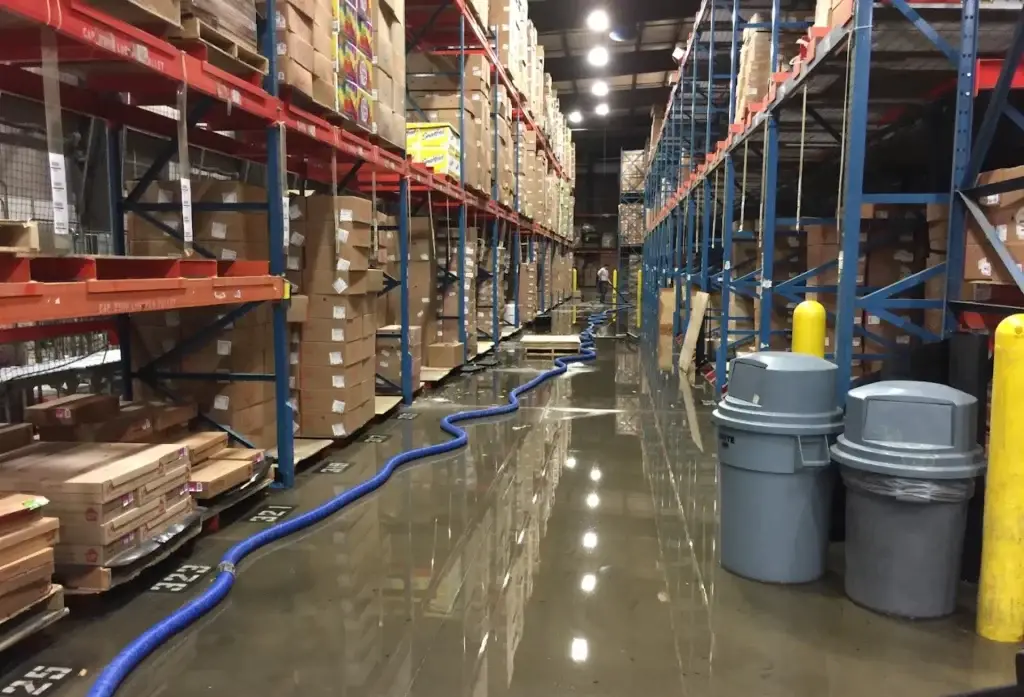
Does Insurance Cover Water Damage Restoration For Oklahoma City Businesses? When water floods your Oklahoma City office or warehouse, you’re facing two urgent questions: How fast can I get this fixed, and will my insurance pay for it? The good news is that most commercial property insurance policies cover sudden water damage events. The challenging part is knowing exactly what’s covered, what documentation you need, and how to navigate the claims process without leaving money on the table. Understanding your coverage before disaster strikes can mean the difference between a smooth recovery and a financial nightmare for your business. What Types of Water Damage Does Commercial Insurance Typically Cover? Most standard commercial property insurance policies in Oklahoma cover what insurers call “sudden and accidental” water damage. These are unexpected events that many Oklahoma City businesses commonly face. Common Covered Water Damage Scenarios 1. Burst pipes One of the most frequent claims. Freezing temperatures or aging plumbing can cause pipes to rupture, flooding your property within minutes. Insurance typically covers both structural damage and affected contents. 2. Roof leaks from storm damage Severe weather can damage shingles, flashing, or other roofing components, allowing water to enter your building. If the damage is caused by a storm, the resulting water intrusion is usually covered. 3. HVAC system failures Malfunctioning air conditioning units can leak water into ceilings and walls. When the issue is sudden and unexpected, your policy generally provides coverage. 4. Sprinkler system malfunctions Accidental activation or system failure in fire sprinklers can damage inventory and equipment. Most commercial policies include coverage for this type of incident. Key Coverage Areas in Your Policy 1. Building coverage Covers structural repairs such as drywall, flooring, and ceilings. 2. Contents coverage Protects equipment, furniture, inventory, and important documents. 3. Business interruption coverage May compensate for lost income if your operations are temporarily shut down due to water damage.  What Water Damage Exclusions Should Oklahoma City Businesses Know About? Not all water damage is covered by insurance, so understanding common exclusions can help you plan better protection and avoid costly surprises: ✓ Flood damage requires separate coverage Standard commercial policies typically exclude flooding from external sources such as rising rivers, storm surge, or heavy rainfall that overwhelms drainage systems. Businesses in flood-prone areas should consider a dedicated flood insurance policy. ✓ Gradual damage isn’t covered Damage caused by long-term neglect, like an ongoing leak left unaddressed for months, is usually denied. Insurers expect regular maintenance and timely repairs. ✓ Sewer and drain backups may need an endorsement Damage from sewer system backups, especially during heavy storms, is often excluded unless you’ve added specific coverage. This is particularly important for older commercial properties. ✓ Groundwater seepage is typically excluded Water entering through foundations or underground sources is not usually covered under standard policies. Separate endorsements or policies may be required for this risk. Understanding these exclusions allows you to take preventive measures and ensure you have the right coverage in place. What Documents Do You Need for a Commercial Water Damage Insurance Claim? Proper documentation is one of the most important factors in getting your Oklahoma City commercial water damage claim approved quickly and paid fairly. Incomplete records can delay settlement or reduce your payout. Here is a clear checklist of what your business should gather immediately after discovering water damage. 1. Insurance Policy and Declarations Page Keep a copy of your full commercial property insurance policy and declarations page. This outlines your coverage limits, deductibles, endorsements, exclusions, and business interruption provisions. Having this ready helps you understand exactly what applies to your claim. 2. Photo and Video Evidence Take clear, time-stamped photos and videos before any cleanup begins. Document: ✓ The source of the water if visible ✓ Standing water levels ✓ Damaged walls, ceilings, flooring, and fixtures ✓ Affected inventory, furniture, and equipment ✓ Exterior damage such as roof or storm impact Comprehensive visual documentation supports your claim and prevents disputes about the extent of loss. 3. Detailed Inventory of Damaged Property Create a written list of all damaged items, including: 1. Equipment and machinery 2. Office furniture 3. Inventory and stock 4. Electronics and technology 5. Important documents Include item descriptions, approximate purchase dates, original costs, and estimated replacement values whenever possible. 4. Proof of Ownership and Value Gather supporting financial documents such as: ✓ Purchase receipts ✓ Vendor invoices ✓ Credit card or bank statements ✓ Lease agreements for equipment ✓ Asset depreciation schedules If receipts are unavailable, provide maintenance records, warranty documents, or pre-loss photos showing the items in use. 5. Professional Restoration Reports Work with a licensed water damage restoration company to obtain: 1. Moisture readings and drying logs 2. Scope of work documentation 3. Equipment placement records 4. Itemized repair estimates Insurers rely heavily on professional reports to validate the extent of structural and content damage. 6. Mitigation Expense Receipts Most commercial policies require you to take reasonable steps to prevent further damage. Save receipts for: ✓ Emergency water extraction ✓ Temporary roof tarping ✓ Boarding or security services ✓ Equipment rentals ✓ Temporary relocation expenses These costs are often reimbursable under your policy. 7. Business Interruption Documentation If your operations are affected, collect: 1. Profit and loss statements 2. Tax returns 3. Payroll records 4. Ongoing fixed expense documentation 5. Sales reports from previous comparable periods This information supports lost income calculations under your business interruption coverage. 8. Communication Records Maintain a log of all communication with your insurance company, including: ✓ Claim number ✓ Adjuster contact information ✓ Email correspondence ✓ Notes from phone calls ✓ Written settlement offers Clear records help protect your business if disputes arise during the claims process. Having these documents organized and ready significantly increases the likelihood of a smooth and fully compensated claim. The more thorough your documentation, the stronger your position during negotiations with your insurer. How Does the Commercial Water Damage Claims Process Work in Oklahoma? 1. Immediate Notification Contact your insurance company within 24 hours of discovering

What To Do Immediately After a Fire in Your Commercial Property In Oklahoma City
Uncategorized

What To Do Immediately After a Fire in Your Commercial Property In Oklahoma City

What To Do Immediately After a Fire in Your Commercial Property In Oklahoma City A fire in your commercial property is one of the most devastating emergencies a business owner can face. The moments immediately following a fire are critical for safety, minimizing damage, and expediting recovery. Knowing what steps to take can make all the difference in protecting your business and getting operations back on track. Here’s your step-by-step guide to handling the immediate aftermath of a commercial fire. 1. Ensure Everyone’s Safety First 1. Confirm all employees, customers, and visitors have evacuated and are accounted for 2. Do not allow anyone to re-enter until fire officials declare it safe 3. Be aware of hidden dangers even after flames are out: ✓ Compromised structural integrity ✓ Hidden hot spots ✓ Hazardous smoke residue ✓ Weakened floors and risk of ceiling collapse ✓ Toxic fumes 4. When you do re-enter, wear protective gear, gloves and a breathing mask to shield from soot and harmful particles 2. Contact Your Insurance Provider Right Away 1. Call your insurance company immediately, most commercial policies have strict reporting timelines 2. Delays can complicate your claim or slow down compensation 3. When you call, be ready to share: ✓ Extent of the damage ✓ Estimated losses ✓ Any immediate risks to the property 4. Ask about documentation requirements and adjuster availability 5. Quick action here can save business owners weeks of stress 3. Understand Business Interruption & Financial Recovery Many business owners overlook business interruption coverage, review it as part of your claim. Business interruption insurance may cover: ✓ Lost income during temporary closure ✓ Payroll expenses for employees ✓ Lease or mortgage payments ✓ Taxes and ongoing operational costs ✓ Temporary relocation expenses To qualify and speed up reimbursement: ✓ Ask your insurer specifically about business interruption benefits and required documentation ✓ Provide financial statements, prior tax returns, payroll records, and projected revenue reports ✓ Track all fire-related expenses separately, keep receipts for emergency repairs, temporary office space, equipment rentals, and cleanup services Working with a restoration company experienced in commercial losses can further streamline documentation and coordination with your insurer, protecting your financial stability during downtime. 4. Document Everything You Can Thorough documentation is your protection during the claims process. 1. Use your phone to take detailed photos and videos of all affected areas 2. Capture: ✓ Fire damage and smoke stains ✓ Water damage from firefighting efforts ✓ Structural concerns ✓ Small details like soot on walls, damaged equipment, or lost inventory 3. Make written lists of everything affected 4. Label your photos for easy reference when working with your insurance adjuster 5. Secure Your Property from Further Damage Fire-damaged properties are vulnerable to weather, intruders, and additional harm. ✓ Board up broken windows and doors ✓ Cover damaged roofing with tarps to prevent water intrusion ✓ Set up temporary fencing if needed ✓ Shut off gas, water, and electricity if they were affected: 1. Damaged utility lines can cause gas leaks or electrical sparks 2. If unsure how to do this safely, call your local utility companies Taking these steps also shows your insurer that you’re acting responsibly to minimize further loss. 6. Bring in Professional Fire Damage Restoration Experts This is one of the most important calls you’ll make. Fire damage goes far beyond what’s visible: ✓ Smoke and soot penetrate deep into walls, HVAC systems, and hidden spaces ✓ Water from firefighting efforts can lead to mold growth within 24-48 hours Professional restoration teams handle: ✓ Smoke cleanup and soot removal ✓ Odor elimination ✓ Structural drying ✓ Direct coordination with your insurance company Acting quickly minimizes long-term damage, gets your doors open sooner, and means less lost revenue and fewer disruptions for your team and customers. 7. Keep Your Team and Customers Informed Communication is often overlooked in the chaos, but it’s essential. For your employees: 1. Let them know what’s happening 2. Clarify whether they should report to work 3. Share a realistic timeline for returning to normal For customers and vendors: ✓ Send updates via email, social media, or phone calls ✓ Explain what happened, what you’re doing, and when you expect to reopen ✓ Transparency protects your reputation during a difficult time Best practice: Designate one person to handle all communication so your message stays consistent. Get Your Business Back on Track The hours after a fire are overwhelming, but you don’t have to go through them alone. By prioritizing safety, acting quickly with your insurance provider, documenting everything, securing your property, and partnering with experienced restoration professionals, you’re setting your business up for a full recovery. Express Restoration has spent over a decade helping Oklahoma City business owners recover from fire damage. We understand the pressure you’re under, and we’re here to make the process as straightforward as possible. If your commercial property has experienced fire damage, don’t wait. Contact Express Restoration today at (405) 922-8891 for immediate 24/7 fire damage restoration service – We’ll help you restore more than property. Frequently Asked Questions 1. How soon can I re-enter my commercial property after a fire? You should only re-enter your building after the Oklahoma City Fire Department has officially declared it safe. Even if the flames are out, structural instability, hidden hot spots, and lingering smoke contaminants can pose serious risks. Always wait for clearance and wear appropriate protective gear if permitted to enter. 2. How long does commercial fire damage restoration take? The timeline depends on the extent of the fire, smoke, and water damage. Minor damage may take several days to clean and restore, while severe structural damage can take weeks or longer. A professional assessment from a qualified restoration company like Express Restoration will provide a clear scope of work and estimated timeline. 3. Will my insurance cover fire damage to my business? Most commercial property insurance policies cover fire damage, including structural repairs, contents restoration, and sometimes business interruption losses. However, coverage details vary. It is important to

How Long Does Water Damage Restoration Take
Uncategorized

How Long Does Water Damage Restoration Take

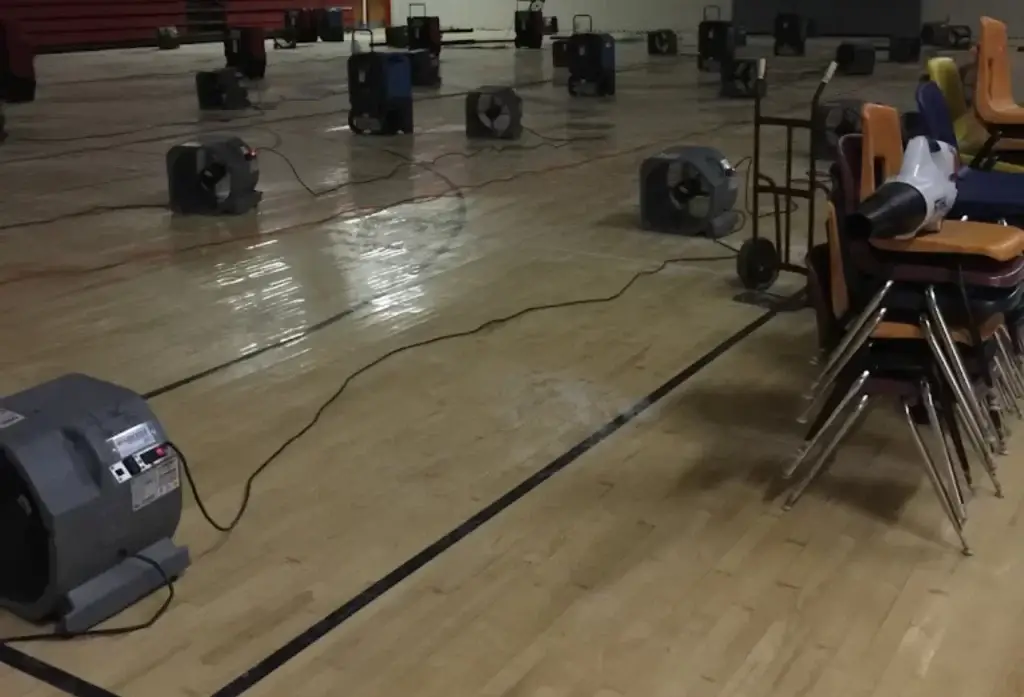
How Long Does Water Damage Restoration Take Water damage restoration usually takes three days to several weeks, depending on how much water is involved, where it spreads, and how quickly professional help begins. Based on on-site restoration work across Oklahoma, most residential water damage projects follow a predictable timeline when handled by certified technicians using professional drying equipment. Minor clean water damage may be resolved in a few days, while severe flooding affecting walls, flooring, and structural materials can take weeks to fully restore. In Oklahoma, where storms and flash flooding are common, response time and local conditions play a major role in the overall timeline. What determines the restoration timeline? No two water damage situations are exactly the same. Several factors influence how long restoration will take, and understanding them helps set realistic expectations. ✓ Category of water Clean water from a burst pipe is easier and faster to remediate than grey or black water from appliances, sewage backups, or floodwater. Contaminated water requires additional safety steps, disposal, and sanitation, which adds time. ✓ Extent of damage  Water confined to a small area like a bathroom or laundry room can be dried quickly. When water spreads through multiple rooms, seeps into drywall, insulation, or subflooring, or reaches electrical systems, restoration becomes more complex. ✓ Materials affected  Hard surfaces such as tile and concrete dry faster. Porous materials like carpet, padding, wood, and drywall absorb moisture and often need extended drying or replacement. Oklahoma homes with slab foundations or crawl spaces may also need extra attention. ✓ Speed of response The sooner restoration starts, the shorter the process. Water left standing for more than 24 to 48 hours can lead to mold growth and structural weakening. Calling a local professional like Express Restoration right away can significantly reduce downtime and repair costs. Typical stages of water damage restoration and timeframes While every project differs, most follow a similar process. ✓ Emergency response and inspection: same day  Technicians assess the source of water, stop further intrusion, and document damage. Moisture meters and thermal imaging help identify hidden water. This step usually happens within hours of the initial call. ✓ Water extraction: 1 to 2 days Industrial pumps and vacuums remove standing water. In cases of heavy flooding from Oklahoma storms, extraction may take longer due to volume and debris. ✓ Drying and dehumidification: 3 to 7 days High-powered air movers and dehumidifiers dry affected areas. Daily monitoring ensures moisture levels are dropping safely. This phase often takes the longest, especially in humid conditions. ✓ Cleaning and sanitising: 1 to 3 days Surfaces, belongings, and air are cleaned to remove contaminants and odours. Antimicrobial treatments are applied when necessary. ✓ Repairs and restoration: several days to weeks Minor repairs like replacing drywall or baseboards may be quick. Larger rebuilds involving flooring, cabinetry, or structural elements can extend the timeline. If you are unsure what stage your property is in, a soft conversation with Express Restoration can help clarify next steps and expected timeframes. How Oklahoma weather affects restoration time Restoration timelines in Oklahoma are influenced by regional factors such as spring tornado season, Red River flooding, and sustained summer humidity, all of which are routinely assessed during professional moisture mapping. Oklahoma’s climate plays a role in drying and repairs. High humidity, spring storms, and summer heat can slow evaporation and increase moisture retention inside buildings. Flood-prone areas may also require additional inspections to ensure foundations and framing are safe. Local experience matters, which is why working with an Oklahoma-based team is so important. Homeowners often find that Express Restoration understands regional weather patterns and adjusts drying strategies accordingly, helping avoid unnecessary delays. Can restoration be done while staying in the home? In many cases, yes. If damage is limited to certain rooms and there are no health risks, occupants can remain on-site. However, widespread water damage, sewage exposure, or electrical hazards may require temporary relocation. Restoration teams will advise based on safety and comfort. Why professional restoration saves time DIY cleanup may seem faster at first, but hidden moisture can cause long-term issues like mold and warped materials. Professional equipment, trained technicians, and structured processes shorten the overall timeline by preventing setbacks and repeat work. Contact Express Restoration, your water damage restoration experts in edmond, OK, offers fast professional repairs and restoration service across Oklahoma city. Our Professional water damage restoration follows IICRC industry standards for water extraction, structural drying, and sanitation, helping ensure work is completed safely and documented correctly for insurance purposes.

Professional Restoration Is Crucial For Water Damage
Uncategorized

Why Professional Restoration Is Crucial For Water Damage

Why Professional Restoration Is Crucial For Water Damage Professional restoration is crucial for water damage because it addresses hidden moisture, prevents long term structural issues, and reduces health risks that basic cleanup cannot solve. After responding to water damage calls across Oklahoma homes affected by flash floods, frozen pipes, and appliance leaks, our team has seen how quickly untreated moisture leads to structural and health problems. In Oklahoma, where flash floods, heavy storms, burst pipes, and appliance failures are common, water damage can spread quickly through walls, floors, and foundations. Without trained intervention, what looks like a minor issue can turn into mold growth, weakened materials, and costly repairs. Water damage is more than surface-level cleanup Many property owners attempt to handle water damage with shop vacs, fans, or household dehumidifiers. While this may remove visible water, it rarely solves the deeper problem. Water travels into drywall, insulation, subfloors, and framing. In Oklahoma homes with slab foundations or crawl spaces, moisture can remain trapped for weeks. Professional restoration teams use moisture detection tools to locate water you cannot see. This step is essential because trapped moisture can cause wood rot, corrosion, and ongoing damage long after the initial event. Calling Express Restoration early can help stop that chain reaction before it spreads. Preventing mold growth in Oklahoma’s climate Oklahoma’s humidity and temperature swings create ideal conditions for mold. mold can begin growing within 24 to 48 hours after water intrusion. Once established, it spreads quickly and becomes harder and more expensive to remove. Professional restoration focuses on rapid drying and controlled humidity. Industrial air movers and commercial grade dehumidifiers are designed to dry structures evenly, not just the air. This approach reduces the risk of mold colonies forming behind walls or under flooring. If you want to reduce future repair costs and protect indoor air quality, a professional assessment from Express Restoration is a smart early step. Protecting structural integrity Water weakens building materials over time. Drywall loses strength, wood swells and warps, and adhesives break down. In severe cases, flooring separates, cabinets loosen, and ceilings sag. Professionals understand how different materials react to water and how long they can safely remain wet. They know what can be dried, what must be removed, and how to stabilise the structure during the process. This knowledge helps preserve as much of your property as possible while maintaining safety. In Oklahoma, where many homes are exposed to sudden storms and plumbing failures, fast structural drying can make the difference between a repair and a full rebuild. Health risks tied to improper drying Standing water and damp materials can introduce bacteria, allergens, and other contaminants into your living space. This is especially true with sewage backups, storm runoff, or water from outside sources. Professional restoration includes proper sanitation and cleaning methods based on the water category. This helps reduce exposure to harmful substances that may affect respiratory health or cause illness. Families with children, older adults, or pets benefit greatly from this added layer of care. Insurance coordination and documentation Water damage claims often require detailed documentation. Professional restoration companies understand how to document damage, drying progress, and repairs in a way that aligns with insurance expectations. Working with Express Restoration can make the claims process smoother by providing clear records and photos that support your claim. This can help avoid delays, disputes, or underpaid settlements. Professional restoration technicians follow industry standards for water damage assessment, moisture mapping, structural drying, and sanitation to confirm that affected areas are fully dried and safe for re-use. Faster recovery and reduced disruption Time matters with water damage. The longer water sits, the more damage it causes. Professional teams are trained to respond quickly and work efficiently, helping you return to normal life sooner. For Oklahoma homeowners and businesses, this speed is especially valuable after storms or widespread weather events when delays can increase damage across entire neighborhoods. If you want a clear plan and steady communication during a stressful situation, reaching out to Express Restoration for guidance can bring clarity and direction without pressure. Long term cost control While professional restoration may seem like a larger upfront expense, it often saves money over time. Proper drying and repair reduce the likelihood of repeated issues, mold remediation, and major reconstruction later. Addressing water damage correctly the first time protects property value and reduces future maintenance concerns. Why local expertise matters in Edmond, OK Water damage is often caused by sudden severe storms, aging plumbing systems, and seasonal temperature changes that lead to pipe failures. This insight helps them respond effectively and choose the right methods for local conditions. Express Restoration is your local water damage restoration company in Edmond, OK, brings local experience and industry training together, offering solutions that match the realities of Oklahoma City homes and businesses. If your commercial property has a water damage issue, contact Express Restoration now for immediate professional restoration and protect your home before the damage spreads.

Water Damage Restoration in Oklahoma City
Uncategorized

What Is Water Damage Restoration in Oklahoma City

What Is Water Damage Restoration in Oklahoma City Water damage restoration is the professional process of removing water, drying affected areas, cleaning, and repairing a property after water intrusion caused by floods, storms, burst pipes, sewer backups, or appliance failures. In Oklahoma, where severe storms, flash flooding, and plumbing issues are common, water damage restoration helps homes and businesses return to a safe, dry, and usable condition as quickly as possible while preventing further damage like mold growth or structural weakening. At Express Restoration, our team handles water damage incidents across Oklahoma every week, from storm flooding in Tulsa to burst pipes in Oklahoma City homes. Water damage rarely stays on the surface. Moisture travels into walls, flooring, insulation, and even the foundation if not addressed quickly. Restoration is not just about removing visible water. It involves identifying hidden moisture, stabilising indoor conditions, and restoring materials or replacing them when needed. This structured approach protects property value and reduces long-term repair costs. Why water damage restoration matters in Oklahoma Oklahoma experiences heavy rainfall, tornadoes, ice storms, and rapid temperature changes. These conditions increase the risk of roof leaks, foundation seepage, and burst pipes. Even a small leak can cause significant issues if left untreated. Wood can warp, drywall can crumble, and mold can begin growing within a short time. Express Restoration regularly responds to emergency water damage calls throughout Oklahoma, including residential properties, retail spaces, and office buildings affected by storms and plumbing failures. A team that understands Oklahoma weather patterns and building styles can respond more effectively. If you notice standing water, damp smells, staining, or bubbling paint, it is time to act. A quick call to Express Restoration can help reduce damage and speed up recovery. This is a simple first step that can make a big difference. The water damage restoration process explained While every situation is different, water damage restoration usually follows a clear and proven process. This is the same structured process used by Express Restoration technicians on active job sites across Oklahoma. ✓ Inspection and assessment Technicians assess the source of water, the extent of damage, and the materials affected. Moisture meters and thermal imaging help locate water that is not visible. ✓ Water removal High-powered pumps and vacuums remove standing water. This step is critical to stop further absorption into floors and walls. ✓ Drying and dehumidification  Industrial air movers and dehumidifiers remove remaining moisture from the air and building materials. Proper drying helps prevent mold and structural damage. ✓ Cleaning and sanitising Surfaces, furniture, and belongings are cleaned and treated to reduce bacteria, odours, and contamination, especially after stormwater or sewer issues. ✓ Repair and restoration Damaged drywall, flooring, or insulation is repaired or replaced. The goal is to return the property to its pre-damage condition. Throughout this process, documentation is often provided to support insurance claims, which can ease stress for property owners. Common causes of water damage in homes and businesses Water damage can happen unexpectedly. In Oklahoma, frequent causes include heavy rain leading to flooding, clogged gutters, roof damage from hail or wind, frozen or burst pipes during winter, appliance leaks, and sewer backups. Commercial properties may also face issues from sprinkler system failures or HVAC leaks. Knowing the cause helps determine the right restoration approach. Clean water from a pipe leak is treated differently than contaminated water from flooding or sewage. Trained professionals adjust their methods based on the situation. If you are unsure how serious your water issue is, reaching out to Express Restoration for an assessment can provide clarity without delay. The role of professional equipment and expertise Household fans and shop vacuums are rarely enough to handle water damage properly. Professional restoration teams use specialised equipment designed to remove moisture efficiently and thoroughly. Just as important is the training behind the tools. Technicians understand how water behaves in different materials and how to dry them without causing secondary damage. Attempting to handle major water damage alone can lead to missed moisture, which increases the risk of mold and costly repairs later. Working with a trusted local company helps avoid these issues. For property owners who want dependable support during a stressful situation, Express Restoration offers experienced service focused on clear communication and effective results. This supportive approach helps make recovery easier. Choosing the right water damage restoration company When selecting a water damage restoration expert in Edmond, OK, look for local experience, fast response times, certified technicians, and help with insurance documentation. Express Restoration operates with trained restoration professionals who follow industry-accepted water damage mitigation practices and provide clear documentation for property owners and insurance providers. A hard truth about water damage is that waiting often makes things worse. Acting quickly and choosing a company that understands Oklahoma conditions can save time and money. If your home or business has water damage, contact Express Restoration now for immediate professional service and get your property back on track without delay.

image1 12
Uncategorized

Water Damage? 7 Quick Fixes to Save Time and Money

Fixing Water Damage: Where to Start After a Leak or Flood Fixing water damage isn’t just cleanup—it’s a race against time. Within hours, floors can warp, ceilings sag, and musty odors set in. The smartest approach is to stabilize safety, remove moisture quickly, and prevent mold before it spreads. Use the steps below to fix water damage fast and protect your home’s structure and air quality. Why the First Steps in Water Damage Repair Matter The first steps you take after a leak or flood shape everything. Delayed or misdirected action can lead to mold growth, structural issues, and higher repair bills. Worse, it can force you to redo work that was rushed or done without proper inspection. By knowing where to begin, you avoid compounding the damage and wasting time. Prioritizing safety, moisture removal, and smart decisions sets the tone for a smoother recovery. It also gives you a better foundation for dealing with insurance, contractors, and long-term fixes. Fixing Water Damage: What to Do First Standing in a flooded room can freeze you in place. Your mind races, but your body hesitates because you don’t know what to do first. Acting without a plan risks exacerbating the damage. Taking the wrong step wastes time, money, and effort. Starting in the right place isn’t just helpful; it’s critical. Once you’ve secured safety, the next move is moisture removal. Take Safety Precautions Before Starting Water damage often hides more than wet floors and soggy walls. It can bring electrical hazards, structural risks, and contaminated water into your space. Before rushing to dry or remove anything, step back and evaluate the environment for danger. Your safety and that of your household depend on how you begin. Shut Off Power Sources and Stay Alert Turn off the power at the main breaker if water reaches outlets, wires, or appliances. Even shallow flooding may energize parts of your home you can’t see. Electrical current moves through standing water and poses immediate danger. If you smell gas or hear hissing, leave the house and call emergency services. Avoid touching anything plugged in or using lights until cleared by a professional. Safety comes before salvage. Wear Protective Gear in Affected Areas Before stepping into any wet space, protect yourself adequately. Floodwater often carries bacteria, sewage, oil, and sharp debris. Rubber boots, nitrile gloves, and a high-filtration mask help guard against skin infections and respiratory issues. Avoid wearing everyday shoes or going barefoot, as minor cuts can become serious health risks. If you’re cleaning, long sleeves and goggles also help reduce exposure. Keep all children and pets completely out of the area. Call for Help if You Suspect Structural Risk If floors feel soft or ceilings sag, there may be hidden damage. Water can weaken framing and drywall faster than most people expect. Avoid walking on suspect flooring or touching damaged walls. Restoration teams have tools to check for rot, trapped moisture, and collapse risks. Their reports also help with insurance claims. Getting expert eyes on the scene protects you from future surprises. Fixing Water Damage Fast: Remove Water Quickly After securing the area, move quickly to remove the water. Moisture spreads quickly through floors, walls, and hidden layers. Every extra hour gives mold a head start and weakens the building further. Quick action now saves you time and money later. Remove Surface Water as Soon as It’s Safe Use wet/dry vacuums or portable sump pumps to clear pooled water. If these aren’t available, buckets and mops work in a pinch. Focus first on low points where water collects and spreads. Soaked carpets and rugs should be pulled back or removed entirely. Even if they seem dry on top, the padding underneath traps water. The faster you remove it, the less cleanup you’ll face later. Boost Airflow to Dry Rooms Efficiently Once surface water is gone, turn your focus to ventilation—open windows and set up fans to push humid air outside. Airflow helps evaporate water trapped in walls, trim, and subfloors. Angle fans toward wet corners and rotate them every few hours. Use industrial-grade air movers or rent high-velocity fans from a local supplier for the best results. Constant circulation prevents stale, damp air from lingering. Lower Humidity With Dehumidifiers Moisture doesn’t just sit on surfaces; it hangs in the air. Dehumidifiers draw water from both the air and anything they touch. Use a large-capacity model for rooms with no cross-breeze or high humidity. Run it continuously for at least 48–72 hours. Empty the tank regularly or hook up a drain hose. Keep doors closed to allow it to work efficiently. Spot Hidden Moisture With Proper Tools Even after the surface dries, moisture may still hide in your structure. Use a moisture meter to check baseboards, drywall, and flooring. These tools help detect water that can’t be seen or felt. If you don’t own one, many home improvement stores rent them. You can also call in a restoration company for thermal imaging scans. Finding trapped moisture early helps prevent deeper damage. Know What Can Be Saved and What Must Go After removing the water, the objective evaluation begins. Not every item in a water-damaged property is a total loss. Some materials can be dried and restored, while others may trap moisture and become breeding grounds for mold. Making informed decisions now prevents long-term issues like decay, indoor air problems, and repeat repairs. Evaluate Structural Materials First Start with walls, floors, and ceilings. Drywall absorbs water quickly and loses strength quickly. It usually needs to be cut out and replaced if it’s soft, sagging, or discolored. Insulation behind walls often holds water, which promotes mold, so inspect it closely. Solid wood framing may be salvageable if dried quickly and correctly. Any visible mold or soft spots are signs it’s time to replace the material. Check Flooring and Subfloor Conditions Flooring materials respond differently to water. Hardwood can sometimes be restored if dried immediately and treated for mold. Laminate flooring tends to swell and warp, making it

image2 7
Uncategorized

The Complete Guide to Water Damage Cleanup for Homeowners

The Complete Guide to Water Damage Cleanup for Homeowners Water damage cleanup often starts with unexpected disasters — burst pipe, heavy rain, a leaky appliance, or flooding. For homeowners, acting fast and knowing what to do is crucial to prevent long-term damage, mold growth, and costly repairs. This guide walks you through everything you need to know about water damage cleanup—from the first response to complete restoration. What Water Damage Cleanup Involves From Start to Finish Water damage cleanup is a multi-step process designed to remove water, dry the structure, clean affected areas, and restore your home to its original condition. While every situation is different, most cleanup efforts follow this general sequence: Water Damage Cleanup: Emergency Response and Assessment When water damage occurs, the first step is to ensure your safety. Shut off electrical power if water is near outlets or wiring. Then, call a professional to assess the extent of the damage. A thorough inspection will help determine whether water has seeped into drywall, subflooring, or insulation. Water Extraction Industrial-grade vacuums and pumps are used to remove standing water. The faster water extraction happens, the less likely you’ll face mold growth or structural deterioration. Drying and Dehumidification in Water Damage Cleanup Once visible water is removed, the drying and dehumidification process begins. Dehumidifiers and air movers are set up to reduce moisture levels in the air and porous materials like wood and drywall. Cleaning and Sanitization Even clean water can harbor contaminants if it stands too long. Affected surfaces are cleaned with antimicrobial treatments to remove bacteria, odors, and mold spores. Repairs and Restoration Depending on the extent of damage, this phase could involve repainting, replacing drywall, rebuilding cabinets, or installing new flooring. Restoration brings your home back to its pre-damage condition. Signs You Need Immediate Water Damage Cleanup Services Recognizing the early signs of water damage can help you take action before it worsens. Some signs are obvious, while others can be more subtle. Common Visual Indicators Some signs of water damage are easy to spot if you know what to look for. These visual clues often appear after moisture has already begun to affect building materials, furniture, or surfaces in your home: Warped or Buckled Hardwood Floors Excess moisture causes wood to swell and shift, leading to noticeable warping, buckling, or cupping in hardwood flooring. Peeling or Bubbling Paint When water seeps into drywall or plaster, it can push paint away from the surface, resulting in peeling, cracking, or bubbling paint on walls and ceilings. Sagging Ceilings or Walls Heavy moisture buildup behind drywall or ceiling panels can cause them to soften and sag—sometimes dangerously so. Water Stains or Discoloration Brown or yellowish stains on walls and ceilings are telltale signs that water has intruded and dried repeatedly over time. Pooled Water Around Appliances If you notice standing water near your dishwasher, washing machine, water heater, or refrigerator, it’s often a sign of a slow leak or failing seal. Less Obvious Warning Signs Not all signs of water damage are immediately visible. In many cases, moisture builds up silently behind walls, under floors, or within ceilings, causing long-term structural issues and health risks before you ever see a puddle.  A Persistent Musty Odor That damp, earthy smell often means mold or mildew is growing somewhere out of sight, like inside walls or under flooring. Increase in Indoor Humidity Higher-than-usual humidity levels indoors—especially in a localized area—can indicate hidden moisture or leaks behind walls. Mold Spots on Baseboards or Corners Even minor patches of mold can signal widespread moisture problems that need professional assessment and remediation. Sudden Spike in Water Bills A sharp, unexplained increase in your water bill might mean you have a leak that’s wasting water and potentially damaging your home. Doors and Windows Sticking When wood absorbs moisture, it expands, causing interior doors and windows to jam or become difficult to open and close. If you notice any of these, it’s time to call in water damage cleanup professionals to investigate and begin remediation. Water Damage Cleanup Steps You Can Take Immediately Before professionals arrive, there are critical steps homeowners can take to minimize damage. Shut Off the Water Source If a pipe has burst or an appliance is leaking, turn off the main water valve to stop the flow. Turn Off the Electricity in Affected Areas Water and electricity are a dangerous combination. Shut off the breaker box if needed to avoid shocks or fire hazards. Move Valuables to Higher Ground Elevate electronics, documents, and furniture above the waterline. Doing this helps prevent irreversible damage to your most essential belongings. Blot and Mop Excess Water Use towels and mops to soak up as much water as possible. Don’t use a regular household vacuum to remove water. Ventilate the Area Open windows and doors if the weather allows. Use fans to circulate air and begin the drying process. These proactive steps don’t replace professional water damage cleanup, but they can reduce the scope of the damage while you wait for help. How Water Damage Cleanup Professionals Protect Your Home Hiring certified professionals ensures that water damage cleanup is done safely and thoroughly. Here’s what sets their process apart. Advanced Moisture Detection Tools Thermal imaging and moisture meters are used to identify hidden moisture in walls, floors, and ceilings—something the untrained eye could easily miss. High-Capacity Equipment Industrial-grade dehumidifiers, extractors, and air movers dramatically reduce drying time compared to consumer-grade tools. Mold Prevention During Water Damage Cleanup Professionals apply antimicrobial and antifungal agents during water damage cleanup to prevent mold growth before it starts. According to the U.S. Environmental Protection Agency (EPA), quick water damage cleanup is essential to prevent indoor mold growth. Insurance Documentation and Support Reputable cleanup companies document the entire process with photos, moisture readings, and detailed reports to help with insurance claims. Learn more about FEMA’s homeowner flood insurance resources to understand what’s covered during water damage cleanup. Safety Compliance Licensed cleanup teams follow OSHA and IICRC guidelines, ensuring safe

image1 9
Uncategorized

When to Call Restoration Companies: Signs of Hidden Property Damage

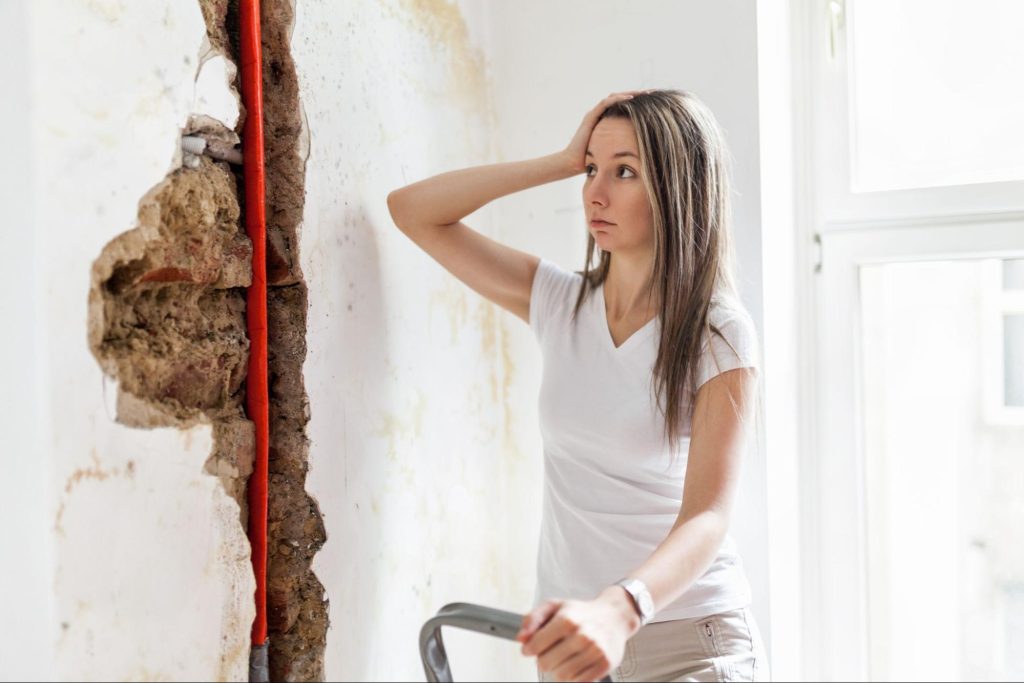
When to Call Restoration Companies: Signs of Hidden Property Damage When water leaks behind walls, mold grows in the attic, or fire damage lingers unseen, the impact on your property can escalate before you even notice a problem. That’s why understanding when to call restoration companies is critical. Not all property damage is visible, and waiting too long can result in costly repairs, health hazards, and loss of structural integrity. In this guide, we’ll break down the most common signs of hidden damage, what causes it, and when to hire restoration services. Signs That Require Help From Restoration Companies Not all water damage shows up as puddles or soaked carpets. In many cases, water seeps into subfloors, behind walls, or under cabinetry, slowly causing rot, warping, and mold. Unexplained Musty Odors If your home smells damp but you can’t find the source, it may be hidden water damage. Restoration companies can use moisture meters and thermal imaging to locate the problem without opening up walls unnecessarily. Stained or Discolored Walls and Ceilings Brown, yellow, or gray stains on ceilings or drywall are often signs of a leak. Even if they’re dry to the touch, that doesn’t mean the underlying material hasn’t been compromised. Peeling Paint or Bubbling Wallpaper When water infiltrates wall cavities, it affects the surface materials. These subtle signs often go unnoticed but can point to severe damage beneath the surface. How Restoration Companies Detect Hidden Mold Growth Mold doesn’t just grow where it’s visible. It thrives in dark, humid spaces like HVAC ducts, under floors, or behind drywall, making it a classic form of hidden property damage. Allergy-Like Symptoms Without a Clear Cause If you or your family experience sneezing, coughing, or eye irritation that improves when leaving the house, hidden mold might be the issue. Visible Mold Around Vents or Baseboards Even minor patches of mold may indicate a much larger colony spreading behind walls or inside ducts. Restoration companies are equipped to investigate and remediate mold at the source. Recent Water Damage Without Proper Drying If your property has experienced a leak, flood, or overflow and wasn’t dried professionally, mold is likely growing in unseen areas. Restoration professionals can test and treat affected spaces. When Fire and Smoke Damage Call for Restoration Companies Even small kitchen fires or electrical shorts can cause smoke damage that travels far beyond the source. The smell of smoke and soot can linger inside walls, ceilings, and vents long after cleanup. Persistent Smoke Odor If the smell of smoke remains weeks after a fire, the particles may be embedded in porous materials or trapped in the HVAC system. Restoration companies use specialized odor removal equipment to deodorize and sanitize your home. Discoloration on Walls, Ceilings, or Fixtures Soot residue often appears as a fine gray or black film. In some cases, it accumulates in high corners or around outlets and vents—places you might not inspect regularly. Electrical Malfunctions Post-Fire Fires often damage wiring inside walls. If lights flicker or outlets stop working in affected areas, hidden fire damage may be present, and restoration professionals can help determine the extent. Structural Damage Often Requires Restoration Companies to Step In Sometimes the most dangerous damage isn’t visible at all. Foundations shift, support beams rot, and framing weakens—all behind the scenes. Spotting these issues early can prevent serious safety risks. Sagging Floors or Ceilings A sagging floor or ceiling may indicate water damage or weakening of the structural supports. Restoration companies can assess whether materials need reinforcement or replacement. Cracks in Walls or Around Windows While some settling is normal, cracks that appear suddenly, grow rapidly, or occur in clusters can point to foundation damage or structural shifting. Doors and Windows That Suddenly Stick If doors or windows begin jamming or won’t latch properly, the frame may have shifted due to hidden damage, often caused by water infiltration or foundation movement. Restoration Companies Can Identify Storm Damage You Can’t See After a storm, it’s common to check for broken windows or roof leaks—but not all storm damage is visible right away. Restoration companies can conduct a more thorough inspection of hidden issues. Water in the Attic or Crawl Space Wind-driven rain and hail can breach roof vents or siding without leaving obvious clues. Damp insulation or puddles in low-traffic areas may go unnoticed until major repairs are needed. Roofing Granules in Gutters Losing granules from shingles is a sign your roof took a beating. While your roof may look intact, underlying layers could be compromised, leading to leaks that don’t show up until later. Unusual Drafts or Temperature Changes After a storm, new drafts or uneven indoor temperatures may suggest damaged insulation or holes in walls or roofing that aren’t visible from the outside. Plumbing Leaks That Signal It’s Time to Contact Restoration Companies Leaky pipes are among the most common sources of hidden property damage. Because they’re usually inside walls, under cabinets, or in crawl spaces, they often go unnoticed for weeks or months. A Spike in Water Bills If your water usage suddenly increases without any known cause, a hidden leak may be to blame. Restoration companies can help locate and repair water-damaged areas before mold sets in. Damp Cabinets or Musty Smells Under Sinks Even a slow drip can eventually cause structural and mold issues. Restoration experts are trained to dry and sanitize cabinetry, walls, and flooring affected by leaks. Warped Baseboards or Flooring Buckled floors or separated baseboards are signs that moisture is present under the surface. Immediate action is necessary to prevent long-term damage. How Restoration Companies Use Tools to Uncover Hidden Moisture If you suspect hidden water damage, don’t rely on a visual inspection alone. Professional restoration companies use industry tools to detect what you can’t see. Moisture Meters and Sensors These devices measure water levels in drywall, wood, and concrete without opening up walls, giving professionals an accurate picture of the extent of the damage. Thermal Imaging Cameras Infrared technology reveals temperature differences that indicate

Scroll to Top