
Drying and Dehumidification

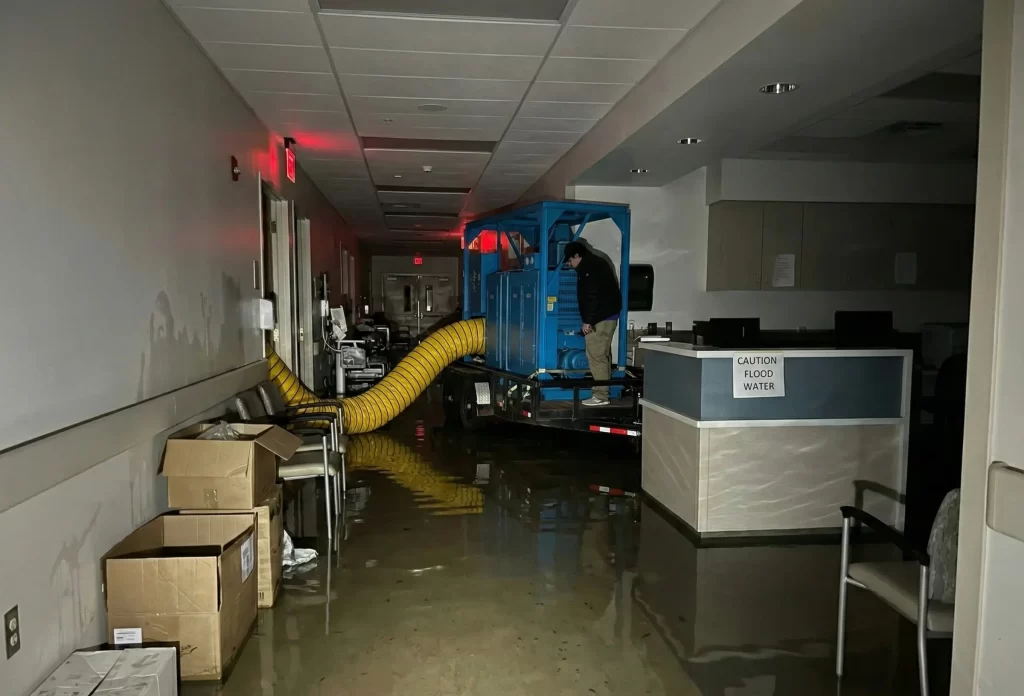
Hospital water damage restoration using specialised drying equipment.
Drying and Dehumidification

Hospital Water Damage Restoration: Infection Control and Rapid Recovery Strategies

Hospital Water Damage Restoration: Infection Control and Rapid Recovery Strategies Water damage in healthcare facilities isn’t just a maintenance issue. It’s a patient safety crisis that demands immediate, specialized response. When water intrudes into hospitals, surgery centers, or medical offices, the clock starts ticking on multiple fronts: infection control, operational continuity, and regulatory compliance.Unlike standard commercial properties, hospitals operate under strict oversight from organizations like The Joint Commission and CMS. A single water event can compromise sterile environments, contaminate critical equipment, and put vulnerable patients at serious risk. That’s why water damage restoration requires expertise that goes far beyond traditional cleanup methods. Why Hospital Water Damage Is Different Healthcare facilities face unique challenges when water damage strikes. The presence of immunocompromised patients means even minor water intrusions require intensive mitigation protocols. Water can introduce or spread dangerous pathogens like Legionella, Pseudomonas, and other waterborne organisms that cause significant morbidity and mortality in vulnerable populations. Medical equipment adds another layer of complexity. Diagnostic imaging machines, laboratory analyzers, and life-support systems worth millions of dollars are extremely moisture-sensitive. Even increased humidity levels can damage sensitive electronics and render entire departments unusable. Essential Infection Control Protocols Infection control drives every decision in medical facility water damage restoration. The carefully controlled environments that protect patients must be maintained throughout the restoration process. Containment and Isolation Hospital water damage restoration requires physical barriers that exceed standard construction containment. Negative pressure systems prevent airborne contaminants from spreading to adjacent clinical spaces. HEPA filtration removes particles that could threaten immunocompromised patients. Even small gaps in containment barriers can allow moisture migration or airborne particle transmission, which is why seamless installation and regular inspection are necessary. Medical-Grade Disinfection All surfaces in affected areas require EPA-registered healthcare-grade disinfectants. Standard antimicrobial treatments used in residential settings don’t meet medical facility standards. Porous materials in clinical areas like carpet, ceiling tiles, and wall coverings often require complete removal rather than restoration because they cannot be reliably disinfected after water exposure. Common Sources of Hospital Water Damage Learning how water damage occurs helps facilities develop targeted prevention strategies. Infrastructure Failures: Aging pipe systems in older hospitals frequently fail without warning. Medical facilities operate 24/7 with constant water demand, accelerating wear on plumbing infrastructure. Pipe bursts in ceiling spaces or between floors can affect multiple departments simultaneously. Equipment-Related Events: Medical sterilization equipment, including autoclaves and washers, processes thousands of cycles annually. Equipment failures can release large volumes of hot water into adjacent spaces. Dialysis centers and imaging departments use substantial water volumes for equipment cooling, making supply line failures particularly problematic. External Intrusion: Roof failures pose significant risks due to hospitals’ typically large footprints and complex mechanical systems. Flash flooding can overwhelm ground-level entries, affecting emergency departments and loading areas. Rapid Recovery Without Compromising Care Unlike other commercial properties, medical facilities cannot simply close for restoration. Patient care continues even as restoration teams work to mitigate damage and restore affected areas. Phased Restoration Approaches Hospital water damage restoration typically occurs in phases that minimize disruption to clinical operations. Critical patient care areas receive priority attention, with restoration scheduled around clinical schedules when possible. Non-clinical spaces may be addressed during off-hours to reduce noise and disruption. Temporary relocation of departments or services may be necessary for major incidents. Facility planners work with restoration teams to identify suitable swing spaces that meet the same regulatory standards as permanent facilities. Specialized Drying Techniques Standard restoration drying techniques require modification in healthcare settings. Temperature and humidity targets in medical areas are often stricter than general commercial spaces. Operating rooms, laboratories, and pharmaceutical storage areas have specific environmental requirements that must be maintained during drying operations. Noise considerations are important in patient care areas. Traditional high-velocity air movers may be unsuitable near intensive care units or recovery areas. Healthcare restoration contractors utilize lower-noise equipment and schedule loud activities during times that minimize patient impact. Selecting Healthcare Restoration Specialists Not all restoration contractors possess the expertise required for medical facility water damage. Healthcare restoration demands specialized training and certifications that exceed general commercial restoration capabilities. Qualified contractors should maintain current training in infection control protocols and medical facility regulations. Look for certifications like the IICRC Applied Microbial Remediation Technician (AMRT), which demonstrates specialized knowledge in healthcare environments. These specialists recognize that they’re not just restoring property, they’re protecting patients. Professional healthcare restoration contractors carry appropriate insurance coverage including professional liability policies that address healthcare-specific risks. They should provide references from other medical facilities and demonstrate experience working within active healthcare environments. Prevention Strategies for Medical Facilities Proactive measures significantly reduce water damage risk. Regular infrastructure inspections identify potential failures before they cause extensive damage. Automated leak detection systems provide early warning of plumbing failures and can shut off water supply to affected areas immediately. Staff training ensures rapid response to water events. Healthcare workers should know how to shut off local water supplies and who to contact for emergency response. Regular drills prepare teams to respond effectively when incidents occur, minimizing response time and damage severity. Protect Your Healthcare Facility With Expert Restoration Hospital water damage restoration requires specialized expertise that goes beyond standard commercial cleanup. The combination of infection control requirements, operational continuity demands, and regulatory compliance makes professional healthcare restoration necessary. Express Restoration brings over 28 years of experience and IICRC AMRT certification to every healthcare project. Our team recognizes the unique challenges of hospital water damage and responds with the specialized protocols your facility requires.Don’t let water damage compromise patient safety or facility operations.Contact Express Restoration today for 24/7 emergency response and discover why Oklahoma healthcare facilities trust us for specialized restoration services.
Commercial Fire Damage Recovery Planning
Drying and Dehumidification

Commercial Fire Damage Recovery Planning for Facility Managers

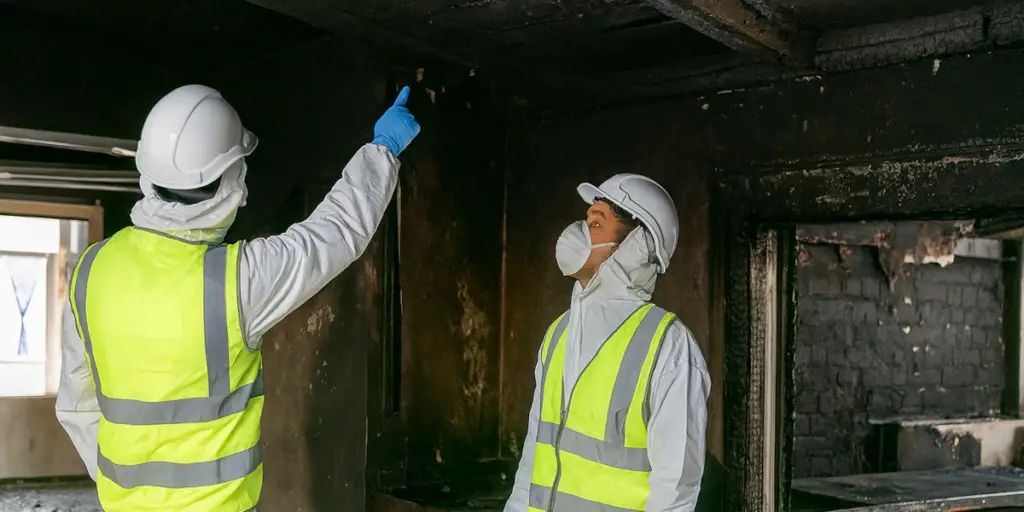
Commercial Fire Damage Recovery Planning for Facility Managers When fire strikes a commercial facility, every minute counts. Downtime costs money, displaces employees, and disrupts operations. As a facility manager, having a solid fire damage recovery plan determines whether you’re back in business within days or struggling through weeks of interruption. Commercial fire damage goes beyond what you can see. Smoke gets into HVAC systems, sprinkler water soaks through building materials, and structural problems develop that aren’t obvious at first glance. Understanding the Full Scope of Fire Damage Fire incidents create damage on multiple levels. Flames cause visible destruction, but secondary damage often costs more to fix. When firefighters put out a commercial fire, they pump hundreds of gallons of water per minute into your building. This action saves your property from total loss but creates immediate water damage problems. Materials absorb moisture fast, and mold starts growing within 24 to 48 hours if you don’t dry everything properly. Smoke damage creates another hidden threat. Soot and ash particles travel through ventilation systems and settle on surfaces throughout your facility. These residues corrode surfaces and keep damaging equipment long after the fire is out. Smoke odors get into walls, ceilings, and furnishings, and you need specialized techniques to remove them. Firefighting teams may need to cut through walls or create roof openings to let smoke out. These actions protect the larger structure but create new entry points for weather and security problems. Phase One: Immediate Emergency Response What you do first after a fire sets up everything that follows. Professional fire damage restoration starts with emergency stabilization to stop additional damage. Top priorities include securing the property with board-up services, covering exposed areas with tarps, and removing standing water. These steps need to happen within hours. Facility managers should build relationships with certified restoration companies before emergencies happen, so you have guaranteed 24/7 access when you need it. Start documenting right away. Take photos of all damage, create detailed lists of affected items, and begin your insurance claim. Professional restoration teams use moisture meters and thermal imaging to find hidden damage you can’t see. Phase Two: Assessment and Restoration After you control immediate threats, detailed assessment shows you the full scope of restoration work needed. Certified technicians inspect structural elements like load-bearing walls, roof systems, and foundations. Fire and water exposure can weaken structural integrity even when damage isn’t visible. HVAC systems need special attention. Smoke travels through ductwork and leaves corrosive residues throughout your ventilation network. If you don’t clean these systems properly, odor problems persist and create health concerns for people in the building. The restoration phase brings your facility back to its condition before the fire through systematic cleanup. Removing smoke and soot requires industrial air scrubbers, HEPA filtration, and antimicrobial treatments. Thermal fogging and ozone treatments eliminate stubborn smoke odors at the molecular level. Mold prevention becomes necessary after water exposure. Professional teams set up containment barriers, remove affected materials, and treat surfaces with antimicrobial solutions. Building a Fire Recovery Plan Before Disaster Strikes Planning ahead cuts recovery time and reduces fire damage impact. Facility managers should develop emergency response plans that spell out specific actions, responsibilities, and resources. Your plan should list pre-approved restoration contractors with 24/7 availability. Research companies now and build relationships before you need emergency services. Check their certifications, insurance, and experience with commercial properties like yours. Document your facility completely with current photos, equipment lists, and asset values. Store these records off-site or in cloud-based systems you can access during emergencies. This documentation speeds up insurance claims. Run regular facility inspections focused on fire risks. Keep smoke detection systems, fire suppression equipment, and electrical systems maintained according to specifications. Train your team on emergency procedures including evacuation routes, communication methods, and initial response steps. Everyone should know who to contact right after a fire happens. The Value of Professional Fire Damage Restoration Commercial fire recovery requires specialized knowledge and equipment. Professional restoration teams respond fast, work efficiently, and know how to handle insurance processes. Certified restoration professionals use industrial-grade equipment built specifically for fire and smoke damage remediation. Their training covers proper safety protocols and advanced restoration techniques that save materials instead of replacing them. Working with experienced restoration contractors makes insurance claims simpler. These professionals document damage thoroughly, talk directly with adjusters, and provide detailed estimates. Time matters most after fire damage. Professional restoration reduces downtime, stops secondary damage, and gets your facility back to full operation faster. Protect Your Facility with Expert Fire Damage Restoration Fire damage recovery demands quick action and specialized expertise. Express Restoration provides complete fire damage restoration services throughout Edmond, OK and surrounding areas. Our certified technicians respond 24/7 with advanced equipment to restore your commercial property quickly and completely. From emergency stabilization through final reconstruction, we handle every part of fire damage recovery. Don’t wait for disaster to strike. Contact Express Restoration at (405) 922-8891 or visit expressrestoration.net to discuss fire recovery planning for your facility.

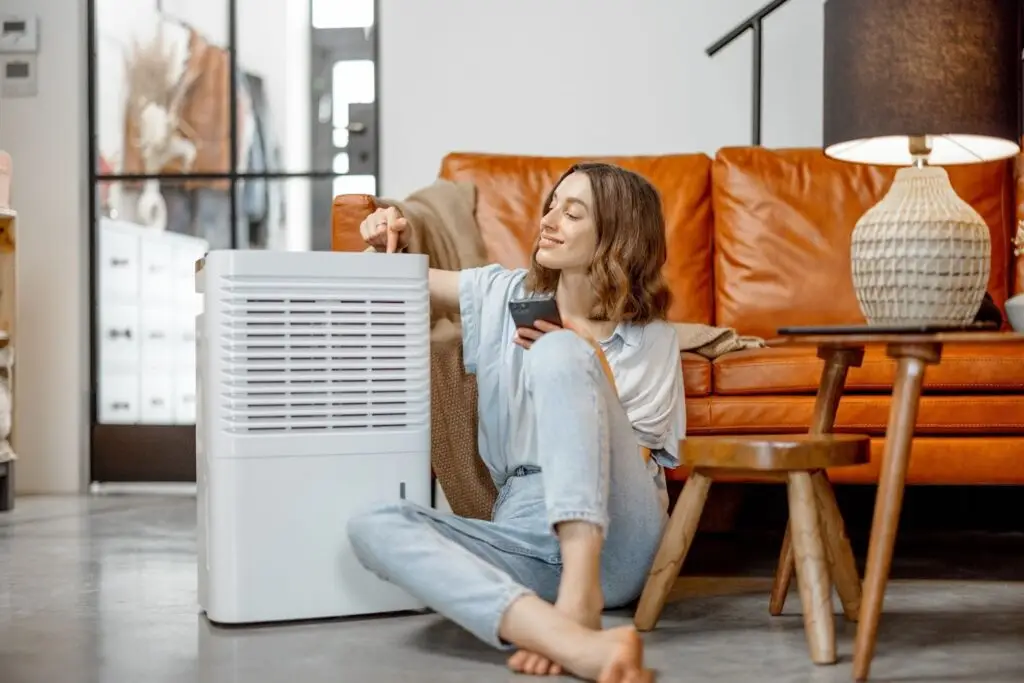
A woman sits on the floor in front of an orange couch and turns on a dehumidifier.
Drying and Dehumidification

What Is Dehumidification and Why Is It Important for Your Home?

What Is Dehumidification and Why Is It Important for Your Home? When water finds its way into a building, the visible puddles are only part of the story. Moisture migrates into drywall, subfloors, insulation, and trim, where it quietly fuels mold, swells wood fibers, corrodes metals, and undermines finishes. Drying and dehumidification are the engines that pull that hidden moisture back out in a controlled, measurable way. By shaping temperature, airflow, and humidity to favor evaporation—and then capturing that vapor—dehumidification turns a wet, unstable environment into one that is clean, dry, and ready for rebuilding. Why Dehumidification Matters in the First 48 Hours The earliest hours after a leak, overflow, or storm intrusion determine whether a project remains a limited repair or spirals into a costly remediation. Without dehumidification, moisture lingers in cavities and coatings, allowing microbes to activate and materials to distort. Introducing dehumidification quickly reduces the total drying load, prevents “category creep” when clean intrusions become contaminated, and keeps indoor air quality stable for occupants and crews. In short, faster setup means fewer tear-outs, fewer surprises, and a cleaner paper trail for insurance. Dehumidification and the Science of Drying Drying is a balancing act between air conditions and material moisture. Dehumidification lowers ambient humidity so evaporated water has somewhere to go, while controlled heat and airflow encourage moisture to move out of wet substrates. When these variables are tuned together, materials release water efficiently without warping or trapping vapor in the wrong layer. The result is predictable progress you can verify with instruments rather than guesswork. Vapor Pressure and Equilibrium Moisture moves from areas of higher vapor pressure to lower pressure. Dehumidification lowers vapor pressure in the air so materials off-gas moisture instead of reabsorbing it. Temperature and Airflow Moderate warmth and directed airflow thin the boundary layer on wet surfaces. This speeds evaporation but must be paired with dehumidification so humidity does not rebound. Choosing Between Refrigerant and Desiccant Dehumidification Not all machines handle moisture the same way. Refrigerant dehumidifiers condense water by chilling air below its dew point, while desiccant units use moisture-loving media to pull vapor even from cool, dry air streams. Selecting the right approach—sometimes a combination—keeps the job in the optimal drying window regardless of season, altitude, or building constraints. When to Use Refrigerant In warm, moderately humid interiors, refrigerants remove large volumes of moisture efficiently. They shine during early phases when evaporation loads are high. When to Use Desiccant In cool climates, dense assemblies, or low-temperature starts, desiccants maintain strong drying even when refrigerants struggle. They also excel in long ducted setups. Dehumidification for Different Building Materials Every substrate stores and releases moisture differently. Dehumidification works best when paired with tactics tailored to the material’s permeability, thickness, and sensitivity to heat or airflow. Matching the method to the material prevents unnecessary demolition and protects finishes. Drywall and Insulation Gypsum wicks quickly and loses strength when saturated; wet insulation traps vapor. Opening targeted cavities and maintaining dehumidification prevents lingering odor and sag. Hardwood and Subfloors Wood holds bound water that releases slowly. Floor mats, gentle heat, and steady dehumidification avoid cupping or crowning while protecting fasteners and adhesives. Concrete and Masonry These dense materials emit moisture long after surfaces feel dry. Extended dehumidification and vapor checks avert flooring failures and adhesive breakdown. Hidden Cavities and Targeted Dehumidification Moisture loves voids: behind baseboards, under toe-kicks, inside wall chases, and above ceilings. Dehumidification paired with strategic access—vent holes, manifolded ducting, and cavity drying—removes trapped vapor without wholesale tear-out. Instruments guide where to open and when to close, so the building dries thoroughly rather than cosmetically. Finding What You Can’t See Thermal imaging and non-invasive meters reveal damp zones that look normal. This data points dehumidification where it matters most. Limiting Collateral Mess Containment and negative pressure keep dust and humidity inside the work zone. Clean rooms stay clean, and post-mitigation cleanup is lighter. Dehumidification for Indoor Air Quality and Safe Workflows As materials evaporate, humidity and particulates rise. Dehumidification keeps humidity in check, while filtration and pressure control keep particles from migrating into unaffected rooms. These steps protect occupants, safeguard sensitive equipment, and maintain a healthier environment for crews. Filtration and Odor Management HEPA filtration captures fine debris as dehumidification lowers moisture that feeds odors. Source removal always beats heavy fragrance cover-ups. Pressure and Pathways Maintaining slight negative pressure inside the work zone prevents cross-contamination. Door zippers and airlocks manage traffic without spreading dust. Monitoring, Documentation, and Insurance Alignment Through Dehumidification Good paperwork is as important as good equipment. Accurate meter readings, psychrometric logs, and daily photos show that dehumidification is doing its job. This record justifies equipment counts, explains selective removal, and supports approvals for the rebuild scope. Daily Logs and Targets Tracking ambient humidity, temperature, and material moisture proves progress. Clear endpoints prevent premature closure and expensive callbacks. Photo Evidence and Chain of Custody Before-during-after images, debris documentation, and signed authorizations keep claims organized. Everyone can see what was done and why. Energy, Power, and Placement Considerations for Dehumidification Running multiple machines requires safe power distribution and intelligent layout. Balanced circuits, tidy cord routing, and unobstructed airflow keep equipment efficient and reduce trip hazards. Good placement also shortens drying time, which cuts energy use and total runtime. Electrical Load Planning Mapping circuits avoids nuisance trips and downtime. Dedicated runs for high-draw devices keep the system stable. Airflow Without Short-Cycling Air movers should sweep surfaces—not blow directly into dehumidifier intakes. Proper spacing avoids recirculating already-dried air. Dehumidification in Occupied Homes and Businesses Not every project can shut down operations. With containment, scheduled equipment checks, and noise-aware placement, dehumidification can run while families live and staff work. Clear communication on pathways, door etiquette, and equipment touchpoints keeps everyone safe and the project on schedule. Comfort and Continuity Routing cords neatly and staging machines away from desks or bedrooms preserves routine. Regular check-ins reduce anxiety and interruptions. Protecting Sensitive Areas Server rooms, pharmacies, and labs demand extra caution. Dehumidification and filtration plans should be vetted

Scroll to Top