
Fire Damage Restoration

Team from Express Restoration working on fire damage recovery in a commercial building.
Fire Damage Restoration

How Water Damage Mitigation Prevents Mold, Rot, and Structural Damage

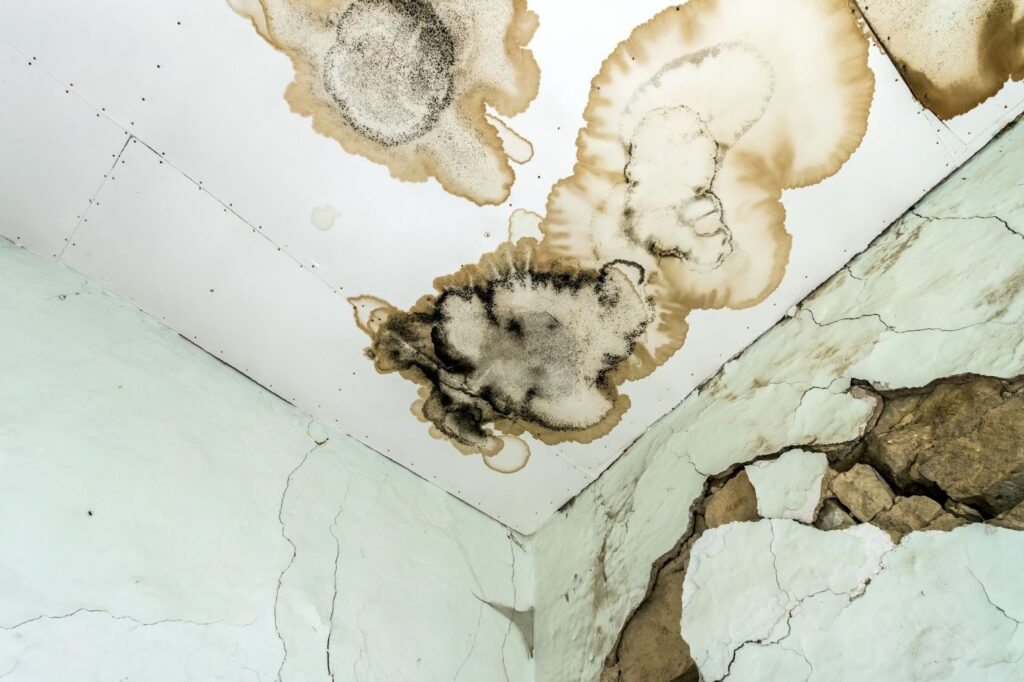
How Water Damage Mitigation Prevents Mold, Rot, and Structural Damage When water intrudes into a home or business, the most expensive problems rarely appear on day one. They emerge days or weeks later as hidden moisture feeds mold, weakens structural members, and warps finishes. Effective water damage restoration interrupts that chain reaction by stopping the source, extracting liquid water, controlling humidity, and driving moisture out of materials safely. Done correctly, it protects health, preserves more building components, and shortens the road to a clean, fully functional space. Why Water Damage Mitigation Matters Within the First 24 Hours The first day sets the trajectory for everything that follows. Standing water wicks into drywall, trim, subfloors, and framing, moving from visible puddles into pores and joints where it becomes harder to remove. Rapid water damage mitigation limits that migration and reduces the overall drying load, which is the amount of moisture that must be evaporated and dehumidified. Swift action also minimizes the chance that clean intrusions escalate into contamination problems, maintains better indoor air quality, and prevents minor repairs from ballooning into demolition. By stabilizing conditions early, you protect both the structure and your claim outcome, because thorough documentation begins at the same time as the physical work. The Mold Equation in Water Damage Mitigation Unchecked moisture plus time equals microbial growth, and the timeline is shorter than most people expect. Water damage mitigation keeps humidity and material moisture below thresholds that allow spores to colonize, denying mold the environment it needs to expand. Spore Activation Basics Most interior spaces contain dormant spores that remain harmless until they find moisture and a food source. Drying quickly removes the trigger, so spores cannot germinate and spread. Moisture, Heat, and Time Warm temperatures accelerate growth when wet materials remain above safe moisture content. Controlling humidity and surface dampness breaks this cycle before colonies take hold. How Water Damage Mitigation Prevents Rot and Decay Wood is strong for its weight because of the bonds within its cellulose and lignin. Persistent moisture disrupts those bonds and invites decay organisms that digest structural fibers, first softening and then weakening members. By extracting water and drying assemblies to target moisture levels, mitigation denies fungi the prolonged dampness needed to thrive. This preserves shear strength at connections, keeps fasteners seated, and prevents sagging, racking, and door or window misalignment. The result is less structural repair, fewer invasive replacements, and a safer building envelope that continues to perform as designed. Structural Drying in Water Damage Mitigation Drying is both a science and a sequence. The goal is to create a controlled environment where moisture moves from wet materials into air that can actually hold it, and then remove that vapor continuously until targets are reached. Airflow Placement Air movers sweep damp boundary layers off surfaces so water can evaporate efficiently. Positioning follows the wettest paths and avoids blasting air into clean rooms that do not need it. Dehumidification and Heat Dehumidifiers capture vapor so humidity does not rebound and re-wet surfaces. Gentle heat raises evaporation rates without driving moisture deeper into dense materials. Measurement and Monitoring Moisture meters and daily readings confirm progress and expose hidden pockets. Adjusting equipment based on data speeds completion and prevents premature rebuilds. Water Damage Mitigation for Different Building Materials No two materials dry the same way, and treating them as if they do leads to delays and damage. Matching tactics to substrates keeps assemblies intact while returning them to safe, stable moisture levels. Drywall and Insulation Gypsum wicks quickly and loses strength when saturated, and wet insulation can trap vapor. Strategic removal allows cavities to ventilate and prevents long-term odor and sag. Hardwood and Subfloors Wood stores bound water that releases slowly, so controlled heat and floor mats help pull moisture to the surface. Careful pacing avoids cupping, crowning, and fastener corrosion. Concrete and Masonry Dense materials release moisture over time even after surfaces seem dry. Vapor checks and extended dehumidification avert flooring failures and adhesive breakdown. Hidden Moisture and Water Damage Mitigation in Cavities The most stubborn moisture hides behind baseboards, under toe-kicks, and inside wall and ceiling cavities. Water damage mitigation opens strategic access points to relieve trapped vapor, using vent holes, plenum drying, and directed airflow to move moisture out without dismantling entire assemblies. Thermal imaging and non-invasive meters help locate damp zones that look normal to the eye, while containment keeps particles and humidity from migrating into clean areas. Addressing concealed moisture protects indoor air quality and prevents mold and odor that would otherwise resurface after cosmetic repairs. Indoor Air Quality During Water Damage Mitigation Drying work changes the air as water evaporates and materials are cleaned or removed. Managing that air is critical to health and project success, because poor handling lets dust and spores travel where they should not. Containment and Pressure Plastic barriers and negative pressure isolate the work zone so particles do not escape. This approach keeps adjacent rooms usable and reduces cleanup at the end. Filtration and Odor Control HEPA filtration captures fine debris, while source removal handles smells more effectively than cover-ups. Balanced ventilation clears residual humidity and leaves spaces fresh. Documentation and Insurance Alignment for Water Damage Mitigation Transparent records are as protective as pumps and fans. Photos, moisture maps, and equipment logs show why certain materials were removed, how drying was achieved, and when targets were met. This evidence supports an accurate scope, helps coordinate with adjusters, and prevents disputes about cause, coverage, or completion. When contractors tie their plan to recognized practices, they create a defensible path from emergency response to rebuild, which keeps timelines predictable and approvals moving. Contents Restoration as Part of Water Damage Mitigation Buildings are only half the story; belongings carry both practical and sentimental value. The mitigation plan sorts items by material, exposure, and value to decide what to remove, what to clean in place, and what to restore off-site. Porous goods that contacted contaminated water often cost more to salvage than to replace, while
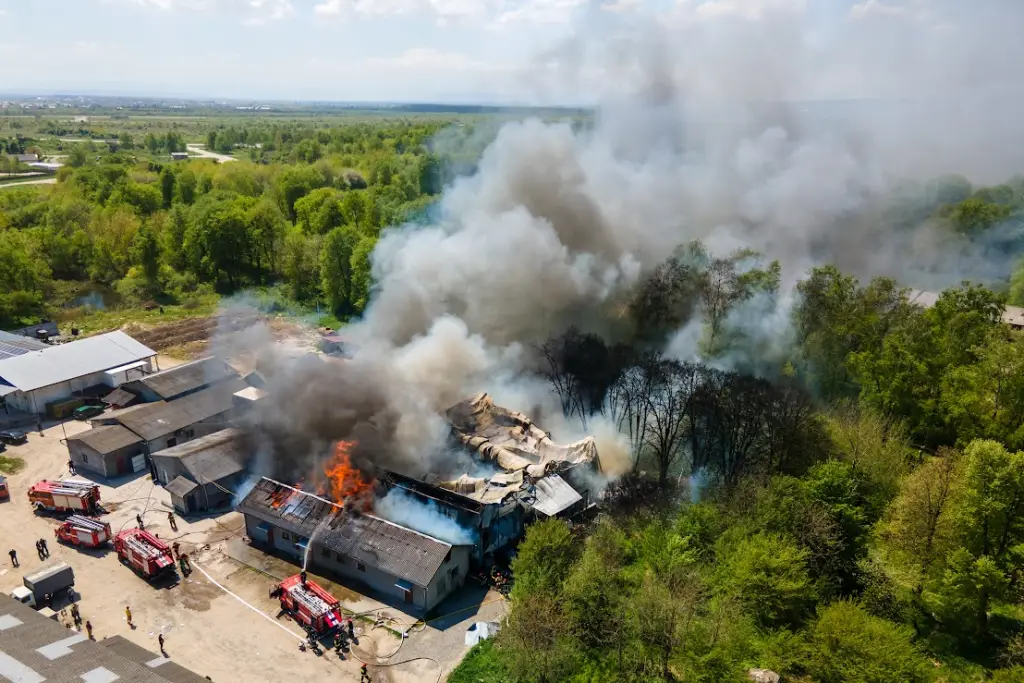
Aerial view of a house on fire.
Fire Damage Restoration

Can Smoke Damage Be Removed Completely? Discover Expert Tips

Can Smoke Damage Be Removed Completely? When a fire occurs, the smoke damage doesn’t end with the flames—smoke damage can linger long after the fire is extinguished, affecting everything from walls and furniture to electronics and the structural integrity of the building. Soot residue, persistent odors, and discoloration can spread far beyond the immediate fire zone, creating widespread and sometimes hidden destruction. Understanding the Nature of Smoke Damage Smoke consists of microscopic particles released from burned materials such as wood, plastics, and fabrics, which become airborne during a fire and settle as soot on a structure’s surface. Unlike fire damage, which is usually confined to the area touched by flames, smoke travels rapidly. It infiltrates every building corner—including air ducts, insulation, and the spaces behind walls. These particles leave visible residue and carry persistent odors that can become deeply embedded in materials. This far-reaching and often hidden nature of smoke makes the cleanup process so complex, so professional restoration is typically necessary for complete removal. Types of Smoke Damage and How They Affect Surfaces Not all smoke is created equal. The type of fire and the materials burned determine the severity and complexity of the smoke damage. Restoration professionals typically encounter the following types of smoke: Dry Smoke Dry smoke results from fast-burning, high-temperature fires involving materials like wood or paper. It leaves a powdery residue that’s easier to clean than other types. However, it can still be embedded into porous materials like drywall, carpets, and upholstery. Wet Smoke Wet smoke originates from low-heat, smoldering fires involving materials such as rubber, plastic, or synthetic materials. It produces a thick, sticky residue with a strong odor that is much more difficult to clean. When improperly cleaned, wet smoke damage often causes smearing and staining. Protein Smoke Protein smoke is common in kitchen fires, where meat or other organic matter burns. This type of smoke is nearly invisible but leaves a strong, pungent odor and can discolor painted surfaces. Fuel or Oil Residue Fuel residue, less common in residential fires, results from petroleum-based fires. It produces heavy, sticky soot that is especially difficult to clean, often requiring specialized equipment and solvents. Why Acting Fast is Critical for Smoke Damage Removal When it comes to smoke damage, time is one of the most crucial factors in determining whether it can be fully removed. The longer soot and smoke residue remain on surfaces, the deeper they penetrate, causing discoloration and making odors more challenging to eliminate. Porous materials like drywall, fabrics, and wood can begin to show permanent stains within hours, and smoke odors can become deeply embedded in walls, floors, and furniture within days. This delay increases the difficulty of cleanup and can lead to irreversible damage. How Professionals Remove Smoke Damage Completely While DIY cleaning may seem like a cost-saving option, completely removing smoke damage requires professional tools, expertise, and specialized techniques. Here’s how certified restoration experts typically handle the process: Assessment and Inspection The first step is a thorough inspection of the property. Restoration professionals assess the extent of smoke damage, the type of smoke involved, and which materials are salvageable. This assessment guides the cleaning and restoration strategy, helping to determine what can be restored and what must be replaced. Air Filtration and Ventilation Because smoke particles linger in the air, restoration teams use industrial air scrubbers, HEPA filters, and ozone generators to remove airborne contaminants. Ventilation is also improved to push smoke-filled air out of the building and bring in fresh air. Soot and Residue Removal Different methods are used to clean soot depending on the type of smoke and affected surface. Dry smoke may be removed with vacuuming or dry sponging, while wet or oily soot requires chemical sponges and solvents. Delicate materials, such as electronics, books, or artwork, require specialized techniques to prevent further damage. Odor Neutralization Odor removal is one of the most complex parts of smoke damage restoration. Professionals utilize advanced techniques, including thermal fogging, hydroxyl generators, and ozone treatment, to neutralize odors at the molecular level. These methods break down odor-causing particles that ordinary cleaning can’t reach. Structural Cleaning and Repair In cases of severe smoke damage, walls, ceilings, and insulation may need to be replaced. Professional teams strip affected areas, clean the structural framing, and rebuild or repaint as necessary to fully restore the property. Soft Goods and Fabric Restoration Curtains, upholstery, clothing, and bedding often absorb smoke deeply. Restoration experts use ultrasonic cleaning and ozone chambers to remove smoke from fabrics without damaging them. In many cases, unsalvageable items can be restored with the right treatment. Can Smoke Damage Be Removed From Electronics? Electronics are especially susceptible to smoke damage because soot can infiltrate their internal components, leading to corrosion and long-term malfunction. Immediate shutdown and prompt professional evaluation are critical steps in preventing further harm. Restoration specialists employ anti-static cleaning techniques and precision tools to remove soot and protect delicate circuitry safely. While severe smoke exposure may render some electronics beyond repair, early intervention can often save valuable items, such as computers, televisions, and appliances, from permanent damage. The sooner these devices are assessed and treated, the better the chance of full recovery. How Smoke Damage Affects HVAC Systems One of the most commonly overlooked areas affected by smoke damage is the HVAC system, which can silently spread smoke particles, odors, and residue throughout the entire building each time it operates. Smoke easily infiltrates ductwork, vents, and filters, allowing contaminants to circulate long after the fire has been extinguished. To properly restore an HVAC system, professionals remove and replace filters, clean vents, and registers, use specialized duct-cleaning equipment to vacuum and scrub interior passages, and apply deodorizing agents to neutralize lingering smells. Without addressing the HVAC system during smoke damage restoration, odors and harmful particles can persist, posing ongoing health risks and undermining the overall cleanup. Health Risks Associated With Lingering Smoke Damage Even after the fire has been extinguished, lingering smoke damage can pose serious health risks due to

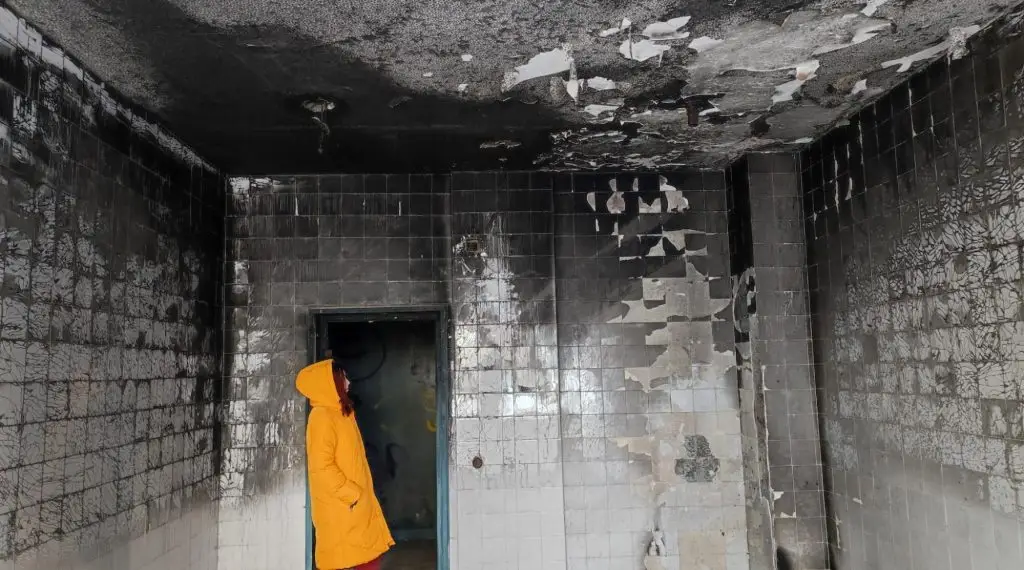
A young woman in a yellow hoodie stands at the doorway, surveying fire damage.
Fire Damage Restoration

What is Included in a Fire Damage Restoration Service?

What is Included in a Fire Damage Restoration Service? A fire can destroy everything in a matter of minutes. The heat, flames, and smoke leave behind devastation, making it difficult to know where to start. Even after the fire is out, the damage lingers in the form of soot, water, and structural instability. A professional fire damage restoration service provides the expertise needed to recover as much as possible. Knowing what these services include can help ease stress and speed up rebuilding. Fire Damage Restoration Service and Its Essential Inclusions Restoring a property after a fire requires specialized techniques and equipment to ensure safety and complete rehabilitation. A professional fire damage restoration service covers multiple aspects of cleanup, repair, and rebuilding. The following are the essential services included in the restoration process: Fire Damage Assessment and Inspection Restoring a fire-damaged property begins with a thorough inspection. Professionals evaluate the extent of fire, smoke, and odors before any cleanup starts. This step ensures that no hidden issues go unnoticed and helps create a clear restoration plan. Technicians document everything for insurance purposes and estimate the cost of repairs. A proper assessment lays the foundation for a safe and efficient recovery. Structural and Property Evaluation A fire can weaken a building’s structure in ways that are not always visible. Technicians inspect walls, floors, and ceilings for stability to determine whether repairs or demolition are necessary. Hidden damage inside support beams or electrical systems can create future safety risks. A proper evaluation prevents costly surprises during the rebuilding process. By identifying these risks early, professionals ensure the structure is safe for restoration. Smoke and Soot Damage Inspection Smoke and soot travel far beyond the flames, seeping into walls, ceilings, and furniture. If not properly cleaned, these particles can cause permanent stains and lingering odors. Different types of soot require specific cleaning methods, and using the wrong one can worsen the damage. Professionals inspect affected areas to determine the best cleaning approach. Proper smoke and soot removal prevents health risks and restores the property’s appearance. Emergency Board-Up and Roof Tarping After a fire, buildings are often left exposed to the elements. Broken windows, missing doors, and damaged roofs create security risks and allow further damage. Emergency board-up and roof tarping help protect the property from weather, theft, and vandalism. These temporary solutions provide safety while restoration work is in progress. Keeping the building sealed prevents additional problems that could delay repairs. Window and Door Boarding Fires can shatter windows and weaken doors, leaving a property vulnerable. Boarding up these openings keeps intruders, animals, and debris out of the structure. Professionals use durable materials to cover broken windows and reinforce doors. This temporary solution maintains security while long-term repairs are planned. Without proper boarding, properties can suffer from further destruction. Roof Tarping to Prevent Water Damage A fire-damaged roof can collapse under heavy rain or strong winds. Tarping covers exposed areas to prevent water from seeping inside. If left unaddressed, excess moisture can lead to mold growth and structural decay. A secure roof tarp protects until permanent repairs begin. This step helps maintain the integrity of the building while restoration efforts continue. Water Removal and Drying Water damage is an overlooked consequence of firefighting efforts. Fire hoses release thousands of gallons of water, soaking floors, walls, and furniture. Standing water can lead to mold growth, wood rot, and electrical hazards. Professional water extraction ensures that moisture is fully extracted before it causes more damage. Drying out the building is critical for preventing long-term issues. Removing Standing Water Flooding from firefighting efforts leaves behind pools of standing water. Industrial pumps and vacuums remove water quickly to minimize additional damage. If water sits too long, it can weaken structural materials and create the perfect environment for mold. Immediately eliminating excess moisture reduces restoration costs and prevents further decay. Fast extraction helps stabilize the property before deeper repairs begin. Industrial Drying and Dehumidification Even after removing visible water, moisture remains trapped in walls and floors. Professionals use air movers and dehumidifiers to eliminate hidden dampness. Drying equipment prevents mold growth and preserves materials like wood and drywall. Humidity levels are monitored to ensure the environment is safe. Thorough drying protects against unseen water damage that could lead to future problems. Smoke and Soot Removal Smoke and soot damage does not fade on its own. If left untreated, soot can permanently stain surfaces, and smoke odors can linger for months. Professional smoke cleaning removes these harmful residues from walls, ceilings, and personal belongings. Specialized techniques target stubborn stains and trapped odors, restoring the property’s cleanliness. Removing smoke and soot is necessary for a full recovery. Deep Cleaning Walls and Surfaces Soot clings to surfaces, leaving behind dark stains and a greasy texture. Cleaning requires special chemicals that break down the residue without damaging materials. Depending on the surface type, dry sponging, chemical treatments, and pressure washing are used. Using incorrect cleaning methods can spread the soot further. Professional cleaning ensures a thorough and safe restoration process. Odor Elimination Techniques Smoke odor lingers in carpets, furniture, and even duct systems. Air scrubbers, ozone machines, and thermal fogging help neutralize these persistent smells. Without proper odor treatment, smoke can remain embedded in fabrics for months. Professionals use advanced deodorization techniques to break down smoke particles. Eliminating odors restores indoor air quality and prevents long-term discomfort. Structural Repairs and Reconstruction Fire can weaken a building’s foundation. Some areas may only need minor repairs, while others require complete reconstruction. Restoring structural integrity ensures the property’s safety and longevity. Professional restoration teams repair, reinforce, and rebuild damaged sections, restoring the building to a livable state. Repairing Walls, Floors, and Ceilings Walls and ceilings often suffer extreme heat exposure, leaving them unstable. Professionals remove and replace damaged drywall, insulation, and flooring. Fire-damaged floors may need refinishing or complete reconstruction. Ensuring proper repairs keeps the property structurally sound. A secure foundation is necessary for a successful restoration. Rebuilding Fire-Damaged Areas Severe fires may require extensive

Scroll to Top