
June 30, 2025

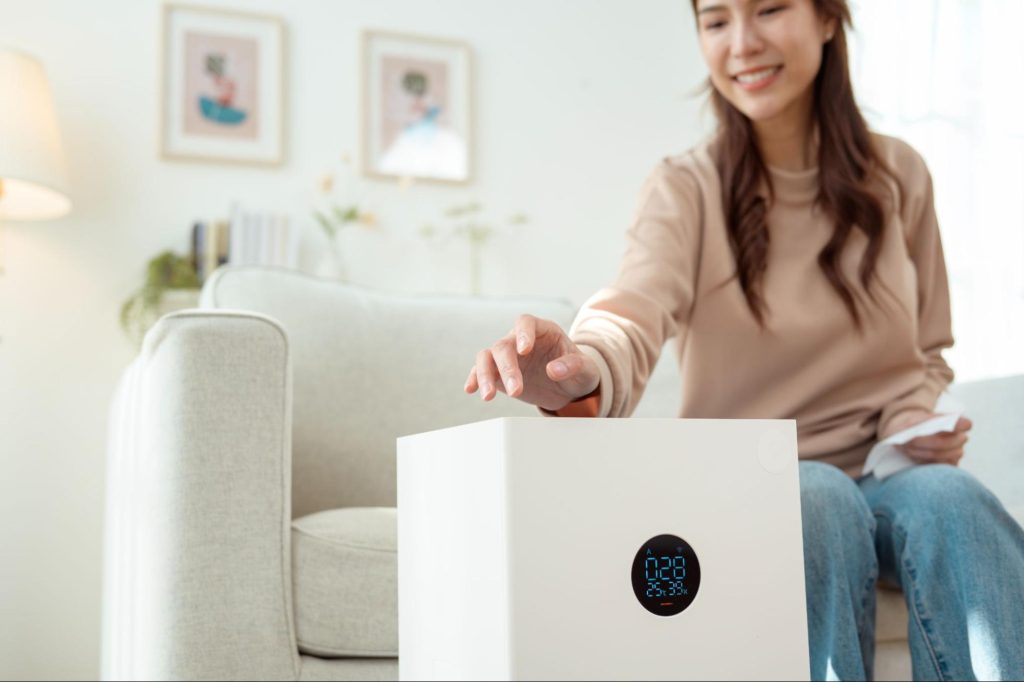
A woman using an air purification system.
Equipment Rentals

How an Ozone Air Cleaner Works to Remove Odors and Contaminants

How an Ozone Air Cleaner Works to Remove Odors and Contaminants Air quality is essential to our health, comfort, and overall well-being. When odors, smoke, mold, or other pollutants compromise indoor air, many turn to an ozone air cleaner as a powerful solution. These devices are designed to neutralize contaminants at the molecular level, often in situations where traditional filters fall short. But how exactly does ozone purification work, and when is it appropriate? This comprehensive guide explains how an ozone air cleaner operates, its strengths and limitations, and how it effectively eliminates stubborn pollutants from your environment. The Science Behind an Ozone Air Cleaner Understanding how an ozone air cleaner works begins with a basic understanding of chemistry. Ozone (O₃) is a molecule composed of three oxygen atoms. It occurs naturally in the Earth’s atmosphere and is known for its powerful oxidizing properties. How Ozone is Created in Air Cleaners Ozone air cleaners generate ozone using either ultraviolet (UV) light or corona discharge. UV ozone generators utilize shortwave ultraviolet light to split oxygen molecules (Oâ‚‚), which then recombine to form ozone. Corona discharge units, more common in commercial models, use an electrical arc to create the same reaction. Why Ozone is Effective Ozone is highly reactive. When it encounters pollutants such as bacteria, viruses, mold spores, or VOCs (volatile organic compounds), it breaks them down through a process known as oxidation. This reaction changes the chemical structure of the contaminant, neutralizing its harmful effects and eliminating associated odors. Where an Ozone Air Cleaner Excels: Targeting Tough Odors Not all air purifiers are built for the same job. One of the defining advantages of an ozone air cleaner is its effectiveness in removing persistent, embedded odors that traditional filters cannot handle. Smoke and Fire Damage Ozone is especially effective at neutralizing smoke particles and soot residues. After fire restoration, ozone treatment can eliminate the lingering smell that clings to furniture, carpet, and drywall. Mold and Mildew Odors While ozone does not replace mold remediation, it can significantly reduce musty odors and airborne mold spores in post-treatment environments. Pet and Cooking Smells Ozone treatments are effective for homes plagued by lingering pet dander, litter box odors, or strong cooking smells, such as fish, curry, or fried food. It targets the odor source rather than just masking it. How an Ozone Air Cleaner Removes Biological Contaminants An ozone air cleaner doesn’t just tackle smells—it also inactivates airborne microorganisms. This inactivation makes it a potential asset in improving indoor hygiene under specific conditions. Bacteria and Viruses Ozone oxidizes the cell walls of bacteria and viruses, disrupting their structure and rendering them inactive. This oxidation can help sanitize spaces in hospitals, gyms, and shared commercial buildings. Mold Spores Mold spores in the air are neutralized as ozone reacts with the proteins and enzymes that keep them viable. However, physical mold growth must still be removed manually for complete treatment. Dust Mites and Allergens Ozone can break down organic allergens, reducing their impact on sensitive individuals. Still, this should be combined with HEPA vacuuming and humidity control for maximum effectiveness. How to Use an Ozone Air Cleaner Safely and Effectively Due to its potency, using an ozone air cleaner correctly is crucial. While it can be a powerful deodorizer and sanitizer, improper use can pose risks to health and materials. Vacate the Area During Treatment People and pets should never occupy a space while ozone is in use. Ozone at high concentrations is harmful to the respiratory system. Treatment areas must be sealed off and ventilated afterward. Time-Controlled Usage Ozone generators should only run for a specific duration, typically between one and twelve hours, depending on the room size and the level of contamination. Most modern ozone air cleaners include timers and remote controls for this purpose. Post-Treatment Ventilation After the ozone cycle, wait an additional 30–90 minutes before re-entering the space. Open windows and run fans to disperse any residual ozone and ensure the air is safe to breathe. Comparing an Ozone Air Cleaner to Traditional Purifiers How does an ozone air cleaner compare to other popular purification technologies like HEPA filters, activated carbon, or UV-C lights? Each system has its strengths and ideal applications. HEPA and Carbon Filters HEPA filters are excellent at capturing particulate matter, and carbon filters excel at trapping gases and odors. However, neither destroys contaminants as effectively as ozone does. UV-C Purifiers UV-C light purifiers kill microbes using ultraviolet radiation. They’re safe for continuous use but are less effective at removing odors or VOCs unless paired with filtration. Electrostatic Air Cleaners These use charged plates to attract particles but do not neutralize odors or pathogens. Ozone offers a more aggressive response to embedded and airborne contaminants. Best Situations to Use an Ozone Air Cleaner An ozone air cleaner is not for daily use, but in the right situation, it’s the best tool for the job. Here are some scenarios where ozone is most effective. Real Estate Turnovers and Rental Units When cleaning a space for a new tenant or owner, ozone can erase signs of smoking, pets, or previous neglect. Water or Smoke Damage Restoration Restoration professionals often use ozone to deodorize areas affected by floods, fires, or sewage backups. It’s especially useful in crawlspaces and attics. Vehicles, RVs, and Boats Portable ozone machines are ideal for deodorizing vehicle interiors, particularly when spills, smoke, or mildew odors persist. Myths and Misunderstandings About Ozone Air Cleaners There’s no shortage of misinformation about ozone technology. Understanding what an ozone air cleaner can and can’t do is key to using it effectively and safely. Myth: Ozone Is Always Safe to Breathe False. While ozone is safe in the upper atmosphere, ground-level ozone is an irritant. High exposure to indoor pollutants can lead to coughing, chest pain, and lung irritation. Myth: More Ozone Means Better Cleaning False. Excess ozone doesn’t improve results and may damage sensitive materials, such as rubber, electronics, or upholstery. Follow manufacturer guidelines strictly. Myth: Ozone Replaces Cleaning Ozone is
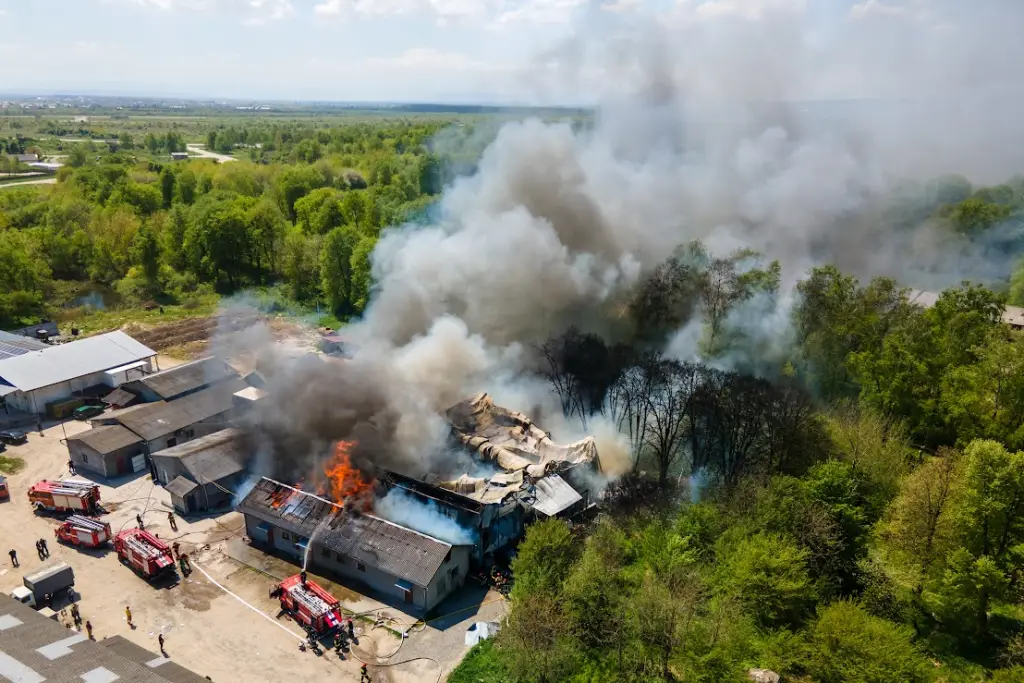
Aerial view of a house on fire.
Fire Damage Restoration

Can Smoke Damage Be Removed Completely? Discover Expert Tips

Can Smoke Damage Be Removed Completely? When a fire occurs, the smoke damage doesn’t end with the flames—smoke damage can linger long after the fire is extinguished, affecting everything from walls and furniture to electronics and the structural integrity of the building. Soot residue, persistent odors, and discoloration can spread far beyond the immediate fire zone, creating widespread and sometimes hidden destruction. Understanding the Nature of Smoke Damage Smoke consists of microscopic particles released from burned materials such as wood, plastics, and fabrics, which become airborne during a fire and settle as soot on a structure’s surface. Unlike fire damage, which is usually confined to the area touched by flames, smoke travels rapidly. It infiltrates every building corner—including air ducts, insulation, and the spaces behind walls. These particles leave visible residue and carry persistent odors that can become deeply embedded in materials. This far-reaching and often hidden nature of smoke makes the cleanup process so complex, so professional restoration is typically necessary for complete removal. Types of Smoke Damage and How They Affect Surfaces Not all smoke is created equal. The type of fire and the materials burned determine the severity and complexity of the smoke damage. Restoration professionals typically encounter the following types of smoke: Dry Smoke Dry smoke results from fast-burning, high-temperature fires involving materials like wood or paper. It leaves a powdery residue that’s easier to clean than other types. However, it can still be embedded into porous materials like drywall, carpets, and upholstery. Wet Smoke Wet smoke originates from low-heat, smoldering fires involving materials such as rubber, plastic, or synthetic materials. It produces a thick, sticky residue with a strong odor that is much more difficult to clean. When improperly cleaned, wet smoke damage often causes smearing and staining. Protein Smoke Protein smoke is common in kitchen fires, where meat or other organic matter burns. This type of smoke is nearly invisible but leaves a strong, pungent odor and can discolor painted surfaces. Fuel or Oil Residue Fuel residue, less common in residential fires, results from petroleum-based fires. It produces heavy, sticky soot that is especially difficult to clean, often requiring specialized equipment and solvents. Why Acting Fast is Critical for Smoke Damage Removal When it comes to smoke damage, time is one of the most crucial factors in determining whether it can be fully removed. The longer soot and smoke residue remain on surfaces, the deeper they penetrate, causing discoloration and making odors more challenging to eliminate. Porous materials like drywall, fabrics, and wood can begin to show permanent stains within hours, and smoke odors can become deeply embedded in walls, floors, and furniture within days. This delay increases the difficulty of cleanup and can lead to irreversible damage. How Professionals Remove Smoke Damage Completely While DIY cleaning may seem like a cost-saving option, completely removing smoke damage requires professional tools, expertise, and specialized techniques. Here’s how certified restoration experts typically handle the process: Assessment and Inspection The first step is a thorough inspection of the property. Restoration professionals assess the extent of smoke damage, the type of smoke involved, and which materials are salvageable. This assessment guides the cleaning and restoration strategy, helping to determine what can be restored and what must be replaced. Air Filtration and Ventilation Because smoke particles linger in the air, restoration teams use industrial air scrubbers, HEPA filters, and ozone generators to remove airborne contaminants. Ventilation is also improved to push smoke-filled air out of the building and bring in fresh air. Soot and Residue Removal Different methods are used to clean soot depending on the type of smoke and affected surface. Dry smoke may be removed with vacuuming or dry sponging, while wet or oily soot requires chemical sponges and solvents. Delicate materials, such as electronics, books, or artwork, require specialized techniques to prevent further damage. Odor Neutralization Odor removal is one of the most complex parts of smoke damage restoration. Professionals utilize advanced techniques, including thermal fogging, hydroxyl generators, and ozone treatment, to neutralize odors at the molecular level. These methods break down odor-causing particles that ordinary cleaning can’t reach. Structural Cleaning and Repair In cases of severe smoke damage, walls, ceilings, and insulation may need to be replaced. Professional teams strip affected areas, clean the structural framing, and rebuild or repaint as necessary to fully restore the property. Soft Goods and Fabric Restoration Curtains, upholstery, clothing, and bedding often absorb smoke deeply. Restoration experts use ultrasonic cleaning and ozone chambers to remove smoke from fabrics without damaging them. In many cases, unsalvageable items can be restored with the right treatment. Can Smoke Damage Be Removed From Electronics? Electronics are especially susceptible to smoke damage because soot can infiltrate their internal components, leading to corrosion and long-term malfunction. Immediate shutdown and prompt professional evaluation are critical steps in preventing further harm. Restoration specialists employ anti-static cleaning techniques and precision tools to remove soot and protect delicate circuitry safely. While severe smoke exposure may render some electronics beyond repair, early intervention can often save valuable items, such as computers, televisions, and appliances, from permanent damage. The sooner these devices are assessed and treated, the better the chance of full recovery. How Smoke Damage Affects HVAC Systems One of the most commonly overlooked areas affected by smoke damage is the HVAC system, which can silently spread smoke particles, odors, and residue throughout the entire building each time it operates. Smoke easily infiltrates ductwork, vents, and filters, allowing contaminants to circulate long after the fire has been extinguished. To properly restore an HVAC system, professionals remove and replace filters, clean vents, and registers, use specialized duct-cleaning equipment to vacuum and scrub interior passages, and apply deodorizing agents to neutralize lingering smells. Without addressing the HVAC system during smoke damage restoration, odors and harmful particles can persist, posing ongoing health risks and undermining the overall cleanup. Health Risks Associated With Lingering Smoke Damage Even after the fire has been extinguished, lingering smoke damage can pose serious health risks due to

Scroll to Top