
Equipment Rentals

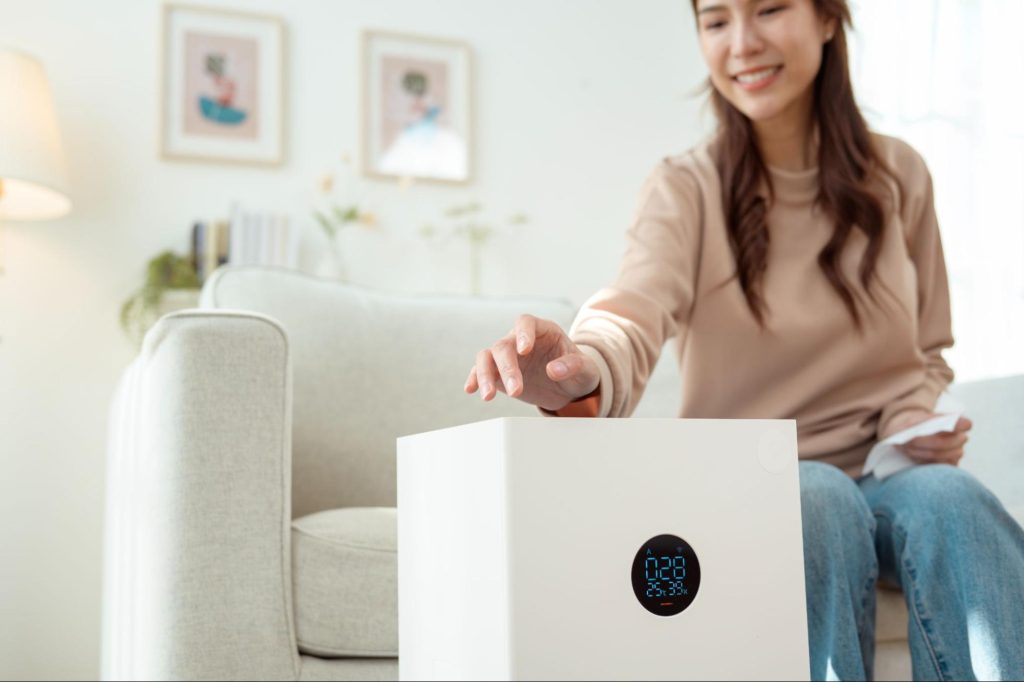
A woman using an air purification system.
Equipment Rentals

How an Ozone Air Cleaner Works to Remove Odors and Contaminants

How an Ozone Air Cleaner Works to Remove Odors and Contaminants Air quality is essential to our health, comfort, and overall well-being. When odors, smoke, mold, or other pollutants compromise indoor air, many turn to an ozone air cleaner as a powerful solution. These devices are designed to neutralize contaminants at the molecular level, often in situations where traditional filters fall short. But how exactly does ozone purification work, and when is it appropriate? This comprehensive guide explains how an ozone air cleaner operates, its strengths and limitations, and how it effectively eliminates stubborn pollutants from your environment. The Science Behind an Ozone Air Cleaner Understanding how an ozone air cleaner works begins with a basic understanding of chemistry. Ozone (O₃) is a molecule composed of three oxygen atoms. It occurs naturally in the Earth’s atmosphere and is known for its powerful oxidizing properties. How Ozone is Created in Air Cleaners Ozone air cleaners generate ozone using either ultraviolet (UV) light or corona discharge. UV ozone generators utilize shortwave ultraviolet light to split oxygen molecules (Oâ‚‚), which then recombine to form ozone. Corona discharge units, more common in commercial models, use an electrical arc to create the same reaction. Why Ozone is Effective Ozone is highly reactive. When it encounters pollutants such as bacteria, viruses, mold spores, or VOCs (volatile organic compounds), it breaks them down through a process known as oxidation. This reaction changes the chemical structure of the contaminant, neutralizing its harmful effects and eliminating associated odors. Where an Ozone Air Cleaner Excels: Targeting Tough Odors Not all air purifiers are built for the same job. One of the defining advantages of an ozone air cleaner is its effectiveness in removing persistent, embedded odors that traditional filters cannot handle. Smoke and Fire Damage Ozone is especially effective at neutralizing smoke particles and soot residues. After fire restoration, ozone treatment can eliminate the lingering smell that clings to furniture, carpet, and drywall. Mold and Mildew Odors While ozone does not replace mold remediation, it can significantly reduce musty odors and airborne mold spores in post-treatment environments. Pet and Cooking Smells Ozone treatments are effective for homes plagued by lingering pet dander, litter box odors, or strong cooking smells, such as fish, curry, or fried food. It targets the odor source rather than just masking it. How an Ozone Air Cleaner Removes Biological Contaminants An ozone air cleaner doesn’t just tackle smells—it also inactivates airborne microorganisms. This inactivation makes it a potential asset in improving indoor hygiene under specific conditions. Bacteria and Viruses Ozone oxidizes the cell walls of bacteria and viruses, disrupting their structure and rendering them inactive. This oxidation can help sanitize spaces in hospitals, gyms, and shared commercial buildings. Mold Spores Mold spores in the air are neutralized as ozone reacts with the proteins and enzymes that keep them viable. However, physical mold growth must still be removed manually for complete treatment. Dust Mites and Allergens Ozone can break down organic allergens, reducing their impact on sensitive individuals. Still, this should be combined with HEPA vacuuming and humidity control for maximum effectiveness. How to Use an Ozone Air Cleaner Safely and Effectively Due to its potency, using an ozone air cleaner correctly is crucial. While it can be a powerful deodorizer and sanitizer, improper use can pose risks to health and materials. Vacate the Area During Treatment People and pets should never occupy a space while ozone is in use. Ozone at high concentrations is harmful to the respiratory system. Treatment areas must be sealed off and ventilated afterward. Time-Controlled Usage Ozone generators should only run for a specific duration, typically between one and twelve hours, depending on the room size and the level of contamination. Most modern ozone air cleaners include timers and remote controls for this purpose. Post-Treatment Ventilation After the ozone cycle, wait an additional 30–90 minutes before re-entering the space. Open windows and run fans to disperse any residual ozone and ensure the air is safe to breathe. Comparing an Ozone Air Cleaner to Traditional Purifiers How does an ozone air cleaner compare to other popular purification technologies like HEPA filters, activated carbon, or UV-C lights? Each system has its strengths and ideal applications. HEPA and Carbon Filters HEPA filters are excellent at capturing particulate matter, and carbon filters excel at trapping gases and odors. However, neither destroys contaminants as effectively as ozone does. UV-C Purifiers UV-C light purifiers kill microbes using ultraviolet radiation. They’re safe for continuous use but are less effective at removing odors or VOCs unless paired with filtration. Electrostatic Air Cleaners These use charged plates to attract particles but do not neutralize odors or pathogens. Ozone offers a more aggressive response to embedded and airborne contaminants. Best Situations to Use an Ozone Air Cleaner An ozone air cleaner is not for daily use, but in the right situation, it’s the best tool for the job. Here are some scenarios where ozone is most effective. Real Estate Turnovers and Rental Units When cleaning a space for a new tenant or owner, ozone can erase signs of smoking, pets, or previous neglect. Water or Smoke Damage Restoration Restoration professionals often use ozone to deodorize areas affected by floods, fires, or sewage backups. It’s especially useful in crawlspaces and attics. Vehicles, RVs, and Boats Portable ozone machines are ideal for deodorizing vehicle interiors, particularly when spills, smoke, or mildew odors persist. Myths and Misunderstandings About Ozone Air Cleaners There’s no shortage of misinformation about ozone technology. Understanding what an ozone air cleaner can and can’t do is key to using it effectively and safely. Myth: Ozone Is Always Safe to Breathe False. While ozone is safe in the upper atmosphere, ground-level ozone is an irritant. High exposure to indoor pollutants can lead to coughing, chest pain, and lung irritation. Myth: More Ozone Means Better Cleaning False. Excess ozone doesn’t improve results and may damage sensitive materials, such as rubber, electronics, or upholstery. Follow manufacturer guidelines strictly. Myth: Ozone Replaces Cleaning Ozone is
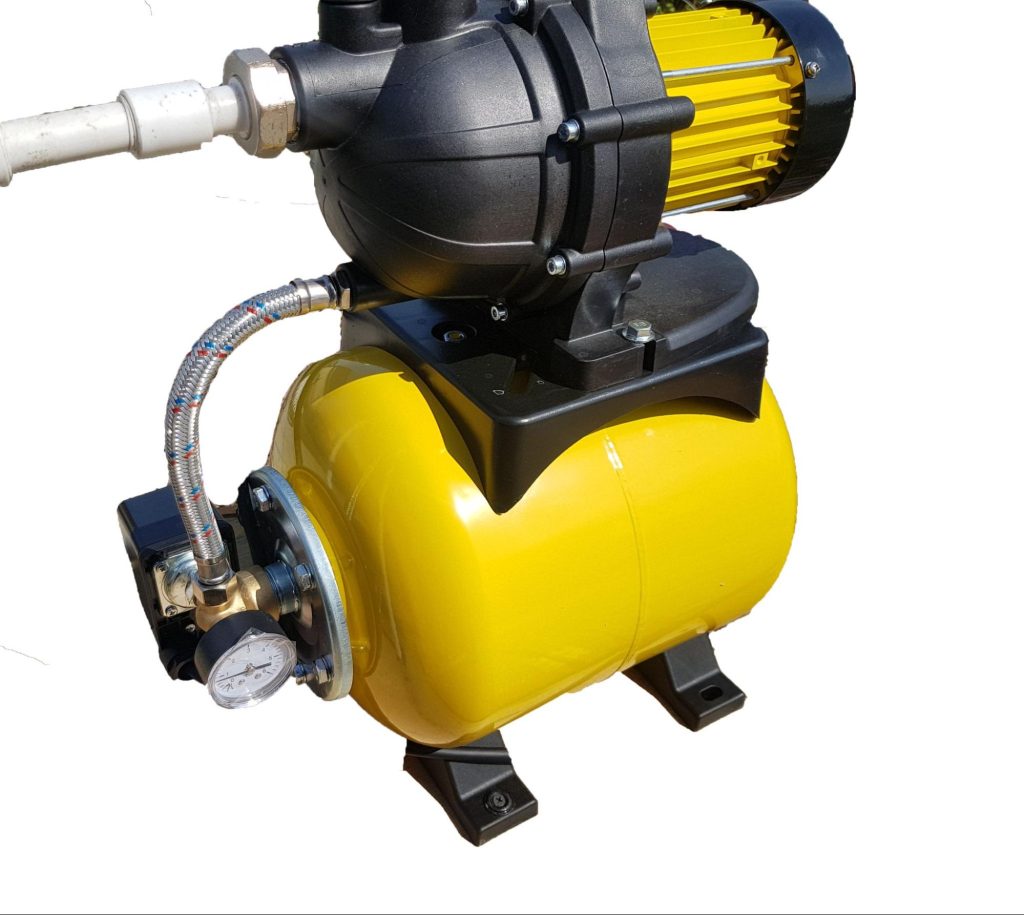
Yellow water pump rental equipment against a white background.
Equipment Rentals

Water Pump Rental Equipment Mistakes to Avoid (and How to Fix Them)

Common Mistakes to Avoid With Water Pump Rental Equipment Renting a water pump may seem like a straightforward process, but it’s easy to make costly mistakes if you’re unfamiliar with the equipment or the job requirements. Whether you’re draining a flooded basement, dewatering a construction site, or maintaining a pond, having the proper setup is essential. In this blog, we’ll walk through the most common missteps people make with water pump rental equipment and how to avoid them—saving you time, money, and unnecessary stress. According to the U.S. Environmental Protection Agency (EPA), proper water management and equipment maintenance are key to preventing contamination. Choosing the Wrong Size Water Pump Rental Equipment for the Job One of the most common errors is selecting a pump that’s too small or too large for the task. Water pump rental equipment must be matched precisely to the application to operate efficiently. Undersized Pumps Slow Everything Down A pump that doesn’t move enough water per minute can turn a short job into an all-day event. For flood situations or high-volume removals, using an undersized pump results in longer rental times and increased labor costs. Oversized Pumps Can Waste Fuel and Damage Systems Using a pump that’s too powerful can overwhelm your hoses, filters, or even the structure you’re working on. High-pressure pumps might damage delicate liners, foundations, or filtration systems. Misjudging Vertical Lift Requirements Many users underestimate the vertical distance that water must be lifted. This mistake can render even a powerful pump ineffective if it’s not rated for the required total dynamic head (TDH). Ignoring Flow Rate and Hose Compatibility Selecting a pump with the incorrect flow rate can lead to pressure mismatches or inefficient water movement. Ensure that your hoses and fittings are rated to match the pump’s output to avoid leaks and system strain. Misunderstanding the Capabilities of Water Pump Rental Equipment Not all pumps are created equal. Mistaking a trash pump for a clean water pump—or vice versa—can lead to breakdowns or system failure. Understanding what your water pump rental equipment can and cannot handle is crucial. Clean Water vs. Trash Pumps Clean water pumps are designed for clear, sediment-free water. Trash pumps, on the other hand, are made to handle solids, sludge, and debris. Mixing them up can cause clogs or internal damage. Electric vs. Gas-Powered Options Electric pumps are often quieter and more suited for indoor use, while gas-powered pumps offer higher mobility and power. Choosing the wrong type may limit your operational efficiency or access. Submersible vs. Engine-Driven Pumps Submersible pumps are ideal for tight or deep spaces, such as wells or pits, while engine-driven pumps are best for above-ground applications with easier access. Selecting the wrong configuration could make setup difficult or unsafe. Assuming All Pumps Can Handle Long-Distance Pumping Some pumps lose efficiency over long discharge runs. If your job requires pumping over long distances, verify that the unit is rated for that level of resistance and output. Otherwise, you could experience drastic performance drops. Overlooking Safety When Using Water Pump Rental Equipment Water pumps are powerful machines, and mishandling them can result in accidents or damage. Water pump rental equipment comes with manufacturer safety guidelines for a reason. Improper Hose Setup A kinked or poorly secured hose can burst or detach, causing flooding or injury. Make sure suction and discharge hoses are tightly clamped and laid out with no sharp bends. Lack of Grounding or Ventilation Electric pumps must be properly grounded to avoid electrical hazards. Similarly, gas-powered pumps require ventilation to prevent the buildup of carbon monoxide. Skipping Personal Protective Equipment (PPE) Operators should wear gloves, boots, and eye protection, especially when handling wastewater or water contaminated with chemicals. PPE helps protect against exposure to harmful substances and unexpected sprays. Ignoring Manufacturer Warning Labels Warning decals and labels are placed for a reason. Never bypass safety switches, cover ventilation ports, or alter pressure settings unless instructed to do so by the rental provider. Ignoring Site Conditions Before Deploying Water Pump Rental Equipment No matter how powerful or efficient your equipment is, it’s only as good as the environment in which it’s placed. Ignoring the physical conditions of your worksite can reduce the effectiveness of water pump rental equipment. Unstable Grounding Soft or shifting soil can cause the pump to tilt or sink, disrupting operation and risking spillage. Always place pumps on a flat, stable surface or platform. Obstructions in the Pumping Area Debris, sediment, and vegetation can reduce flow rates or clog the intake. Be sure to clear the area before placing the suction line. Failing to Prime the Water Pump Rental Equipment Many pumps—especially centrifugal ones—need to be primed before starting. Skipping this step with water pump rental equipment can cause overheating or internal damage. What Priming Does Priming fills the pump casing and suction line with water, enabling the impeller to function correctly. A dry pump can’t create suction, which means no water movement. How to Prime Properly Follow the manufacturer’s priming instructions, which typically involve adding water to a designated priming port until it overflows. Never assume the pump is self-priming unless it is clearly labeled as such. Forgetting to Plan for Power When Renting Water Pump Equipment Whether electric or gas-powered, water pump rental equipment requires a dependable power source, underestimating fuel needs or extension cord length is a recipe for interruptions. Inadequate Power Supply If using an electric pump, verify that your site has the correct voltage and amperage to support the unit. Avoid using multiple extension cords, which can reduce voltage and cause the pump to trip. Fuel Mismanagement For gas or diesel pumps, bring extra fuel and store it safely. Don’t assume the rental company provides a full tank of fuel. Running out mid-job is more common than you’d think. Disregarding Maintenance Needs for Water Pump Rental Equipment While rentals are temporary, they still require upkeep. Poor maintenance during operation can damage water pump rental equipment, leaving you responsible for the repair costs. Check Oil and

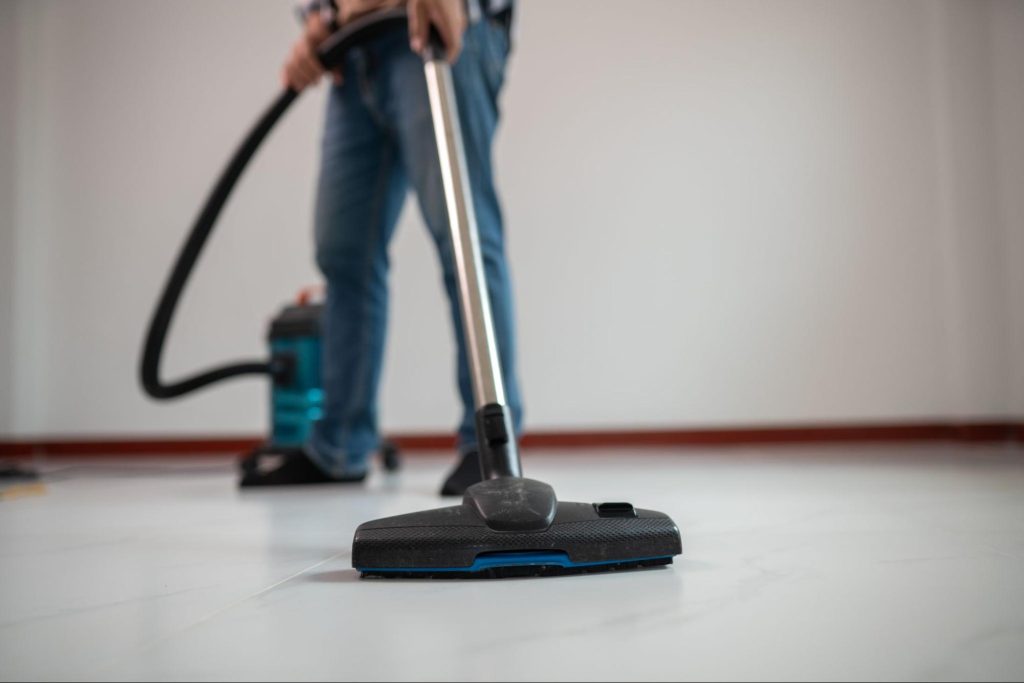
A cropped shot of a man vacuuming a floor.
Equipment Rentals

The Benefits of Using a Water Vacuum for Cleaning and Restoration

The Benefits of Using a Water Vacuum for Cleaning and Restoration A water vacuum effectively tackles deep cleaning and water damage restoration needs by combining strong suction and water filtration. This machine captures dust, debris, and moisture without releasing them back into the air, thus making it suitable for routine cleaning and post-damage recovery. Many restoration professionals rely on their wet and dry capabilities to manage flood cleanup, mold control, and fire damage residue. Using a water vacuum also helps reduce cleaning time, limits contamination, and supports healthier indoor environments. How a Water Vacuum Works in Cleaning and Restoration A water vacuum uses a built-in water filtration system to trap dirt, dust, and liquids directly into a tank, preventing them from recirculating in the air. It serves wet and dry functions, making it suitable for everyday and emergency restoration tasks. This machine combines strong suction, multi-surface performance, and easy disposal to handle large-scale cleanup without spreading contaminants. Built-In Water Filtration Captures Debris Efficiently Dirt and particles are pulled into a water tank, where they stay submerged, preventing airborne release. This method keeps the air cleaner during use and reduces the need for traditional dust bags or filters. Wet and Dry Function Handles Varied Messes Liquids and solids are removed in one process without switching tools. The vacuum easily transitions between spills, sludge, and dry waste. It’s designed to respond quickly to floodwater or everyday messes. Powerful Suction Pulls Contaminants From Surfaces Strong airflow extracts embedded grime from carpets, upholstery, and flooring. It helps reduce the buildup of residues that standard vacuums leave behind. This level of cleaning improves surface appearance and hygiene. Sealed Tank Prevents Contaminant Release Once inside the tank, debris remains contained until disposal. This setup reduces the chance of exposure during or after cleaning. It makes the system safer for use in sensitive or damaged areas. Easy Drain and Cleanup Simplifies Operation The water tank can be emptied without creating dust clouds or handling bags. Maintenance involves rinsing the container and resetting the filter, which speeds up the turnaround time between cleaning tasks. Key Advantages of Water Vacuum  A water vacuum offers features beyond what traditional vacuum cleaners provide, especially in environments where dust control and thorough debris removal matter most. It performs well on wet and dry surfaces, traps particles more securely, and keeps indoor air cleaner. Due to its sealed system and filtration setup, cleanup becomes more efficient and less hazardous. These differences give water vacuums a clear edge in household and restoration settings: Better Particle Containment Through Water Filtration Traditional vacuums often release fine dust back into the air. A water vacuum locks contaminants into a sealed tank filled with water, keeping them trapped until disposal. It lowers the risk of inhaling allergens during cleaning and helps reduce the spread of microscopic debris across surfaces. Handles Liquid and Solid Waste Without Extra Tools Switching between wet and dry messes doesn’t require equipment changes. The same machine can vacuum spilled liquids, dust, or debris without a separate mode. This flexibility saves time during intensive cleaning jobs. It also reduces interruptions in the cleaning workflow. Improves Indoor Air Quality While Cleaning Traditional vacuums often exhaust air filled with fine particles. A water vacuum traps particles in water and does not reintroduce them into the space. It creates a healthier environment, especially in spaces where air purity matters. The process also helps eliminate unpleasant odors more effectively. Reduces Risk of Cross-Contamination Traditional vacuums can spread bacteria and debris through open filters and bags. Water vacuums contain waste in a wet chamber, minimizing exposure. This setup works better for biohazard cleanup and water damage restoration. It also reduces direct contact with harmful substances during disposal. Water Vacuum Applications in Restoration and Deep Cleaning A water vacuum works beyond daily cleaning by addressing more complex restoration tasks involving moisture, dirt, and contamination. It supports professionals and property owners in cleaning after floods, fire damage, and construction messes. Its ability to trap particles in water prevents contamination from spreading during restoration. Using one device for multiple mess types also saves time and improves sanitation. These applications show how versatile and practical a water vacuum is during restoration and deep cleaning: Post-Flood and Water Damage Cleanup Water vacuums extract standing water quickly before it causes structural damage. They pull moisture from carpets, floors, and padding to reduce mold risk. This tool is effective in basements, crawlspaces, and other low-ventilated areas. It also efficiently removes excess moisture, supporting drying processes. Cleanup becomes safer and faster during recovery from water-related incidents. Fire Damage and Soot Removal Soot and smoke residue cling to surfaces and fabrics after a fire. A water vacuum removes fine particles without spreading them in the air. It works alongside odor-neutralizing treatments to restore air quality. This method supports surface prep before repainting or repairing damage. Cleanup teams rely on this machine to limit respiratory risks and grime buildup. Restoration of High-Traffic Commercial Spaces Commercial areas accumulate heavy dirt and spill buildup daily. Water vacuums clean flooring and upholstery without interrupting business hours. Janitorial teams use them to remove dry debris and liquid messes. They’re durable enough for frequent use and large-area coverage, making them a go-to tool for facility maintenance and post-construction cleaning. How a Water Vacuum Helps Cut Cleaning Costs and Time A water vacuum simplifies the cleaning process by combining multiple functions into one machine, eliminating the need for separate tools. Its design supports longer operating periods with less maintenance, which speeds up cleaning and reduces downtime. Restoration teams and cleaners benefit from faster job completion and lower equipment costs, making water vacuums a practical investment for ongoing maintenance and restoration work. Water vacuums are beneficial in saving cleaning costs and time by: Reducing Equipment Switching and Downtime Traditional cleanups often require separate tools for wet and dry messes. A water vacuum handles both, eliminating the need to pause and switch equipment. With this cleaning device, crews maintain a steady workflow without interruptions. Less equipment also

Scroll to Top