
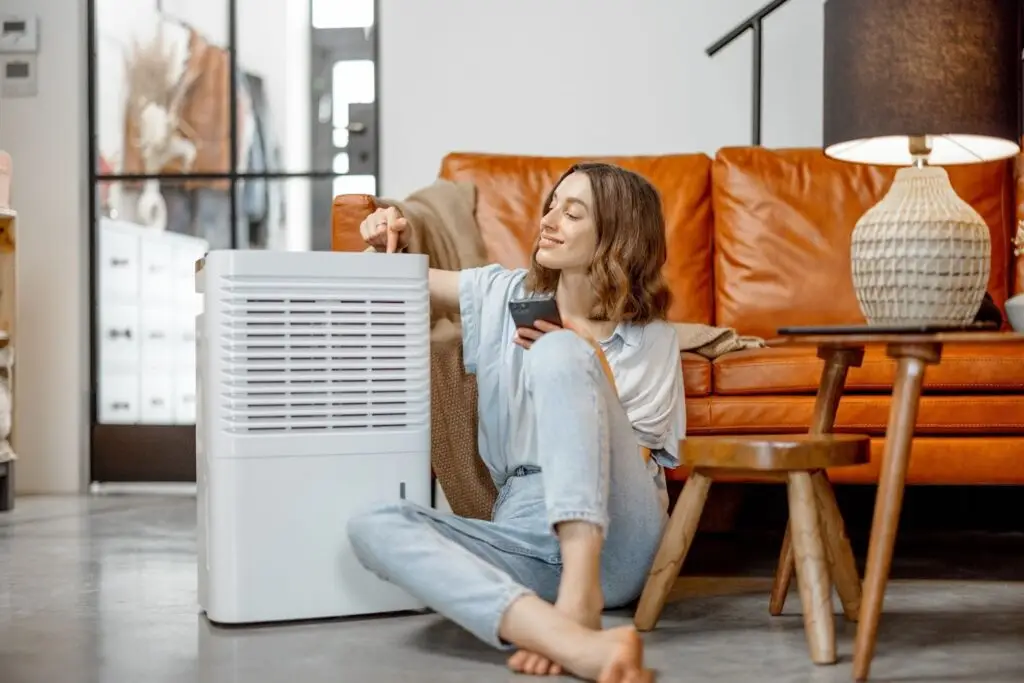
What Is Dehumidification and Why Is It Important for Your Home?
What Is Dehumidification and Why Is It Important for Your Home? When water finds its way into a building, the visible puddles are only part of the story. Moisture migrates into drywall, subfloors, insulation, and trim, where it quietly fuels mold, swells wood fibers, corrodes metals, and undermines finishes. Drying and dehumidification are the engines that pull that hidden moisture back out in a controlled, measurable way. By shaping temperature, airflow, and humidity to favor evaporation—and then capturing that vapor—dehumidification turns a wet, unstable environment into one that is clean, dry, and ready for rebuilding. Why Dehumidification Matters in the First 48 Hours The earliest hours after a leak, overflow, or storm intrusion determine whether a project remains a limited repair or spirals into a costly remediation. Without dehumidification, moisture lingers in cavities and coatings, allowing microbes to activate and materials to distort. Introducing dehumidification quickly reduces the total drying load, prevents “category creep” when clean intrusions become contaminated, and keeps indoor air quality stable for occupants and crews. In short, faster setup means fewer tear-outs, fewer surprises, and a cleaner paper trail for insurance. Dehumidification and the Science of Drying Drying is a balancing act between air conditions and material moisture. Dehumidification lowers ambient humidity so evaporated water has somewhere to go, while controlled heat and airflow encourage moisture to move out of wet substrates. When these variables are tuned together, materials release water efficiently without warping or trapping vapor in the wrong layer. The result is predictable progress you can verify with instruments rather than guesswork. Vapor Pressure and Equilibrium Moisture moves from areas of higher vapor pressure to lower pressure. Dehumidification lowers vapor pressure in the air so materials off-gas moisture instead of reabsorbing it. Temperature and Airflow Moderate warmth and directed airflow thin the boundary layer on wet surfaces. This speeds evaporation but must be paired with dehumidification so humidity does not rebound. Choosing Between Refrigerant and Desiccant Dehumidification Not all machines handle moisture the same way. Refrigerant dehumidifiers condense water by chilling air below its dew point, while desiccant units use moisture-loving media to pull vapor even from cool, dry air streams. Selecting the right approach—sometimes a combination—keeps the job in the optimal drying window regardless of season, altitude, or building constraints. When to Use Refrigerant In warm, moderately humid interiors, refrigerants remove large volumes of moisture efficiently. They shine during early phases when evaporation loads are high. When to Use Desiccant In cool climates, dense assemblies, or low-temperature starts, desiccants maintain strong drying even when refrigerants struggle. They also excel in long ducted setups. Dehumidification for Different Building Materials Every substrate stores and releases moisture differently. Dehumidification works best when paired with tactics tailored to the material’s permeability, thickness, and sensitivity to heat or airflow. Matching the method to the material prevents unnecessary demolition and protects finishes. Drywall and Insulation Gypsum wicks quickly and loses strength when saturated; wet insulation traps vapor. Opening targeted cavities and maintaining dehumidification prevents lingering odor and sag. Hardwood and Subfloors Wood holds bound water that releases slowly. Floor mats, gentle heat, and steady dehumidification avoid cupping or crowning while protecting fasteners and adhesives. Concrete and Masonry These dense materials emit moisture long after surfaces feel dry. Extended dehumidification and vapor checks avert flooring failures and adhesive breakdown. Hidden Cavities and Targeted Dehumidification Moisture loves voids: behind baseboards, under toe-kicks, inside wall chases, and above ceilings. Dehumidification paired with strategic access—vent holes, manifolded ducting, and cavity drying—removes trapped vapor without wholesale tear-out. Instruments guide where to open and when to close, so the building dries thoroughly rather than cosmetically. Finding What You Can’t See Thermal imaging and non-invasive meters reveal damp zones that look normal. This data points dehumidification where it matters most. Limiting Collateral Mess Containment and negative pressure keep dust and humidity inside the work zone. Clean rooms stay clean, and post-mitigation cleanup is lighter. Dehumidification for Indoor Air Quality and Safe Workflows As materials evaporate, humidity and particulates rise. Dehumidification keeps humidity in check, while filtration and pressure control keep particles from migrating into unaffected rooms. These steps protect occupants, safeguard sensitive equipment, and maintain a healthier environment for crews. Filtration and Odor Management HEPA filtration captures fine debris as dehumidification lowers moisture that feeds odors. Source removal always beats heavy fragrance cover-ups. Pressure and Pathways Maintaining slight negative pressure inside the work zone prevents cross-contamination. Door zippers and airlocks manage traffic without spreading dust. Monitoring, Documentation, and Insurance Alignment Through Dehumidification Good paperwork is as important as good equipment. Accurate meter readings, psychrometric logs, and daily photos show that dehumidification is doing its job. This record justifies equipment counts, explains selective removal, and supports approvals for the rebuild scope. Daily Logs and Targets Tracking ambient humidity, temperature, and material moisture proves progress. Clear endpoints prevent premature closure and expensive callbacks. Photo Evidence and Chain of Custody Before-during-after images, debris documentation, and signed authorizations keep claims organized. Everyone can see what was done and why. Energy, Power, and Placement Considerations for Dehumidification Running multiple machines requires safe power distribution and intelligent layout. Balanced circuits, tidy cord routing, and unobstructed airflow keep equipment efficient and reduce trip hazards. Good placement also shortens drying time, which cuts energy use and total runtime. Electrical Load Planning Mapping circuits avoids nuisance trips and downtime. Dedicated runs for high-draw devices keep the system stable. Airflow Without Short-Cycling Air movers should sweep surfaces—not blow directly into dehumidifier intakes. Proper spacing avoids recirculating already-dried air. Dehumidification in Occupied Homes and Businesses Not every project can shut down operations. With containment, scheduled equipment checks, and noise-aware placement, dehumidification can run while families live and staff work. Clear communication on pathways, door etiquette, and equipment touchpoints keeps everyone safe and the project on schedule. Comfort and Continuity Routing cords neatly and staging machines away from desks or bedrooms preserves routine. Regular check-ins reduce anxiety and interruptions. Protecting Sensitive Areas Server rooms, pharmacies, and labs demand extra caution. Dehumidification and filtration plans should be vetted