
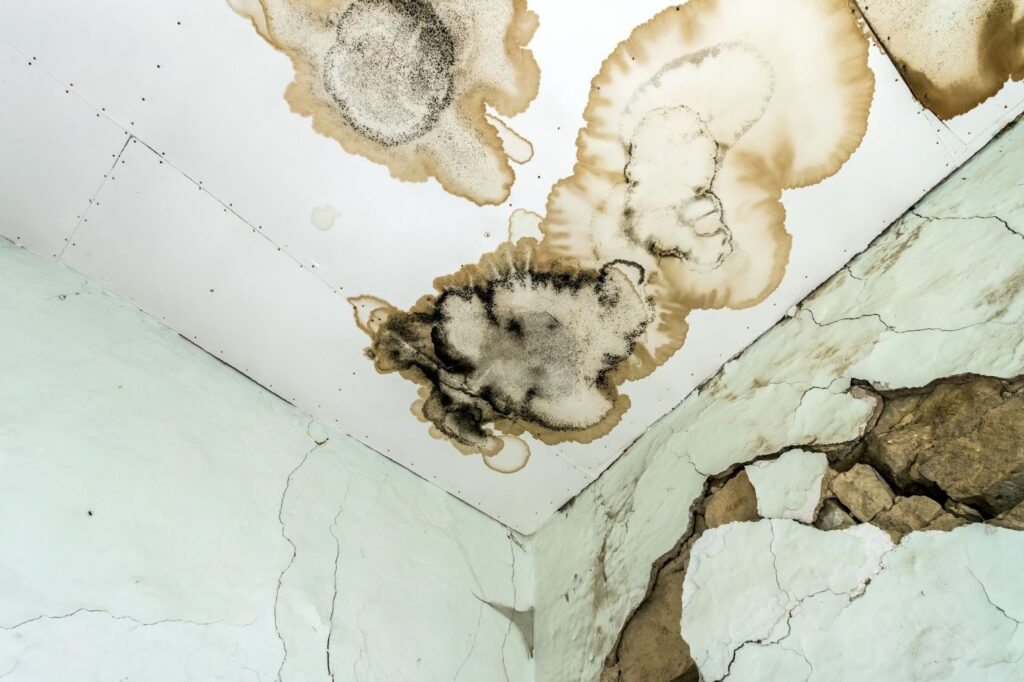
How Water Damage Mitigation Prevents Mold, Rot, and Structural Damage
How Water Damage Mitigation Prevents Mold, Rot, and Structural Damage When water intrudes into a home or business, the most expensive problems rarely appear on day one. They emerge days or weeks later as hidden moisture feeds mold, weakens structural members, and warps finishes. Effective water damage restoration interrupts that chain reaction by stopping the source, extracting liquid water, controlling humidity, and driving moisture out of materials safely. Done correctly, it protects health, preserves more building components, and shortens the road to a clean, fully functional space. Why Water Damage Mitigation Matters Within the First 24 Hours The first day sets the trajectory for everything that follows. Standing water wicks into drywall, trim, subfloors, and framing, moving from visible puddles into pores and joints where it becomes harder to remove. Rapid water damage mitigation limits that migration and reduces the overall drying load, which is the amount of moisture that must be evaporated and dehumidified. Swift action also minimizes the chance that clean intrusions escalate into contamination problems, maintains better indoor air quality, and prevents minor repairs from ballooning into demolition. By stabilizing conditions early, you protect both the structure and your claim outcome, because thorough documentation begins at the same time as the physical work. The Mold Equation in Water Damage Mitigation Unchecked moisture plus time equals microbial growth, and the timeline is shorter than most people expect. Water damage mitigation keeps humidity and material moisture below thresholds that allow spores to colonize, denying mold the environment it needs to expand. Spore Activation Basics Most interior spaces contain dormant spores that remain harmless until they find moisture and a food source. Drying quickly removes the trigger, so spores cannot germinate and spread. Moisture, Heat, and Time Warm temperatures accelerate growth when wet materials remain above safe moisture content. Controlling humidity and surface dampness breaks this cycle before colonies take hold. How Water Damage Mitigation Prevents Rot and Decay Wood is strong for its weight because of the bonds within its cellulose and lignin. Persistent moisture disrupts those bonds and invites decay organisms that digest structural fibers, first softening and then weakening members. By extracting water and drying assemblies to target moisture levels, mitigation denies fungi the prolonged dampness needed to thrive. This preserves shear strength at connections, keeps fasteners seated, and prevents sagging, racking, and door or window misalignment. The result is less structural repair, fewer invasive replacements, and a safer building envelope that continues to perform as designed. Structural Drying in Water Damage Mitigation Drying is both a science and a sequence. The goal is to create a controlled environment where moisture moves from wet materials into air that can actually hold it, and then remove that vapor continuously until targets are reached. Airflow Placement Air movers sweep damp boundary layers off surfaces so water can evaporate efficiently. Positioning follows the wettest paths and avoids blasting air into clean rooms that do not need it. Dehumidification and Heat Dehumidifiers capture vapor so humidity does not rebound and re-wet surfaces. Gentle heat raises evaporation rates without driving moisture deeper into dense materials. Measurement and Monitoring Moisture meters and daily readings confirm progress and expose hidden pockets. Adjusting equipment based on data speeds completion and prevents premature rebuilds. Water Damage Mitigation for Different Building Materials No two materials dry the same way, and treating them as if they do leads to delays and damage. Matching tactics to substrates keeps assemblies intact while returning them to safe, stable moisture levels. Drywall and Insulation Gypsum wicks quickly and loses strength when saturated, and wet insulation can trap vapor. Strategic removal allows cavities to ventilate and prevents long-term odor and sag. Hardwood and Subfloors Wood stores bound water that releases slowly, so controlled heat and floor mats help pull moisture to the surface. Careful pacing avoids cupping, crowning, and fastener corrosion. Concrete and Masonry Dense materials release moisture over time even after surfaces seem dry. Vapor checks and extended dehumidification avert flooring failures and adhesive breakdown. Hidden Moisture and Water Damage Mitigation in Cavities The most stubborn moisture hides behind baseboards, under toe-kicks, and inside wall and ceiling cavities. Water damage mitigation opens strategic access points to relieve trapped vapor, using vent holes, plenum drying, and directed airflow to move moisture out without dismantling entire assemblies. Thermal imaging and non-invasive meters help locate damp zones that look normal to the eye, while containment keeps particles and humidity from migrating into clean areas. Addressing concealed moisture protects indoor air quality and prevents mold and odor that would otherwise resurface after cosmetic repairs. Indoor Air Quality During Water Damage Mitigation Drying work changes the air as water evaporates and materials are cleaned or removed. Managing that air is critical to health and project success, because poor handling lets dust and spores travel where they should not. Containment and Pressure Plastic barriers and negative pressure isolate the work zone so particles do not escape. This approach keeps adjacent rooms usable and reduces cleanup at the end. Filtration and Odor Control HEPA filtration captures fine debris, while source removal handles smells more effectively than cover-ups. Balanced ventilation clears residual humidity and leaves spaces fresh. Documentation and Insurance Alignment for Water Damage Mitigation Transparent records are as protective as pumps and fans. Photos, moisture maps, and equipment logs show why certain materials were removed, how drying was achieved, and when targets were met. This evidence supports an accurate scope, helps coordinate with adjusters, and prevents disputes about cause, coverage, or completion. When contractors tie their plan to recognized practices, they create a defensible path from emergency response to rebuild, which keeps timelines predictable and approvals moving. Contents Restoration as Part of Water Damage Mitigation Buildings are only half the story; belongings carry both practical and sentimental value. The mitigation plan sorts items by material, exposure, and value to decide what to remove, what to clean in place, and what to restore off-site. Porous goods that contacted contaminated water often cost more to salvage than to replace, while