
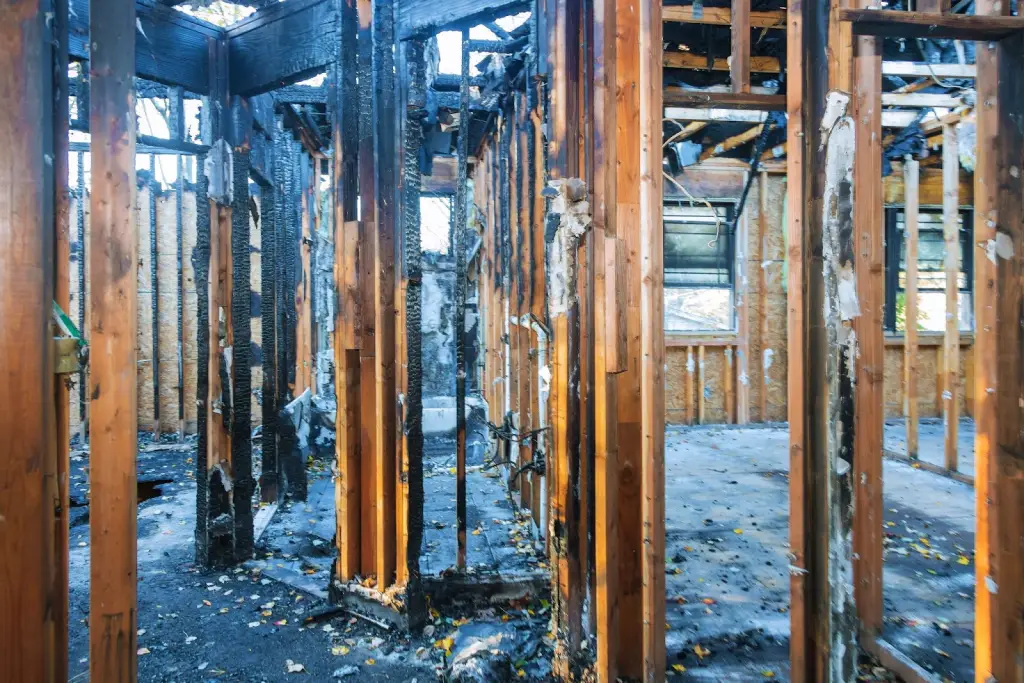
Restoration Services vs Renovation: How to Decide Wisely
Restoration vs Renovation: How to Choose the Right Path After Damage Water, fire, and time all leave their marks on buildings, but not every project that follows is the same. Some aim to make a space look new or function better. Others are focused on undoing damage and stabilizing the environment so that life can resume safely. That split—between renovation and restoration—is more than just a matter of vocabulary. It changes the scope, sequencing, risk profile, and even who pays. Understanding how restoration services differ from renovation work helps property owners set realistic expectations, choose the right professionals, and protect both their budgets and health. Restoration Services Focus on Returning What Was Lost The core mission of restoration services is to restore a structure to its pre-loss condition after an event such as a flood, fire, or storm. For official safety recommendations on post-disaster cleanup, see the FEMA guidelines on water and mold damage. The emphasis is on stabilizing the building, removing contamination, and repairing only what the incident actually harmed. Where renovation is elective and aspirational, restoration is urgent and corrective. Success isn’t measured by how trendy the finishes look; it’s measured by moisture readings, air quality metrics, and whether the building is safe to occupy. Because time amplifies damage, crews mobilize quickly with containment, drying, cleaning, and selective demolition to stop deterioration and preserve materials that can be saved. Renovation Work Pursues Upgrades While Restoration Services Preserve Core Elements Renovation projects aim to improve value, efficiency, or aesthetics, often by replacing or reconfiguring existing components. Restoration services safeguard what remains sound and remove what’s unsalvageable. Think Function Before Finish In restoration, the priority is structural integrity, dryness, and cleanliness; style choices are made once the building is stable. Original Materials Matter Saving existing assemblies reduces disruption and waste, and it preserves the character that renovation might otherwise replace. Restoration Services Start With Stabilization In the first hours after a loss, the proper sequence matters more than the right paint color. Restoration services open with hazard assessments, source control, and containment to prevent cross-contamination. Professionals often follow the IICRC S500 water damage restoration standard, which defines the correct drying and decontamination process. Technicians extract standing water, set up negative air or pressure differentials, and deploy drying systems to remove moisture from building assemblies. Only when the structure meets drying goals do they transition to cleaning, odor neutralization, and selective rebuild. Renovation, by contrast, typically begins with design and budgeting, then proceeds to elective demolition and finish selection. The sequencing difference reflects the underlying purpose: restoration halts damage first; renovation creates improvements. Unique Hazards Presented by Restoration Services Restoration projects often encounter conditions that typical remodels rarely face, including Category 3 water, soot and smoke residues, compromised electrical systems, or microbial contamination. Contaminants Require Controls Professional containment, PPE, and validated cleaning protocols ensure the safety of occupants and crews while work proceeds. Documentation Isn’t Optional Moisture logs, photos, and clearance data demonstrate that hazards were mitigated, justifying the scope of work to insurers. How Restoration Services Align With Insurance Claims Most restoration projects intersect with insurance policies that define what is covered and how it must be documented. Restoration services teams are accustomed to writing scoped estimates that map directly to policy language and building codes, using line items that reflect industry standards. Homeowners can also review the Insurance Information Institute’s claim process guide to understand documentation requirements. They provide cause-of-loss notes, equipment logs, and measurements that support the claim file and withstand audit. Claims rarely drive renovation work; instead, it typically follows owner preferences and investment goals. That distinction influences approvals, timelines, and even materials choices, because the objective in restoration is indemnity—returning to pre-loss condition—rather than discretionary upgrades. Restoration Services Versus Discretionary Renovation Costs behave differently depending on the project’s purpose. Renovations heavily emphasize materials and finishes; restoration budgets, however, disproportionately allocate resources to mitigation, equipment time, and specialized labor. Time and Equipment Drive Cost Dehumidifiers, air movers, HEPA filtration, and containment remain on site for days, and their runtime is a core budget component. Scope Matches Proven Damage Adjusters and owners expect to pay for what the loss caused—not for nice-to-have upgrades—so estimates are evidence-based. Timeline for Restoration Services While a remodel might wait on finish samples or permit sequencing, restoration services proceed immediately to prevent secondary damage. The first 24 to 72 hours are decisive: remove liquid water, stabilize humidity, and prevent microbial growth. Schedules are measured in day-by-day drying targets rather than milestone design approvals. Once the structure is clean and dry, a limited rebuild can proceed quickly to restore habitability. Renovations often run longer precisely because they include elective scope, custom orders, and expanded inspections; in restoration, every day of delay can worsen conditions and increase costs. Restoration Services Guard the Breathing Zone Damage events change the air long before they ruin finishes. Wet materials off-gas, soot coats surfaces, and spores can flourish if humidity spikes. Restoration services treat air as part of the job, not an afterthought. Containment Protects Clean Areas Barriers and pressure controls keep particulate and odors from migrating into rooms that were not impacted. Filtration and Verification Matter HEPA capture and post-work checks help ensure the air quality returns to normal as the structure dries and is cleaned. Standards That Govern Restoration Services Restoration draws on published industry standards and best practices that define categories of water, classes of damage, acceptable moisture content, and cleaning protocols. Technicians use moisture meters, hygrometers, and, in some cases, thermal imaging to map wet areas and measure progress. The notion of “quality” is quantified: materials must return to target dryness, odors must be neutralized, and surfaces must be clean to a defined level. Renovation quality is more subjective, often judged by the fit and finish, as well as owner satisfaction with colors, layouts, and features. The metrics differ because the missions differ. Where Renovation Shines and Restoration Services Step Back Renovation is where design takes center stage. You might reconfigure a kitchen, swap