
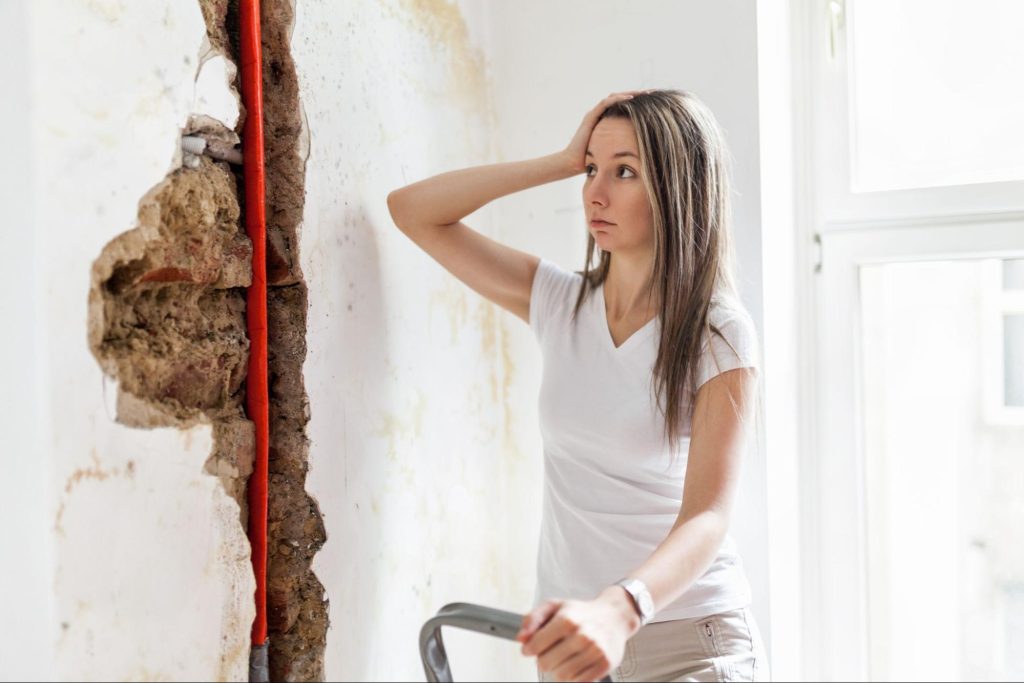
Water Damage? 7 Quick Fixes to Save Time and Money
Fixing Water Damage: Where to Start After a Leak or Flood Fixing water damage isn’t just cleanup—it’s a race against time. Within hours, floors can warp, ceilings sag, and musty odors set in. The smartest approach is to stabilize safety, remove moisture quickly, and prevent mold before it spreads. Use the steps below to fix water damage fast and protect your home’s structure and air quality. Why the First Steps in Water Damage Repair Matter The first steps you take after a leak or flood shape everything. Delayed or misdirected action can lead to mold growth, structural issues, and higher repair bills. Worse, it can force you to redo work that was rushed or done without proper inspection. By knowing where to begin, you avoid compounding the damage and wasting time. Prioritizing safety, moisture removal, and smart decisions sets the tone for a smoother recovery. It also gives you a better foundation for dealing with insurance, contractors, and long-term fixes. Fixing Water Damage: What to Do First Standing in a flooded room can freeze you in place. Your mind races, but your body hesitates because you don’t know what to do first. Acting without a plan risks exacerbating the damage. Taking the wrong step wastes time, money, and effort. Starting in the right place isn’t just helpful; it’s critical. Once you’ve secured safety, the next move is moisture removal. Take Safety Precautions Before Starting Water damage often hides more than wet floors and soggy walls. It can bring electrical hazards, structural risks, and contaminated water into your space. Before rushing to dry or remove anything, step back and evaluate the environment for danger. Your safety and that of your household depend on how you begin. Shut Off Power Sources and Stay Alert Turn off the power at the main breaker if water reaches outlets, wires, or appliances. Even shallow flooding may energize parts of your home you can’t see. Electrical current moves through standing water and poses immediate danger. If you smell gas or hear hissing, leave the house and call emergency services. Avoid touching anything plugged in or using lights until cleared by a professional. Safety comes before salvage. Wear Protective Gear in Affected Areas Before stepping into any wet space, protect yourself adequately. Floodwater often carries bacteria, sewage, oil, and sharp debris. Rubber boots, nitrile gloves, and a high-filtration mask help guard against skin infections and respiratory issues. Avoid wearing everyday shoes or going barefoot, as minor cuts can become serious health risks. If you’re cleaning, long sleeves and goggles also help reduce exposure. Keep all children and pets completely out of the area. Call for Help if You Suspect Structural Risk If floors feel soft or ceilings sag, there may be hidden damage. Water can weaken framing and drywall faster than most people expect. Avoid walking on suspect flooring or touching damaged walls. Restoration teams have tools to check for rot, trapped moisture, and collapse risks. Their reports also help with insurance claims. Getting expert eyes on the scene protects you from future surprises. Fixing Water Damage Fast: Remove Water Quickly After securing the area, move quickly to remove the water. Moisture spreads quickly through floors, walls, and hidden layers. Every extra hour gives mold a head start and weakens the building further. Quick action now saves you time and money later. Remove Surface Water as Soon as It’s Safe Use wet/dry vacuums or portable sump pumps to clear pooled water. If these aren’t available, buckets and mops work in a pinch. Focus first on low points where water collects and spreads. Soaked carpets and rugs should be pulled back or removed entirely. Even if they seem dry on top, the padding underneath traps water. The faster you remove it, the less cleanup you’ll face later. Boost Airflow to Dry Rooms Efficiently Once surface water is gone, turn your focus to ventilation—open windows and set up fans to push humid air outside. Airflow helps evaporate water trapped in walls, trim, and subfloors. Angle fans toward wet corners and rotate them every few hours. Use industrial-grade air movers or rent high-velocity fans from a local supplier for the best results. Constant circulation prevents stale, damp air from lingering. Lower Humidity With Dehumidifiers Moisture doesn’t just sit on surfaces; it hangs in the air. Dehumidifiers draw water from both the air and anything they touch. Use a large-capacity model for rooms with no cross-breeze or high humidity. Run it continuously for at least 48–72 hours. Empty the tank regularly or hook up a drain hose. Keep doors closed to allow it to work efficiently. Spot Hidden Moisture With Proper Tools Even after the surface dries, moisture may still hide in your structure. Use a moisture meter to check baseboards, drywall, and flooring. These tools help detect water that can’t be seen or felt. If you don’t own one, many home improvement stores rent them. You can also call in a restoration company for thermal imaging scans. Finding trapped moisture early helps prevent deeper damage. Know What Can Be Saved and What Must Go After removing the water, the objective evaluation begins. Not every item in a water-damaged property is a total loss. Some materials can be dried and restored, while others may trap moisture and become breeding grounds for mold. Making informed decisions now prevents long-term issues like decay, indoor air problems, and repeat repairs. Evaluate Structural Materials First Start with walls, floors, and ceilings. Drywall absorbs water quickly and loses strength quickly. It usually needs to be cut out and replaced if it’s soft, sagging, or discolored. Insulation behind walls often holds water, which promotes mold, so inspect it closely. Solid wood framing may be salvageable if dried quickly and correctly. Any visible mold or soft spots are signs it’s time to replace the material. Check Flooring and Subfloor Conditions Flooring materials respond differently to water. Hardwood can sometimes be restored if dried immediately and treated for mold. Laminate flooring tends to swell and warp, making it