
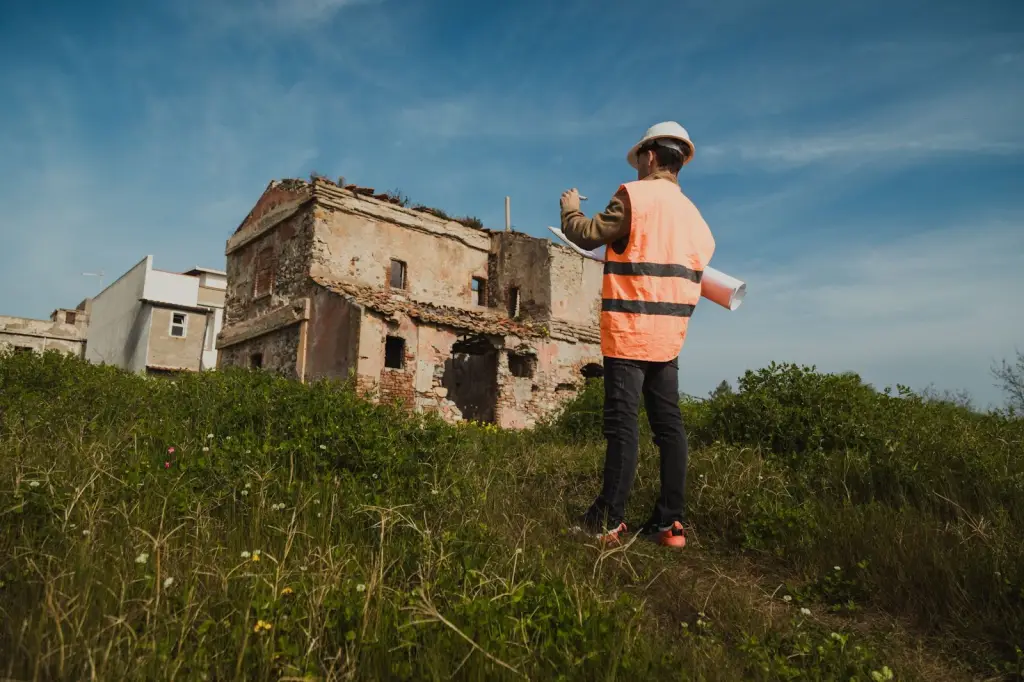
Why Professional Assessments Are Essential in Home Restoration
Why Professional Assessments Are Essential in Home Restoration When disaster strikes or years of wear finally surface, restoring a home becomes more than a cosmetic project. Property owners face layers of decisions, from repairing damage to preventing it from happening again. The pressure to act fast can cloud judgment, leading to rushed choices or missed issues. Getting the complete picture early gives homeowners clarity, control, and direction. That’s where the expertise of a professional assessment truly changes everything. Why Assessments Matter in Home Restoration Professional assessments are the cornerstone of any home restoration project. They provide the clarity needed to move forward without wasting time or resources. Without them, property owners often rely on guesswork or visual cues, which rarely tell the whole story. Accurate evaluations reduce confusion and create a reliable foundation for every subsequent decision. Understanding the Scope of Damage A home can look fine on the outside but be falling apart inside. Cracks in the walls may hint at foundation issues, or water stains could signal widespread mold. Only professionals know where and how to look beyond the surface. They use tools, knowledge, and experience to detect structural issues, moisture problems, and safety hazards that go unnoticed by the untrained eye. Restoration work often covers issues without this level of scrutiny, instead of solving them. Prioritizing Repairs With Precision Professional assessments help determine what must be fixed now and what can wait. This sequencing prevents wasteful spending on low-priority areas. For example, addressing cosmetic drywall damage before fixing a roof leak leads to repeat repairs. With a prioritized plan, every dollar spent directly contributes to long-term recovery. That clarity saves not just money but also time and stress. Estimating Costs With Confidence One of the most stressful parts of home restoration is the cost. Without a proper assessment, budgeting becomes a guessing game. Professionals offer detailed reports that break down repair needs and likely expenses. These reports allow homeowners to plan, seek financing, or negotiate with insurance effectively. No one wants surprises mid-project, but an expert assessment can avoid them entirely. Why Assessments Come First in Home Restoration Restoring a damaged home without a professional assessment is like building on uncertain ground. What looks minor often hides deeper structural or safety risks. Homeowners need more than visual cues; they need clear, expert-driven insight. The following are the reasons professional evaluations should be your first step before any repair begins. Expert Insight Helps Protect Property Value Restoration should do more than patch up damage. It should protect, if not improve, your home’s long-term worth. A proper assessment gives homeowners the strategy to make decisions that strengthen property value. It also guards against the hidden consequences of quick fixes. Ensures Structural Integrity When structural issues go unchecked, property value takes a direct hit. Professional assessments focus first on the home’s foundation, walls, beams, and roof. Even a small crack or shift in weight-bearing walls can compromise the entire structure. Restoring without this insight could put the whole project at risk. These evaluations ensure the work being done builds strength, not just appearances. Meets Code and Compliance Standards Restoration must follow building codes, zoning rules, and permit requirements. Professionals stay updated on local regulations and ensure the home meets all legal standards. This step prevents fines, delays, or forced rework down the line. Moreover, if the property is ever sold, documentation of compliant restoration improves buyer trust. It’s not just about passing inspections but about restoring credibility and safety. Prevents Future Damage Damage rarely happens in isolation. A leak today could grow into mold tomorrow. Professionals trace damage to its root cause, helping homeowners fix it at the source. That means sealing vulnerabilities, improving drainage, or upgrading outdated materials. Long-term protection only works when assessments look ahead, not just at what’s already broken. Reinforces Insurance Coverage and Resale Value A detailed third-party assessment report can become valuable during insurance negotiations or property sales. Buyers and insurers trust verified documentation over verbal claims. This added layer of credibility helps homeowners prove the value of their repairs and reassures future buyers that no corners were cut. Assessments pay off even after the dust settles. Professional Evaluations Enhance Safety Restoration isn’t only about aesthetics or resale; safety is often the core concern. Professional assessments help prevent accidents, health risks, and future emergencies. They bring hidden dangers into focus so they can be addressed before causing harm. Safety must be built into the process, not tacked on afterward. Detects Hazardous Materials Older homes may contain lead paint, asbestos insulation, or other harmful substances. These are dangerous to handle without the right tools and certifications. Professionals identify these materials and arrange for safe removal. DIY testing can release toxins into the air, putting everyone at risk. Trusting certified assessors is not just smart; it’s necessary for health. Evaluates Electrical and Plumbing Systems Outdated wiring or hidden leaks can turn restoration into a fire hazard or water disaster. These systems must be inspected before replacing walls, floors, or ceilings. Professionals test loads, check breakers, and evaluate pipe pressure. This procedure catches risks like overheated wires or pipe corrosion. Restoration without this step often leads to tearing things apart twice. Analyzes Fire and Water Damage Damage after a fire or flood can be deceptive. Walls may look intact but be warped inside, or insulation could be soaking wet while the drywall appears dry. Trained assessors know how to evaluate the depth of damage, not just the surface. Their findings dictate which materials must be removed and which can be salvaged. Skipping this step leads to rot, mold, or structural weakening. Secures Entry Points and Accessibility Safety also involves how people enter, exit, and move through the home. Restoration assessments evaluate steps, railings, locks, lighting, and pathways. This step is essential for families with children or older adults. Upgrades to safety features are best made during restoration, not afterward. Assessments ensure that those improvements aren’t overlooked. Accurate Evaluations Cut Costs and Delays Home restoration is expensive even