
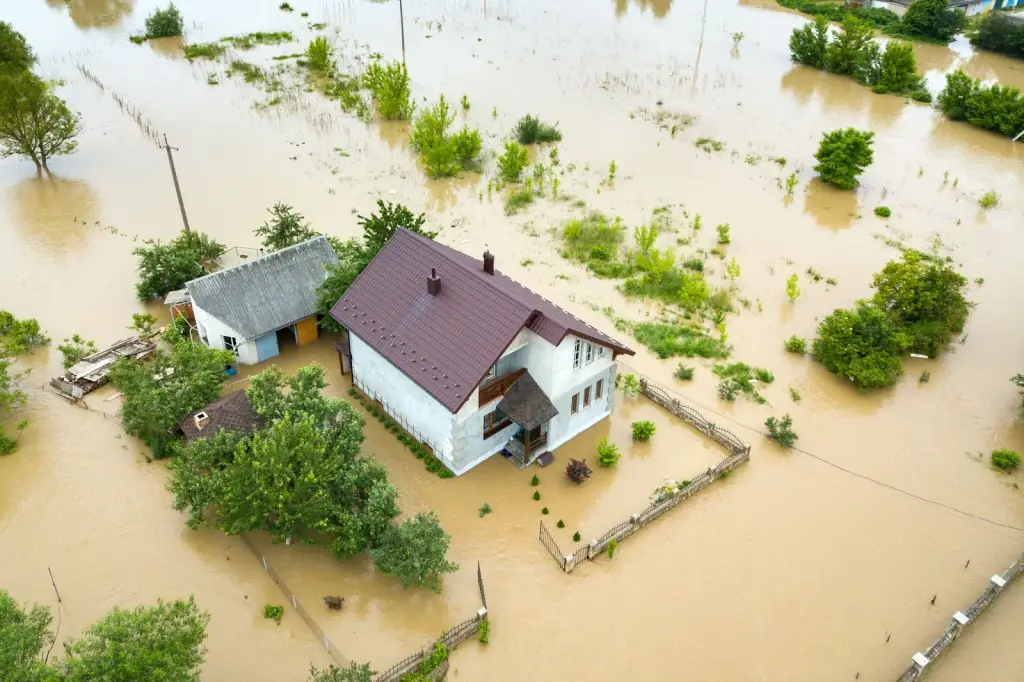
What Does a Water Mitigation Company Do?
What Does a Water Mitigation Company Do? Water damage doesn’t just ruin floors or walls; it disrupts lives. A single burst pipe or flooded basement can make property owners panic. You’re not looking for a mop in that moment—you need a fast, professional response. That’s where a water mitigation company comes in, stopping damage before it worsens and setting the stage for recovery. What is a Water Mitigation Company’s Role? A water mitigation company protects property after water damage starts. These professionals assess the situation, remove excess water, dry the structure, and prevent further issues like mold or rot. Their primary focus isn’t on rebuilding but on stopping the damage from worsening. Restoration comes later; mitigation is the first and most urgent step. The Difference Between Mitigation and Restoration Mitigation limits damage, while restoration repairs what’s already broken. For example, a mitigation crew might remove wet drywall to stop mold, but won’t install new drywall because that’s the restorer’s job. Water mitigation happens immediately after the emergency. It involves quick, strategic action to stabilize the site. Skipping or delaying this step can turn a simple fix into an expensive rebuild. That’s why mitigation always comes first. Common Water Disasters That Need Mitigation Mitigation services apply to a wide range of emergencies. Broken supply lines, sewage backups, storm flooding, and HVAC leaks are all reasons to call in help. Even a minor leak behind a wall can lead to bigger problems if left untreated. Water damage often spreads invisibly, under floors or inside ceilings. A professional water mitigation company uses moisture-detecting tools to find damage you can’t see. Quick action protects your property and your health. Why Fast Response Makes the Difference Time works against you after a water incident. Drywall absorbs water in minutes, and mold can begin forming within 24 hours. Wet wood warps and weakens if not dried properly. The longer the delay, the more widespread and expensive the damage becomes. A local mitigation company that arrives fast can make a measurable difference in cost, cleanup time, and safety, because every minute saved matters. Water Mitigation Company Services Explained Water mitigation companies offer structured services designed to contain and control damage. They don’t just show up with fans but with specialized tools, trained crews, and a straightforward process. The goal is always to reduce damage and prepare the property for safe restoration. Each service protects the building, air quality, and contents. Inspection and Moisture Mapping The process starts with a thorough inspection. Technicians identify where the water has gone, not just where it’s visible. They use infrared cameras and hygrometers to track hidden moisture inside walls and floors. Moisture mapping helps decide what materials need removal and where to focus drying efforts. It creates a customized mitigation plan for your specific property. Without this step, hidden moisture may lead to mold or rot later. Water Removal With Extraction Tools Once the plan is set, the next step is to remove any standing water. Mitigation companies use high-powered pumps and extractors to pull water out of carpets, subfloors, and hard surfaces. Extraction reduces drying time and prevents water from soaking deeper into materials. Technicians work methodically to cover every room and surface affected. In multi-level buildings, they also check crawlspaces, ceilings, and attics. Removing water quickly is critical to stopping additional damage. Drying, Dehumidifying, and Air Movement After water is removed, the drying process begins. Industrial air movers push air across surfaces to speed evaporation. Large dehumidifiers then pull that moisture from the air to prevent mold. Teams monitor temperature, humidity, and moisture levels throughout the process. These readings guide adjustments to equipment placement and drying timelines. If a structure isn’t dried correctly, it risks long-term structural weakness and contamination. Mold Prevention and Antimicrobial Treatments Where there’s moisture, mold isn’t far behind. A good mitigation company doesn’t wait for visible mold to appear; they take steps to prevent it. They apply antimicrobial agents to high-risk surfaces and use HEPA air scrubbers to capture airborne spores. If mold has already formed, technicians isolate the area to prevent it from spreading. They then clean, treat, or remove contaminated materials. It safeguards both the structure and indoor air quality. Damaged Material Removal and Site Cleanup Some materials, like drywall, carpeting, or insulation, can’t be saved once they’re soaked. Mitigation teams safely remove and dispose of them according to industry and local guidelines. They also clean the area with disinfectants to eliminate bacteria and unpleasant odors. Odor control is significant after gray or black water exposure. Once everything is dry and sanitized, they prepare the site for restoration. Clean handoff between mitigation and rebuild teams avoids costly delays. Flood Damage Cleanup After Rising Water Events Flood damage cleanup is one of the most urgent services these companies provide. Floodwater, especially from outside sources, often contains bacteria, debris, and other contaminants. Mitigation crews extract water quickly, remove damaged materials, and disinfect all surfaces. They also assess moisture in walls, subfloors, and insulation to prevent rot or mold. Since floodwater can spread far beyond where it’s visible, every inch of the property is inspected. Proper cleanup prevents secondary issues and helps support insurance claims. Storm Damage Cleanup and Structural Safety Storm damage cleanup often involves both water removal and temporary repairs. Heavy rain, wind-driven water, or broken windows can flood a home in minutes. Mitigation teams begin by stopping incoming water, covering openings, and clearing debris. Once the structure is secure, they extract water, dry, and clean contaminated surfaces. Electrical hazards and structural issues are also addressed during this phase. The goal is to stabilize the home and make it safe for repair work to begin. How a Water Mitigation Company Protects Property Mitigation companies don’t just clean; they protect everything valuable about your home, including structure, air quality, and personal belongings. Their work reduces repair costs, limits future issues, and preserves what matters most. Prevention is their priority at every step. Structural Drying and Risk Reduction Wet studs, beams, and subfloors lose strength