
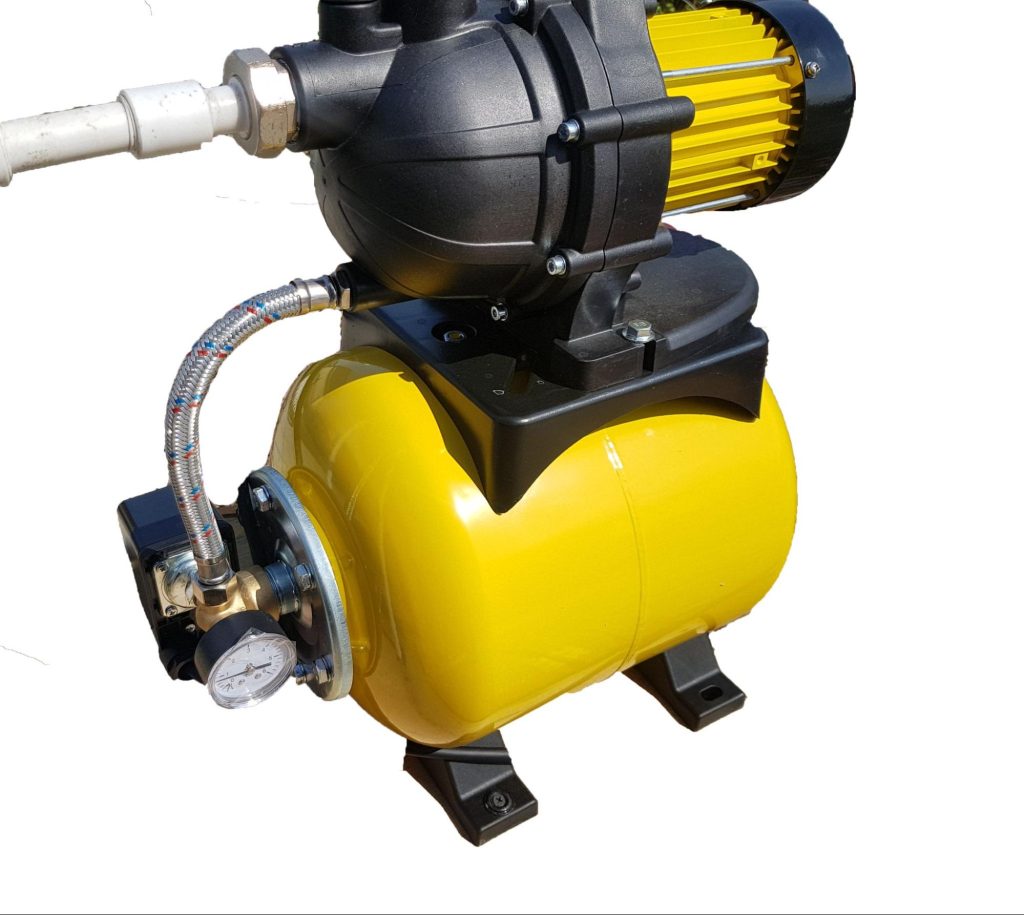
Water Pump Rental Equipment Mistakes to Avoid (and How to Fix Them)
Common Mistakes to Avoid With Water Pump Rental Equipment Renting a water pump may seem like a straightforward process, but it’s easy to make costly mistakes if you’re unfamiliar with the equipment or the job requirements. Whether you’re draining a flooded basement, dewatering a construction site, or maintaining a pond, having the proper setup is essential. In this blog, we’ll walk through the most common missteps people make with water pump rental equipment and how to avoid them—saving you time, money, and unnecessary stress. According to the U.S. Environmental Protection Agency (EPA), proper water management and equipment maintenance are key to preventing contamination. Choosing the Wrong Size Water Pump Rental Equipment for the Job One of the most common errors is selecting a pump that’s too small or too large for the task. Water pump rental equipment must be matched precisely to the application to operate efficiently. Undersized Pumps Slow Everything Down A pump that doesn’t move enough water per minute can turn a short job into an all-day event. For flood situations or high-volume removals, using an undersized pump results in longer rental times and increased labor costs. Oversized Pumps Can Waste Fuel and Damage Systems Using a pump that’s too powerful can overwhelm your hoses, filters, or even the structure you’re working on. High-pressure pumps might damage delicate liners, foundations, or filtration systems. Misjudging Vertical Lift Requirements Many users underestimate the vertical distance that water must be lifted. This mistake can render even a powerful pump ineffective if it’s not rated for the required total dynamic head (TDH). Ignoring Flow Rate and Hose Compatibility Selecting a pump with the incorrect flow rate can lead to pressure mismatches or inefficient water movement. Ensure that your hoses and fittings are rated to match the pump’s output to avoid leaks and system strain. Misunderstanding the Capabilities of Water Pump Rental Equipment Not all pumps are created equal. Mistaking a trash pump for a clean water pump—or vice versa—can lead to breakdowns or system failure. Understanding what your water pump rental equipment can and cannot handle is crucial. Clean Water vs. Trash Pumps Clean water pumps are designed for clear, sediment-free water. Trash pumps, on the other hand, are made to handle solids, sludge, and debris. Mixing them up can cause clogs or internal damage. Electric vs. Gas-Powered Options Electric pumps are often quieter and more suited for indoor use, while gas-powered pumps offer higher mobility and power. Choosing the wrong type may limit your operational efficiency or access. Submersible vs. Engine-Driven Pumps Submersible pumps are ideal for tight or deep spaces, such as wells or pits, while engine-driven pumps are best for above-ground applications with easier access. Selecting the wrong configuration could make setup difficult or unsafe. Assuming All Pumps Can Handle Long-Distance Pumping Some pumps lose efficiency over long discharge runs. If your job requires pumping over long distances, verify that the unit is rated for that level of resistance and output. Otherwise, you could experience drastic performance drops. Overlooking Safety When Using Water Pump Rental Equipment Water pumps are powerful machines, and mishandling them can result in accidents or damage. Water pump rental equipment comes with manufacturer safety guidelines for a reason. Improper Hose Setup A kinked or poorly secured hose can burst or detach, causing flooding or injury. Make sure suction and discharge hoses are tightly clamped and laid out with no sharp bends. Lack of Grounding or Ventilation Electric pumps must be properly grounded to avoid electrical hazards. Similarly, gas-powered pumps require ventilation to prevent the buildup of carbon monoxide. Skipping Personal Protective Equipment (PPE) Operators should wear gloves, boots, and eye protection, especially when handling wastewater or water contaminated with chemicals. PPE helps protect against exposure to harmful substances and unexpected sprays. Ignoring Manufacturer Warning Labels Warning decals and labels are placed for a reason. Never bypass safety switches, cover ventilation ports, or alter pressure settings unless instructed to do so by the rental provider. Ignoring Site Conditions Before Deploying Water Pump Rental Equipment No matter how powerful or efficient your equipment is, it’s only as good as the environment in which it’s placed. Ignoring the physical conditions of your worksite can reduce the effectiveness of water pump rental equipment. Unstable Grounding Soft or shifting soil can cause the pump to tilt or sink, disrupting operation and risking spillage. Always place pumps on a flat, stable surface or platform. Obstructions in the Pumping Area Debris, sediment, and vegetation can reduce flow rates or clog the intake. Be sure to clear the area before placing the suction line. Failing to Prime the Water Pump Rental Equipment Many pumps—especially centrifugal ones—need to be primed before starting. Skipping this step with water pump rental equipment can cause overheating or internal damage. What Priming Does Priming fills the pump casing and suction line with water, enabling the impeller to function correctly. A dry pump can’t create suction, which means no water movement. How to Prime Properly Follow the manufacturer’s priming instructions, which typically involve adding water to a designated priming port until it overflows. Never assume the pump is self-priming unless it is clearly labeled as such. Forgetting to Plan for Power When Renting Water Pump Equipment Whether electric or gas-powered, water pump rental equipment requires a dependable power source, underestimating fuel needs or extension cord length is a recipe for interruptions. Inadequate Power Supply If using an electric pump, verify that your site has the correct voltage and amperage to support the unit. Avoid using multiple extension cords, which can reduce voltage and cause the pump to trip. Fuel Mismanagement For gas or diesel pumps, bring extra fuel and store it safely. Don’t assume the rental company provides a full tank of fuel. Running out mid-job is more common than you’d think. Disregarding Maintenance Needs for Water Pump Rental Equipment While rentals are temporary, they still require upkeep. Poor maintenance during operation can damage water pump rental equipment, leaving you responsible for the repair costs. Check Oil and