
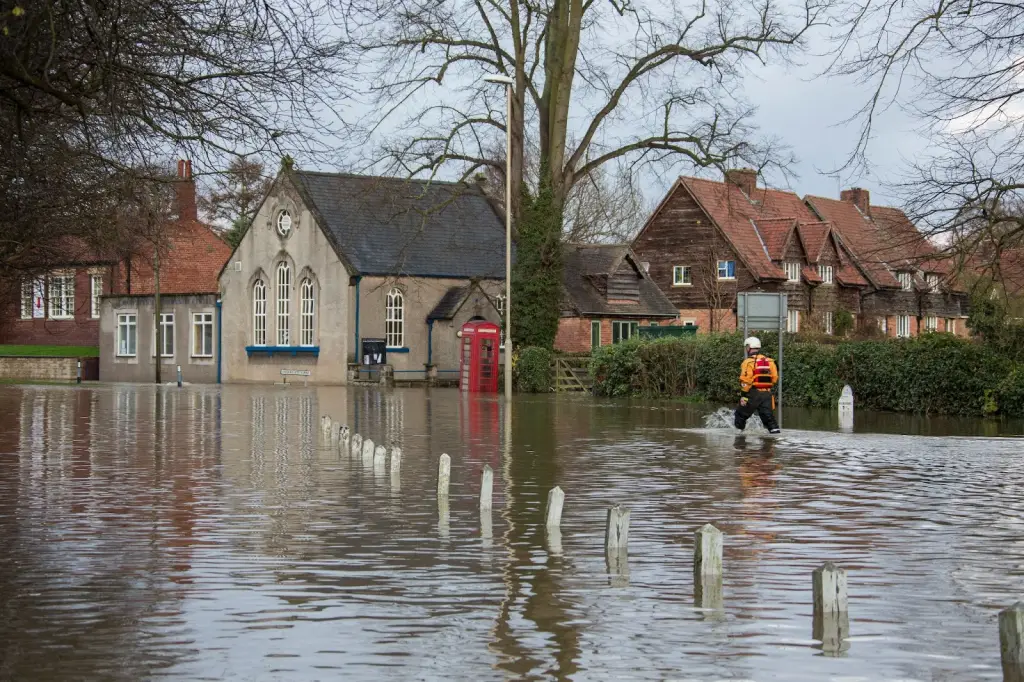
How to Protect Your Home From Flood Damage Before Storm Season
How to Protect Your Home From Flood Damage Before Storm Season Flooding isn’t just a seasonal threat but a growing reality for more homeowners annually. Storm patterns are shifting, urban sprawl is changing natural drainage, and climate conditions are amplifying risks. Many property owners don’t realize how easily flood damage can happen until water is inside. Once it starts seeping in, it doesn’t take long before thousands of damages add up. Why Protecting Your Home From Flood Damage Matters Flood protection isn’t just about avoiding water but preserving your home’s value, stability, and safety. Flooding can destroy flooring, walls, electrical systems, and personal belongings in hours. Worse, mold and structural issues often follow long after the water recedes, leading to costly repairs and health risks. Even properties outside known flood zones are seeing increased flood events due to changing weather and poor drainage systems. Taking preventative action now helps avoid significant financial losses, insurance headaches, and emotional stress when storms hit. Smart Ways to Shield Your Home From Flood Damage Floods strike fast, often without giving you time to react. What feels like a routine storm can turn into inches of water rushing through your home. Your best defense is to take preventive steps before the season begins. The following are the most effective ways to reduce your risk and protect what matters. Know Your Flood Risk Before a Storm Hits Flood risk isn’t always apparent from looking outside. Even homes outside FEMA’s high-risk zones can face water damage. Risk varies based on local drainage, elevation, and development patterns. Getting a clear picture now will help you prepare the proper defenses. Use FEMA Maps and Local Risk Assessments FEMA flood maps offer a general sense of flood exposure. However, you should also check with your local planning office for updated risk zones, especially if your area has recently seen new construction or major storms. Local floodplain managers can often provide more specific data and historical flood records for your neighborhood. According to FEMA’s Flood Map Service Center, homeowners can access updated flood risk zones and elevation data before storm season. Pairing federal data with local insights gives you a complete understanding of your property’s vulnerability. This dual-source approach allows for smarter upgrades and planning before the storm season. Track How Water Moves on Your Property Your yard might appear dry on most days, but rainfall exposes where the real issues lie. Water often collects near the foundation, sunken lawns, or entry points like doors and basement windows. When drainage fails, these problem areas become entry paths. Monitoring during rainstorms helps identify where to regrade soil, install drains, or seal weak spots. That firsthand view of water flow is one of the most practical ways to get ahead of flooding. Strengthen Exterior Defenses Against Flood Damage The exterior of your home must block water before it reaches vulnerable areas inside. If your foundation, doors, and siding aren’t correctly sealed or elevated, water will find a way in. Reinforcing these barriers now gives your structure a fighting chance when rain levels rise. These small upgrades can dramatically reduce the risk of flood damage during heavy rain. Seal Entry Points to Prevent Water Intrusion Cracks in foundation walls, door frames, and windows act like open doors for stormwater. Sealing these gaps with durable caulking or waterproof compounds prevents moisture from working into drywall, wood framing, and insulation. Regular inspections each season help you catch deterioration early. By addressing small leaks before they expand, you avoid expensive repairs and preserve your home’s strength. Add Foundation Vents to Reduce Wall Pressure Flood vents create controlled openings in foundation walls that allow water to flow through instead of pressing against the structure. Without them, hydrostatic pressure builds and risks cracking or collapsing concrete walls. FEMA-approved vent systems can engage automatically when water levels rise. Many building codes in flood-prone zones now recommend or require them to prevent long-term damage. Elevate Outdoor HVAC and Power Systems Appliances like HVAC compressors, water heaters, and breaker panels suffer quickly when submerged. Mounting these systems on concrete blocks or elevated frames keeps them safe during flash floods. Raising these critical systems makes getting your utilities running again after a storm easier. Electrical upgrades may also qualify for reduced insurance premiums or safety certifications. Upgrade Drainage to Direct Water Away Fast When water lingers near your home, it weakens walls and undermines structural footing. Sound drainage systems send water away from your house fast, reducing the risk of flooding and long-term erosion. Clean Gutters and Extend Downspouts Gutters filled with debris can’t channel water correctly, so overflow falls directly near your foundation. Cleaning them regularly and adding downspout extenders pushes rainwater into your yard. This simple task protects siding, prevents mold, and reduces pooling around the home. It’s one of the easiest and most effective steps in flood prevention. Install a French Drain to Control Yard Runoff French drains use gravel-filled trenches and perforated piping to collect water and reroute it downhill or into a dry well. They’re ideal for properties where water settles near the structure or patio. Installing one helps keep water away from the foundation and reduces basement leaks. It’s a discreet yet powerful upgrade for homes in heavy rainfall zones. Regrade Soil to Slope Away From Foundations Improper grading sends water toward your home instead of away from it. Regrading involves reshaping the terrain so that soil slopes slightly downward from the foundation. It redirects water into drains or natural runoff paths. A slight slope, just a few inches over several feet, can make a significant difference during storms. Waterproof the Basement to Avoid Hidden Flood Damage Basements flood easily due to their position below ground level. Once water enters, it can linger for days, promoting mold growth, damaging wiring, and compromising the home’s base. Use Waterproof Coatings for Interior Basement Walls Waterproofing paint and hydraulic sealants form a layer between masonry and moisture. These coatings bond tightly to concrete and block groundwater seepage during storms.