
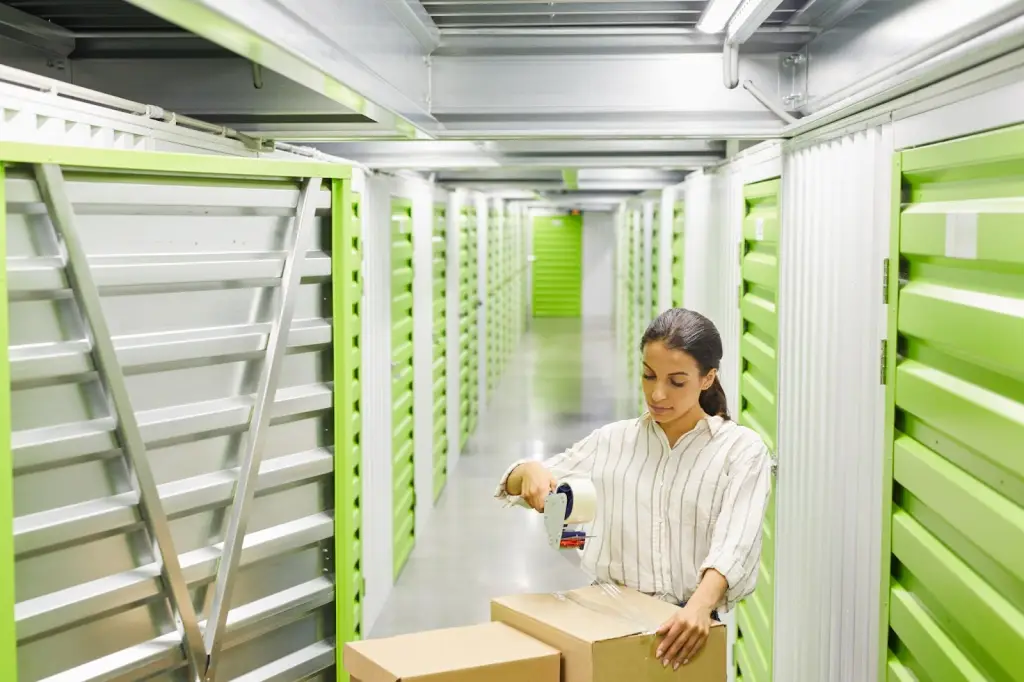
What Items Require Storage With Temperature Control?
What Items Require Storage With Temperature Control? Some belongings can’t handle extreme heat, cold, or humidity. They’re too valuable, fragile, or sensitive to leave in a regular storage unit. It becomes even more urgent if you’re storing items long-term or live in a climate with seasonal shifts. Controlled storage offers a reliable solution that keeps your items in top condition without risk of deterioration. Storage With Temperature Control Explained Temperature-controlled storage is more than just a convenience; it’s a safeguard. It protects sensitive items from extreme heat, cold, and moisture damage. Standard storage units fluctuate with the weather, which can lead to long-term damage. Storage with temperature control maintains steady conditions throughout the year. What Makes Climate-Controlled Storage Different Storage with temperature control protects your items from weather-related damage. These units stay between 55°F and 80°F year-round, regardless of outdoor temperatures. Most facilities also include ventilation or humidity control systems, which prevent mold and condensation. Compared to traditional storage, these units provide a much more stable environment. That matters if you store electronics, paper, wood, fabrics, or artwork. Even padded or covered items can break down over time without that control. Why Property Owners Prefer Temperature Control If you’re a homeowner, landlord, or business owner, your items reflect personal or financial value. Furniture, documents, and devices often represent long-term investments. Temperature-controlled units help avoid problems like cracking, warping, or mold in non-insulated spaces. These risks are higher in areas with humidity, freezing winters, or scorching summers. This kind of storage reduces replacement costs for property owners with seasonal tenants or fluctuating inventory. It also keeps your assets ready to use at any time. What Belongings Need Climate-Controlled Storage Not everything stores well in a standard unit. Certain items react badly to heat, cold, and moisture, even over short periods. Without proper care, they lose value, function, or integrity. Below are the most common types of items that demand a temperature-controlled space. Electronics and Appliances Electronics aren’t built to survive in unstable environments. Devices and appliances can suffer internal damage when exposed to high humidity or fluctuating temperatures. Even a short period of improper storage can ruin performance. That’s why these items need climate-regulated spaces. Electronics Electronics, such as televisions, computers, game consoles, and audio systems, are susceptible to the effects of climate change. Heat causes internal parts to expand, and cold can crack soldering points. Humidity presents another problem, as moisture buildup can cause corrosion and short circuits. Condensation forms when temperatures swing, especially inside sealed components. Once damage occurs, these items cease to function and lose all resale value. That’s why climate control isn’t optional when storing electronics. Appliances Large and small appliances, including refrigerators, ovens, washers, dryers, and microwaves, also need climate protection during storage. These machines have rubber seals, metal parts, and sensitive wiring that deteriorate in extreme heat or cold. Cold air can cause plastic components to become brittle, while heat can lead to internal overheating or insulation failure. Even if they aren’t plugged in, environmental exposure weakens their performance. Keeping appliances in a temperature-controlled unit extends their life. Furniture Types That Can Warp or Crack Wood, fabric, or leather furniture can degrade quickly in the wrong conditions. Heat, moisture, and dry air all impact the materials used in household furnishings. Without the proper protection, even short-term storage causes visible damage. Climate-controlled storage keeps furniture usable and looking sharp. Wood Furniture Natural wood reacts to moisture and temperature changes. When the air is damp, wood absorbs it and swells. When the air is dry, it shrinks. This cycle leads to cracking, splitting, and loose joints. Veneers may peel, and finishes lose their shine or color. Storing wood in a climate-controlled unit avoids these outcomes entirely. Upholstered and Leather Furniture Soft furniture is even more prone to damage in storage. Mold, mildew, and fabric discoloration can start in just a few weeks in a humid unit. Leather dries out and cracks in dry air, or softens and stretches in warm air. Foam cushions flatten or break down in unstable environments. If pests find their way in, they’ll target natural fabrics. Climate control adds a layer of defense against all these risks. Antique and Sentimental Pieces Older furniture or pieces passed down through generations often include delicate craftsmanship. Glues, fabrics, and finishes used decades ago weren’t designed to handle modern environmental stress. Without stable storage, they degrade quickly. Once that damage occurs, restoration is costly or impossible. Climate control isn’t optional for property owners storing heirlooms or collectors’ pieces. It’s the only safe option. Documents, Books, and Photos Paper-based items degrade quickly when exposed to humidity, heat, or cold. From books to records, their value and readability can fade over time. Storage with temperature control prevents mold, brittleness, and ink loss and extends the life of personal or business documents. Books and Important Documents Paper doesn’t do well in heat or humidity. It becomes brittle, curls at the edges, or fades. Ink smudges or lightens when stored in damp spaces. Mold also forms on paper surfaces if the airflow is poor. Over time, even stored books can stick together or lose value. Temperature-controlled storage keeps your files, books, and blueprints intact and legible. Photographs Photos are made with chemical layers and specialty paper. These layers break down quickly under stress. Heat distorts colors, and moisture separates photo paper. Albums buckle and stick together in non-controlled storage. Temperature-controlled conditions are necessary if you’re storing family photos or printed media. Once a photo is damaged, there’s no bringing it back. Business Inventory and Office Gear For business property owners, storage isn’t just about space but about preservation. Inventory, office equipment, and documents are sensitive to changes in climate. Without proper conditions, stock becomes unsellable and equipment fails. Controlled storage keeps operations protected and ready. Retail Products Sensitive to Heat and Moisture Products like cosmetics, candles, supplements, or anything with a shelf life react badly to extreme storage conditions. Seals break down, packaging warps, and formulas can spoil. Labels fade,