
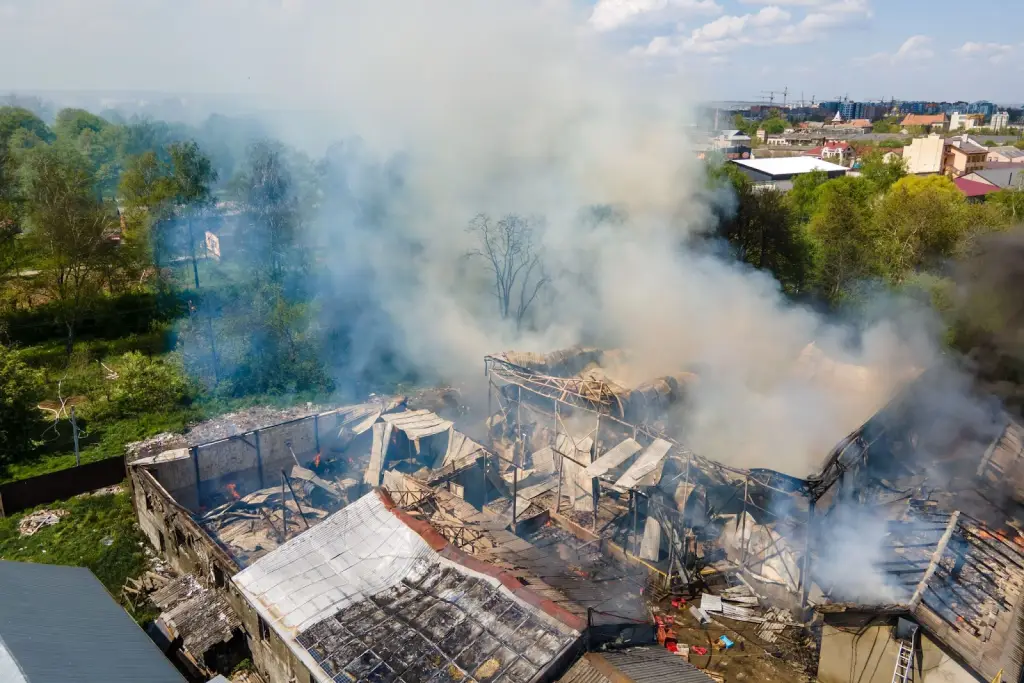
The Hidden Health Risks of Untreated Smoke Damage
The Hidden Health Risks of Untreated Smoke Damage Fire might stop burning in a day, but its damage doesn’t. Property owners often focus on visible destruction, ignoring what’s left behind in the air and walls. Lingering smoke damage slowly seeps into every surface, posing ongoing health risks long after the flames are gone. Most homes affected by fire still carry toxic particles weeks or months later. This ongoing threat is easy to overlook, but it doesn’t fade. Why Ignoring Smoke Damage Harms Your Health Smoke may disappear fast, but what it leaves behind doesn’t. Every untreated surface, scent, and stain holds more than a memory; it carries real health threats. These dangers don’t always show up immediately, but they build with each day of exposure. Your property and body can’t afford to wait for the following reasons. Residue After Fires Goes Deeper Than You Think Smoke damage reaches deeper than the eye can follow. Even after cleaning visible surfaces, harmful particles stay in the air, settle into fabrics, and cling to walls. These particles carry toxic chemicals that affect air quality and long-term health. The space may appear clean, but it’s unsafe until properly restored. Airborne Particles Continue to Circulate Indoors After a fire, the air is loaded with microscopic contaminants. These include carbon monoxide, fine soot, and volatile organic compounds. Many are too small to see but large enough to harm your lungs. Without proper filtration, these particles keep moving through your HVAC system. Every time the heat or AC turns on, the cycle repeats. Clean air won’t return until these particles are removed at the source. Soot Causes Lasting Surface and Air Contamination Soot isn’t just dust; it’s corrosive and chemically reactive. It settles on surfaces and breaks them down over time. When touched or disturbed, it also irritates the skin and lungs. Even small amounts can trigger asthma, coughing, or itchy eyes. The cleanup becomes more complex and expensive as it embeds deeper into materials. Delaying removal leads to worsening indoor conditions. Smoke Odors Contain Toxic Chemical Residues The smell left after a fire isn’t just unpleasant; it’s dangerous. That odor signals the presence of lingering toxins in the form of volatile molecules. These chemicals can off-gas into your breathing space for weeks or even months. Air fresheners can’t mask or remove them. Only specialized odor neutralization eliminates the risk. Until then, every breath carries those harmful compounds deeper into your lungs. Fires Leave Behind Long-Term Breathing Risks Untreated smoke damage leads to chronic breathing issues. The fine particles and chemical byproducts left behind remain suspended in indoor air. They aggravate preexisting conditions like asthma and bronchitis and may create new respiratory problems. Vulnerable people, such as children, seniors, and those with immune issues, are affected first. Fine Smoke Particles Penetrate Deep Into Lungs Smoke particles smaller than 2.5 microns easily bypass your nose and throat. They move directly into your lungs and settle there. These particulates cause inflammation and limit your ability to breathe comfortably. Prolonged exposure increases the risk of asthma, bronchitis, and respiratory infections. Children and older adults absorb these toxins more quickly. Long-term health outcomes worsen when cleanup is delayed. Daily Exposure Creates Long-Term Breathing Issues Continual exposure to smoke-damaged air changes how your body responds to allergens. It lowers oxygen intake and creates a constant state of irritation. Some people may develop chronic coughs or experience wheezing without knowing the cause. People with heart or lung issues face even higher risks. That isn’t limited to large fires; even light smoke damage in small areas can harm. Professional remediation makes a measurable difference in indoor air quality. Kids, Seniors, and Immunocompromised at Higher Risk Children’s developing lungs make them especially vulnerable to smoke exposure. Seniors, especially those with preexisting conditions, also face serious complications. Lingering particles stress the immune system and delay healing from common illnesses. These groups breathe in more of the air inside a property, spending more time indoors. That means prolonged exposure hits them hardest. Fast and thorough smoke damage cleanup is critical for their safety. Lingering Toxins Weaken the Body Over Time Prolonged exposure to smoke residue stresses the immune system. Toxins that remain in walls, air, and materials slowly trigger chronic inflammation. It can affect digestion, mental clarity, sleep, and more. People may feel “off” for weeks without realizing it’s connected to indoor air quality. Smoke Residue Triggers Ongoing Inflammation The chemicals in smoke stimulate an immune response when inhaled. That immune reaction doesn’t always shut off right away. In fact, low-level inflammation may become the new normal. Over time, this wears down your defenses and reduces your body’s ability to respond to other illnesses. People often notice sluggishness, frequent colds, or fatigue. It usually goes unlinked to smoke damage unless tested professionally. Chemical Toxins Disrupt Body Systems Over Time Smoke residue often contains benzene, toluene, and dioxins. When absorbed, these disrupt hormones and interfere with organ function. While symptoms may start mild, they worsen with repeated exposure. Mood swings, nausea, or foggy thinking may occur regularly. These aren’t random; they’re often tied to environmental factors. Professional fire and smoke damage cleaning eliminates the root cause and helps restore health balance. Emotional and Mental Health Also Take a Hit Lingering smoke odors are more than annoying; they affect how people feel. Scents are closely tied to memory and emotion. For fire survivors, these odors act as constant reminders. They also indicate that the home is still not fully clean or livable. The Smell of Smoke Reinforces Stress and Anxiety Even a faint smoky smell reminds people of the trauma. It keeps the event alive in their memory and blocks emotional recovery. No matter how much you clean the house yourself, the odor may still return. That creates frustration and helplessness. Many people avoid parts of their homes or feel uneasy indoors. Complete odor neutralization helps the space feel safe again. Contaminated Air Quality Affects Mental Clarity Poor air quality doesn’t just hurt your lungs; it clouds your