
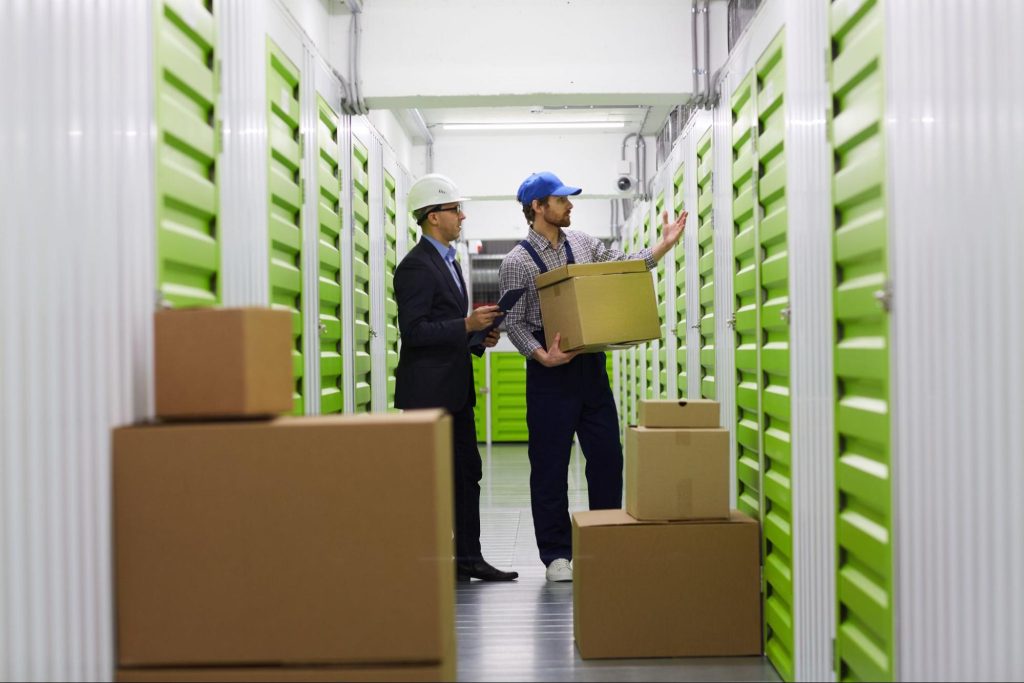
What Belongs in Temperature Controlled Storage (and What Doesn’t)
What Belongs in Temperature Controlled Storage (and What Doesn’t) When it comes to protecting your valuables from extreme temperatures and humidity, temperature-controlled storage is an innovative solution. But not everything needs this level of care, and storing the wrong items in a climate-controlled unit can waste money or even pose risks. Whether you’re downsizing, moving, or just looking to declutter, this guide breaks down what items truly benefit from temperature-controlled storage—and which ones don’t. Why Temperature Controlled Storage is Essential for Sensitive Items Some items are especially vulnerable to shifts in temperature and moisture. Temperature-controlled storage keeps units at a stable temperature (usually between 55°F and 80°F) and regulates humidity to prevent damage. This stable environment helps preserve delicate, perishable, or valuable items that could warp, crack, mold, or deteriorate in traditional storage. How Temperature Controlled Units Work These units are typically housed indoors with HVAC systems and insulation that maintain consistent environmental conditions year-round. These units are crucial for areas with extreme heat, cold, or fluctuating seasonal weather. Key Benefits of Using Temperature Controlled Storage Whether you’re storing family heirlooms, business inventory, or seasonal belongings, temperature-controlled storage offers advantages that go far beyond standard units. By maintaining stable temperatures and humidity levels, these units protect sensitive items from environmental threats that can cause irreversible damage. Here are the top benefits you’ll gain from choosing climate-controlled storage: Protects Against Mold, Mildew, Rust, and Corrosion Moisture is the biggest threat to stored items, especially in humid environments. Climate-controlled storage units regulate humidity, preventing mold growth on fabrics and paper, mildew on furniture, and rust or corrosion on electronics and metal tools. Reduces the Risk of Warping, Fading, or Cracking Extreme heat or cold can cause wood to expand and contract, leather to dry out, and fabrics or artwork to fade. Temperature regulation keeps materials stable, helping to maintain their shape, color, and integrity over time. Helps Preserve Sentimental or High-Value Items Items like photo albums, artwork, vintage furniture, and collectibles often hold emotional or financial value. These items are irreplaceable, and storing them in a controlled environment ensures they remain in pristine condition. Increases Peace of Mind During Long-Term Storage When storing belongings for months or years, you want to know they’re safe from damage. Temperature-controlled storage gives you confidence that your valuables will remain protected no matter the season or climate outside. Items That Require Temperature Controlled Storage Some belongings must be stored in climate-controlled units to avoid permanent damage. For these items, temperature-controlled storage isn’t a luxury—it’s a necessity. Wooden and Leather Furniture Wood can expand, crack, or warp with temperature swings, while leather becomes brittle or develops mold in high humidity. Climate control prevents both scenarios. Electronics and Appliances Laptops, televisions, stereos, and kitchen appliances can suffer condensation, internal corrosion, or cracked screens in non-climate-controlled units. Important Documents and Photos Paper is susceptible to moisture and heat. Documents can yellow, stick together, or disintegrate over time. Photos can fade, curl, or stick to each other without climate control. Musical Instruments Instruments made of wood or brass (like guitars, violins, and trumpets) are highly vulnerable to humidity. Strings can loosen, wood can crack, and tuning can be affected. Artwork and Collectibles Paintings, sculptures, antiques, and comic books all benefit from temperature-controlled storage. Humidity can cause canvas to stretch, colors to run, or metals to tarnish. Wine Collections Wine is sensitive to temperature and humidity. Ideal storage is around 55°F with 60-70% humidity. A climate-controlled unit can mimic cellar conditions when home storage isn’t an option. Choosing Temperature Controlled Storage for Business and Commercial Goods Many small businesses and professionals use temperature-controlled storage for inventory, records, and tools. It offers a secure and stable space when office or warehouse storage is limited. Pharmaceutical Supplies Medications, vaccines, and medical supplies can lose potency or spoil when exposed to heat or humidity. Many regulations require climate-controlled storage for health and safety. Retail Inventory and E-Commerce Goods Clothing, beauty products, candles, and paper goods stored in bulk are all affected by the climate. Maintaining pristine condition ensures satisfied customers and protects your bottom line. Office Files and Equipment Old tax documents, legal files, and computers may not be used daily, but are critical to keep secure and well-preserved. Temperature control ensures they’re accessible and intact. Tools and Machinery Precision tools or mechanical parts used in contracting or manufacturing can rust or lose functionality if exposed to moisture and heat. What Not to Store in Temperature Controlled Storage Units Not every item belongs in temperature-controlled storage, and some may even violate storage facility rules. Understanding what doesn’t require climate control helps you save space and money. Vehicles and Motorized Equipment Cars, motorcycles, lawn mowers, and boats are generally stored in outdoor or covered storage. These items are built to handle temperature changes and often require ventilation or fuel restrictions. Construction Materials and Tools While precision tools may benefit from climate control, most hammers, drills, ladders, and materials like drywall or lumber can be stored in standard units. Outdoor Gear and Sports Equipment Bicycles, kayaks, skis, and camping gear are usually built to withstand outdoor conditions and don’t need climate-controlled environments. Non-Perishable Kitchenware Items like pots, pans, silverware, and dishes are not sensitive to temperature or moisture and can be stored in standard units without issue. Duplicate Furniture or Decor Sturdy, mass-produced furniture—like plastic chairs, metal frames, or particleboard pieces—doesn’t require the added protection of temperature-controlled storage. When to Prioritize Temperature Controlled Storage Based on Duration How long you plan to store something affects whether temperature-controlled storage is necessary. Short-term storage may not require the same protections as long-term stashing. Short-Term Storage For brief moves or quick transitions, many items can withstand a few weeks in a standard unit, especially if it’s a mild season. However, valuables or sensitive items still benefit from temperature control. Medium-Term Storage As time increases, so does the risk of environmental damage. For seasonal storage, such as holiday decorations or off-season wardrobes, climate control is often worth the investment.