
How Water Damage Restoration Companies Work With Insurance Claims
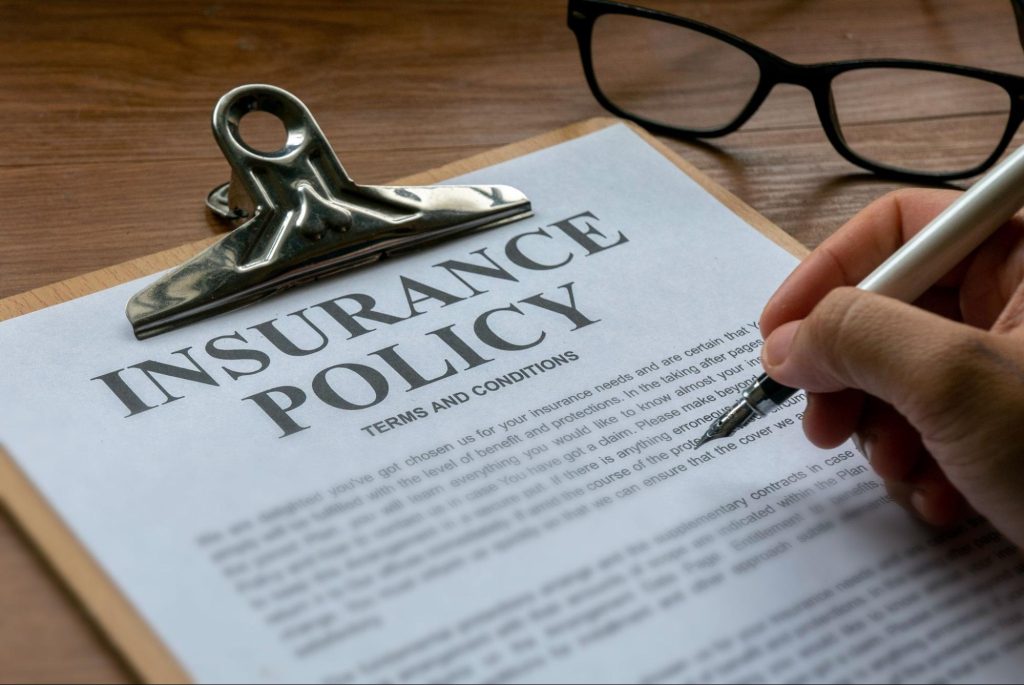
How Water Damage Restoration Companies Work With Insurance Claims When water wreaks havoc on a home or business, swift action is crucial. But beyond cleanup and repairs, there’s another pressing issue: navigating the complexities of an insurance claim. In such situations, water damage restoration companies play a vital role. Not only do they mitigate damage and restore properties, but they often serve as crucial guides through the insurance process. Understanding how these companies collaborate with insurers can save homeowners time, money, and frustration during an already stressful situation. Why Water Damage Restoration Companies Are Critical During Insurance Claims The aftermath of a flood, pipe burst, or sewage backup is often overwhelming. Water damage restoration companies respond quickly to prevent the damage from spreading, extract standing water, and initiate drying and dehumidification processes. These actions are not just for property preservation—they also ensure accurate documentation for insurance claims. Restoration professionals understand what insurers need: photographic evidence, moisture readings, damage reports, and itemized estimates. Water Damage Restoration Companies Help With Documentation One of the most valuable contributions that water damage restoration companies make is thorough documentation. Upon arrival, restoration teams begin photographing the damage, measuring moisture levels in walls and floors, and compiling a detailed record of affected areas. This data helps validate the claim, reducing disputes with insurance adjusters. Their expertise in industry-standard software and tools (like Xactimate for estimates) also ensures consistency with what insurance companies expect. Capturing the Scene Restoration teams take wide-angle photos of each affected room as well as close-ups of specific damage. These are timestamped and often geotagged to support the authenticity of claims. Recording Moisture and Mold Risk Technicians log humidity levels, temperature, and moisture content using hygrometers and thermal cameras. This logging not only helps with the restoration plan but shows the insurer that the property requires immediate mitigation. Creating a Digital Paper Trail All findings are compiled into a centralized system that stores images, data, and notes. This system ensures that both the homeowner and insurer can access the whole timeline and scope of damage. Using Standardized Estimating Tools Programs like Xactimate help restoration teams deliver cost estimates that align with insurer expectations. These tools eliminate discrepancies and improve approval times. Labeling Damaged Materials and Surfaces Each affected item—whether drywall, flooring, or insulation—is tagged and cataloged for future reference. This cataloging helps verify replacement costs and prevents disagreements about what was lost. Navigating Insurance Paperwork With Water Damage Restoration Companies Insurance policies are filled with technical terms, coverage limits, and procedures that can easily confuse homeowners. Water damage restoration companies often have in-house claim specialists or third-party coordinators who help clients understand their coverage. While they don’t file claims on behalf of the homeowner (unless authorized), they help gather and organize all the information the insurer needs. Coordinating With Adjusters Restoration professionals often meet directly with the insurance adjuster onsite. This collaboration ensures that the scope of damage is accurately conveyed. If the adjuster has questions about the feasibility of repairs or costs, the contractor can provide real-time answers. Creating an Itemized Scope of Work A detailed breakdown of necessary repairs, replacement materials, and labor costs is submitted to the insurer for approval. These estimates align with industry standards and are usually formatted using software recognized by major insurance providers. Organizing Claim-Related Paperwork Restoration teams assist homeowners in gathering essential documents such as policy information, damage reports, and communications with the insurer. This organized packet supports smoother processing. Clarifying Policy Language for Homeowners While they don’t offer legal advice, restoration specialists can explain general insurance terms and outline what documentation the insurer will likely request, helping the homeowner feel more confident. Supporting Claim Timelines Water damage companies help ensure that required paperwork, estimates, and damage reports are submitted in a timely fashion to avoid delays in processing the claim. When Water Damage Restoration Companies Act As Policy Advocates Many water damage restoration companies go beyond cleanup; they serve as unofficial advocates for homeowners. While they are not public adjusters or lawyers, their experience with similar claims enables them to offer insight into what is reasonable, what is reimbursable, and how to push back against lowball offers. Advising on Scope and Limitations They can point out if an insurer’s interpretation of the damage is incomplete or if exclusions are being misapplied. Their documented evidence often helps the homeowner counter denials or partial approvals. Providing Supplemental Estimates If hidden damage is found (like mold behind walls or structural weakening), restoration companies can file supplements to the original estimate, justifying the need for more extensive repairs. How Water Damage Restoration Companies Streamline the Claims Process In chaotic situations, time is of the essence. Water damage restoration companies streamline the claims process by communicating directly with insurers and adjusting their workflow to align with claim requirements. This communication reduces delays, helps claims get approved faster, and ensures timely payouts. Real-Time Updates Some restoration providers utilize cloud-based platforms that enable both homeowners and insurers to track project status, upload photos, and submit documents. This transparency fosters trust and accelerates decision-making. Billing Insurance Directly If allowed under the policy, restoration companies may bill the insurer directly for approved work, eliminating the need for homeowners to pay out-of-pocket and wait for reimbursement. Direct billing also ensures that insurers only pay for services that have been validated and authorized. Streamlining Communication Channels Restoration companies establish consistent communication with adjusters, agents, and homeowners, ensuring everyone is on the same page. This communication helps minimize misunderstandings and expedite decisions. Aligning Workflows With Policy Requirements Experienced companies structure their mitigation and repair processes to mirror the steps outlined in their insurance policies. This structure involves using the correct terminology and billing codes to meet the requirements of claim departments. Reducing Duplicate Work and Claims Rejections By coordinating restoration steps with claim approval milestones, these companies avoid unauthorized work or scope creep that can lead to denied payments. Their alignment with insurer expectations reduces unnecessary back-and-forth. Legal Boundaries Water Damage Restoration Companies Follow While