
Healthcare Facility Restoration Services
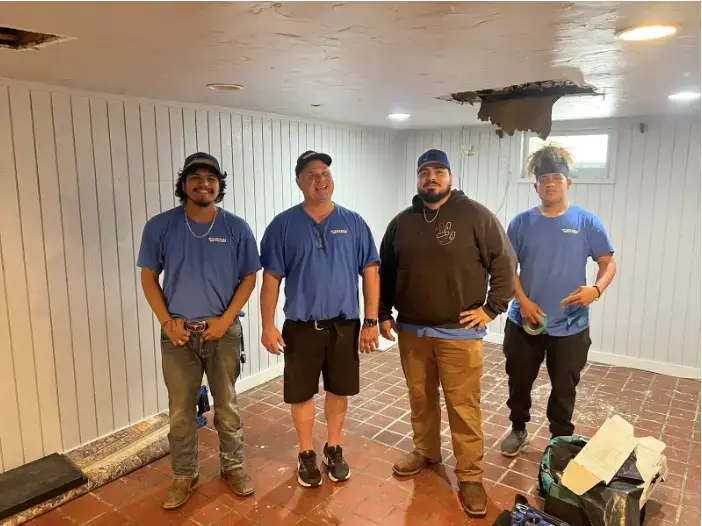
When a healthcare facility in Oklahoma suffers water damage, fire damage, mold contamination, or storm-related destruction, specialized restoration services are needed that go far beyond standard commercial cleanup.
Healthcare facility restoration involves the rapid, code-compliant recovery of hospitals, clinics, nursing homes, dental offices, and medical buildings while maintaining strict infection control protocols, protecting sensitive equipment, and minimizing disruption to patient care.
Express Restoration provides Oklahoma commercial properties with 24/7 emergency restoration services, certified technicians, and experience handling water, fire, flood, and storm damage.
Why Healthcare Facilities Need Specialized Restoration
A burst pipe in an office building is an inconvenience. The same burst pipe in an operating suite, dialysis center, or patient ward becomes a serious public health and regulatory issue. Healthcare facilities operate under a layered set of standards from the Joint Commission, CMS (Centers for Medicare & Medicaid Services), CDC infection control guidelines, OSHA regulations, and state-level oversight from the Oklahoma State Department of Health.
Restoration work in these environments has to account for immunocompromised patients, sterile zones, biohazard exposure, sensitive imaging equipment, oxygen lines, pharmaceutical storage, and electronic health record systems. General contractors and standard restoration crews often lack the training, documentation practices, and equipment to handle these requirements without creating new compliance gaps.
For healthcare administrators evaluating a restoration partner, Express Restoration offers commercial restoration experience backed by more than 28 years in the industry, IICRC-licensed professionals, and 24/7 emergency response. If your facility has experienced damage and you’re weighing your options, the team at Express Restoration is available around the clock to assess your situation and walk you through next steps.
Common Types of Damage in Oklahoma Healthcare Facilities
Oklahoma’s climate and geography create a distinct set of risks for medical buildings.
1. Storm and tornado damage
Oklahoma sits squarely in Tornado Alley, and severe weather events regularly damage roofs, windows, HVAC systems, and exterior walls of healthcare facilities across Oklahoma City, Tulsa, Norman, Lawton, and surrounding communities. Wind-driven rain often follows, soaking insulation, drywall, and ceiling tiles in patient care areas.
Express Restoration provides commercial storm damage restoration and can deploy its own equipment and vehicles for rapid response across Central Oklahoma. For large-scale commercial water losses involving facilities such as schools and hospitals, the company states that it can deploy statewide.
2. Water damage and flooding
Failed plumbing, sprinkler discharges, sewer backups, and flash flooding all introduce contaminated water into healthcare environments. Category 2 and Category 3 water (gray and black water) requires specific containment, disposal, and antimicrobial treatment protocols.
Express Restoration’s water damage services include water extraction, drying and dehumidification, and Category 3 water cleanup for situations ranging from leaks to sewage backups.
3. Fire and smoke damage
Even small electrical or kitchen fires can produce smoke residue that travels through HVAC systems, contaminating sterile supplies, fabric surfaces, and medical equipment far from the fire’s origin.
4. Mold contamination
Oklahoma’s humidity, combined with HVAC systems running year-round, creates conditions where mold can establish itself behind walls, above ceiling tiles, and inside ductwork. In healthcare settings, even small amounts of Aspergillus or Stachybotrys pose serious risks to vulnerable patients.
5. Biohazard incidents
Bloodborne pathogen spills, trauma cleanup, sewage exposure, and infectious disease decontamination all require certified biohazard remediation under OSHA’s Bloodborne Pathogens Standard.
What Healthcare Facility Restoration Actually Involves
A proper restoration response in a medical environment follows a structured sequence rather than a rip-and-replace approach.
1. Emergency response and assessment
The first hours after an incident are the most important. A qualified restoration team arrives on-site, identifies the source of damage, isolates affected zones, and begins documentation for insurance and regulatory reporting. In Oklahoma healthcare settings, this often means coordinating with the facility’s infection prevention officer and safety committee before any work begins.
2. Containment and infection control
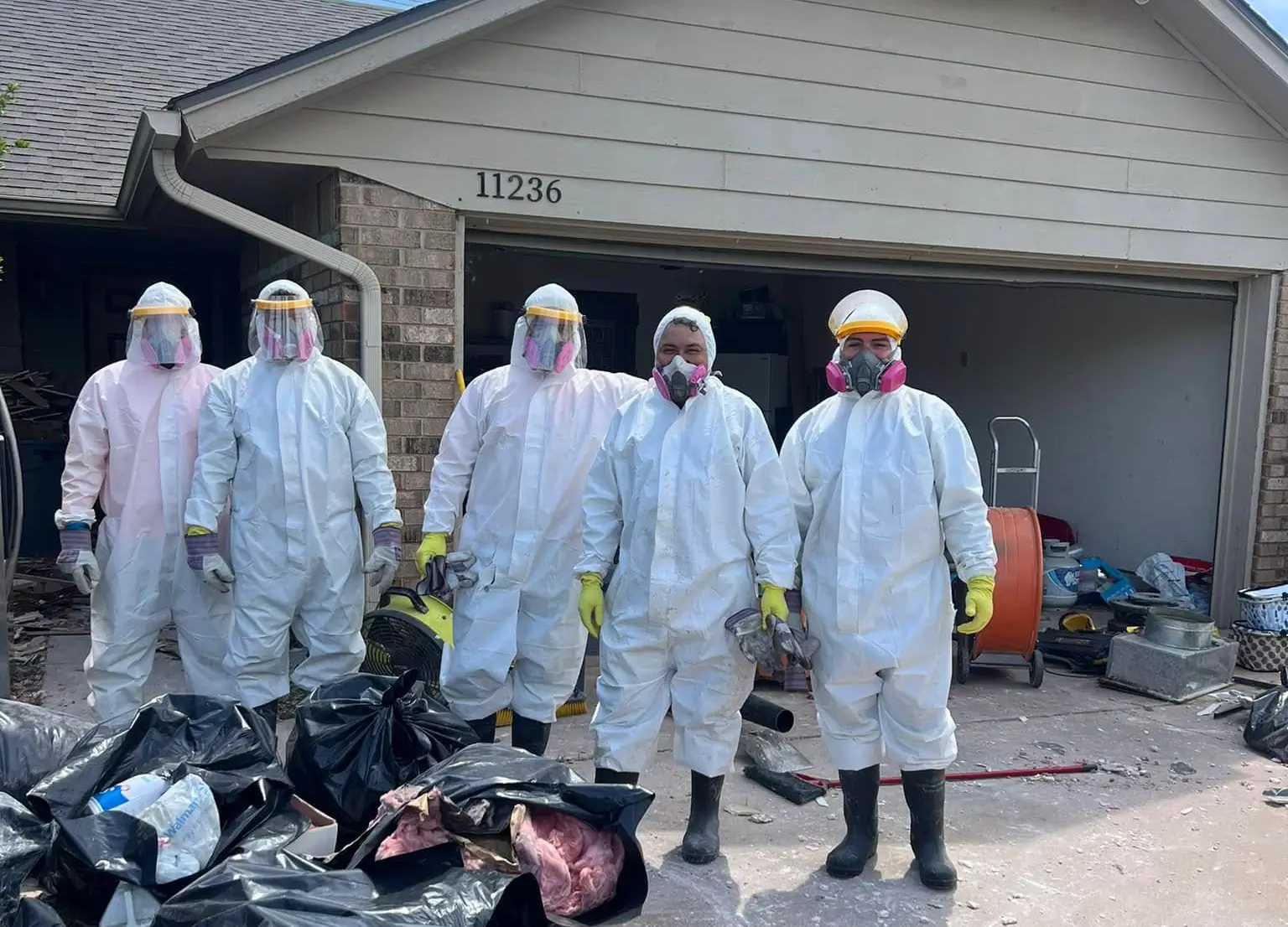
ICRA (Infection Control Risk Assessment) procedures determine how affected areas are isolated from active patient care zones. This typically involves negative air machines with HEPA filtration, sealed plastic barriers, dedicated entry/exit paths for workers, and continuous monitoring of pressure differentials.
3. Water extraction and structural drying
Industrial-grade extractors, dehumidifiers, and air movers reduce moisture in building materials to documented dry standards. Moisture mapping records track progress and create the paper trail needed for insurance claims and Joint Commission documentation.
4. Cleaning, sanitizing, and antimicrobial treatment
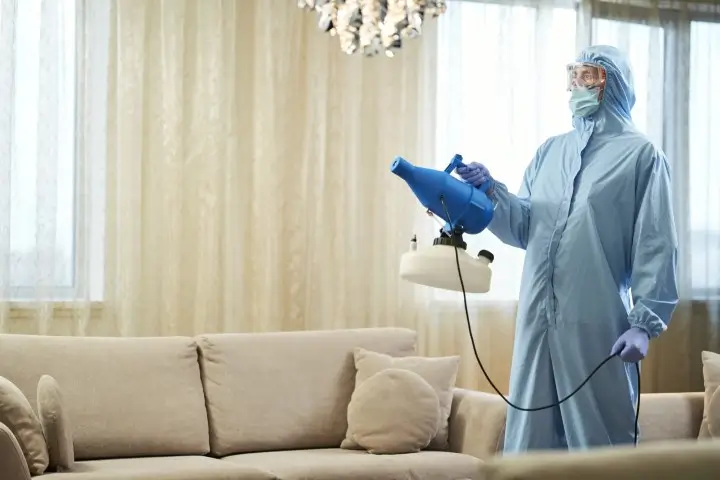
Surfaces, equipment, and structural materials are cleaned using EPA-registered disinfectants appropriate for healthcare environments. Porous materials that cannot be properly disinfected are removed and replaced.
5. Reconstruction
Damaged drywall, flooring, ceiling systems, casework, and finishes are rebuilt to match the original specifications, with attention to fire ratings, acoustic requirements, and surface materials appropriate for medical use.
6. Verification and clearance
Post-remediation verification includes air quality testing, surface sampling where appropriate, and formal documentation that affected areas meet pre-incident standards before being returned to clinical use.
What Sets a Qualified Healthcare Restoration Partner Apart
Not every restoration company can responsibly work inside a hospital or clinic. When evaluating providers, Oklahoma facility managers should look for:
- IICRC-licensed professionals
- More than 28 years of restoration experience
- 24/7 emergency response
- Advanced monitoring equipment for assessing visible and hidden damage
- Water extraction, drying, dehumidification and Category 3 water cleanup
- Commercial restoration for water, fire, flood and storm damage
- Direct collaboration with insurance providers
Express Restoration has 5-star ratings from more than 120 people. If you’d like to see how a partner with healthcare-specific protocols handles these requirements, you can request a no-obligation walkthrough from Express Restoration at any time.
Insurance, Documentation, and Regulatory Reporting
Healthcare claims involve more documentation than standard commercial property claims. Restoration providers familiar with this work will produce moisture readings, photo logs, equipment usage records, scope-of-work narratives, and ICRA compliance documentation that supports both the insurance claim and any required reporting to regulatory bodies. This level of recordkeeping protects the facility during accreditation surveys and reduces the risk of claim disputes later.
Acting Quickly Matters
Every hour that water sits, smoke settles, or mold spreads increases the cost of the eventual repair and the disruption to patient care. Oklahoma facilities that have an established relationship with a qualified restoration provider, including a pre-loss agreement, recover faster and at lower cost than those scrambling to find help mid-crisis.
If your Oklahoma healthcare facility is dealing with damage right now, or you want a pre-loss plan in place before the next storm, call Express Restoration’s 24/7 emergency line for immediate on-site response anywhere in Oklahoma.
Frequently Asked Questions
1. How quickly can a restoration team respond to a healthcare emergency in Oklahoma?
A qualified provider with statewide coverage should be on-site within one hour of dispatch in metro areas like Oklahoma City, Tulsa, and Norman, with response times extending modestly for rural facilities.
2. Does restoration work require the facility to close?
Not usually. With proper ICRA containment, most projects can proceed while adjacent areas of the facility remain operational. The restoration team coordinates with facility leadership to schedule disruptive phases during low-census periods.
3. Is healthcare restoration covered by commercial property insurance?
In most cases, yes. Standard commercial policies cover sudden and accidental damage from water, fire, and storms. Flood damage typically requires a separate flood policy. A restoration provider experienced with healthcare claims will work directly with your carrier.
4. What certifications should a healthcare restoration company hold?
Look for IICRC certifications in Water Damage Restoration, Applied Structural Drying, Fire and Smoke Restoration, Applied Microbial Remediation, and Trauma and Crime Scene Cleanup, plus documented ICRA training.
5.How is mold handled differently in a hospital versus a regular office?
Hospital mold remediation requires stricter containment, HEPA filtration with negative air pressure, controlled worker access, antimicrobial treatments approved for healthcare use, and post-remediation verification testing before the space returns to clinical use.
6.Can restoration crews work around active patient care areas?
Yes, with proper ICRA Class III or IV containment, dedicated worker pathways, after-hours scheduling for noisy phases, and continuous coordination with the facility’s infection prevention team.