
Damage Restoration Services For Schools
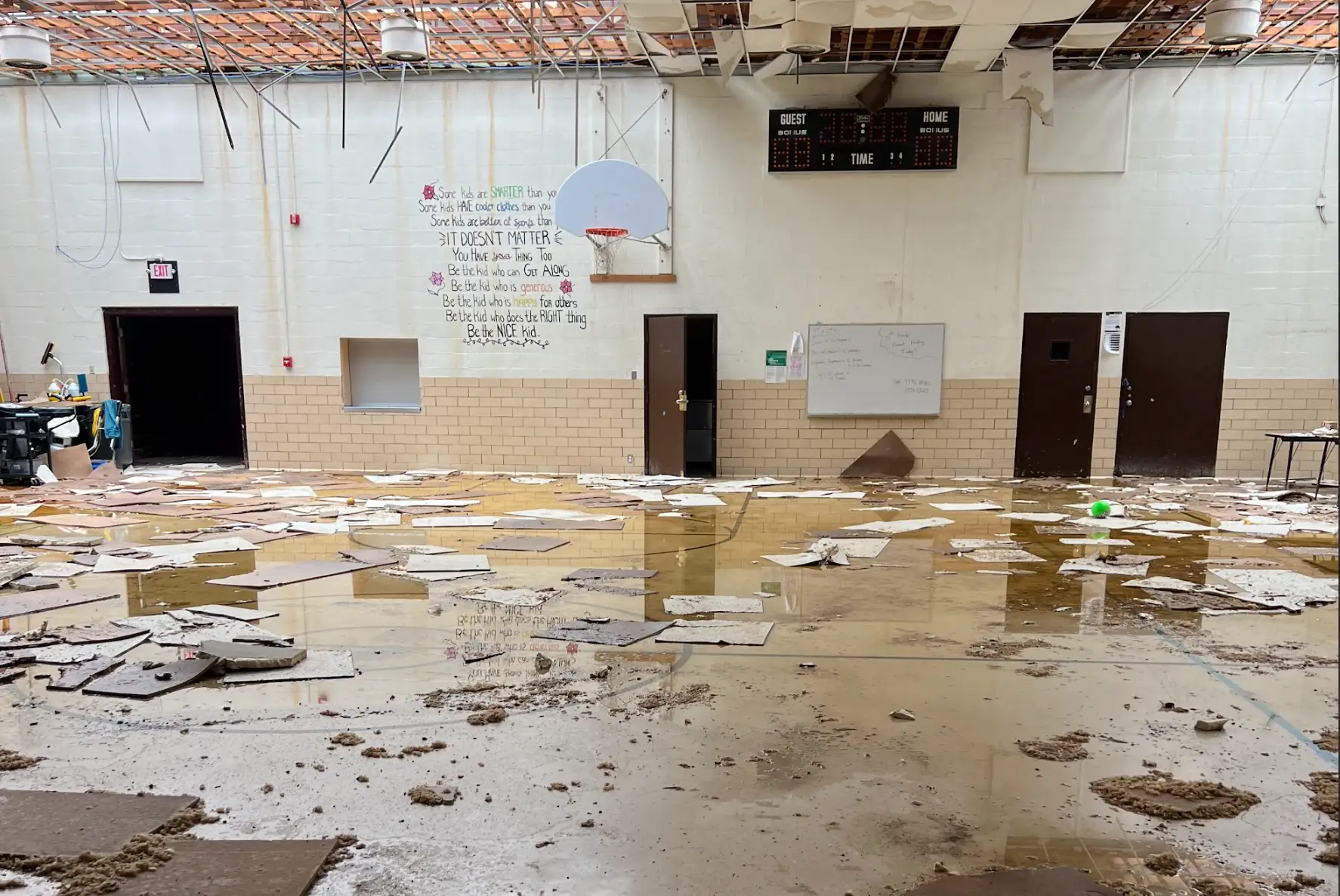
Damage restoration services for schools are specialized cleanup, drying, and rebuild programs that get classrooms, gyms, libraries, and cafeterias back to safe use after water, fire, smoke, storm, or biohazard incidents.
In Oklahoma, where tornadoes, hailstorms, and winter pipe bursts regularly hit K-12 districts and university campuses, these services exist to do three things at once: protect student safety, limit instructional downtime, and document the loss correctly so the district’s insurance carrier (often the Oklahoma School Insurance Group, OSIG) pays the claim cleanly.
A qualified restoration partner shows up within hours, not days, owns its own commercial drying fleet, and follows IICRC S500 and S520 standards so the building is genuinely safe to occupy again, not just dry on the surface.
If your district is sitting on standing water in a gym or smoke residue in a science lab right now, call Express Restoration in Edmond at (405) 922-8891 for a 24/7 school response deployment.
Why Oklahoma Schools Face Unique Restoration Risks
Oklahoma’s weather profile makes school facilities especially exposed. The April 2024 tornado outbreak in southern Oklahoma damaged Sulphur Public Schools so severely that classes were canceled for over a week, with the high school losing power, taking on water, and watching its entire bus fleet get destroyed. Plainview School and Ardmore campuses were hit in the same system.
Winter brings a different problem: when an Arctic front pushes temperatures into the single digits, sprinkler lines burst in unheated mechanical rooms, flooding computer labs, libraries, and gym floors in hours.
What makes school losses different from other commercial losses is the calendar. Every closed day costs the district instructional minutes it has to make up later, and every cubic foot of trapped moisture in a hardwood gym floor or shelf of textbooks increases the risk of further property damage, damaged materials, and extended classroom disruption.
The Core Services A School District Will Need
A full-service restoration partner covers the entire incident lifecycle. The categories below are the ones Oklahoma districts call out most often.
1. Water damage and structural drying
Burst pipes, roof leaks during hailstorms, sprinkler discharge, and HVAC condensate failures are the four most common water sources in Oklahoma schools. Restoration crews extract standing water, then deploy industrial desiccant dehumidifiers to drop facility humidity below 40 percent. Done correctly, this saves hardwood gymnasium courts, wet textbooks, and laminate flooring without demolition.
2. Fire and smoke damage
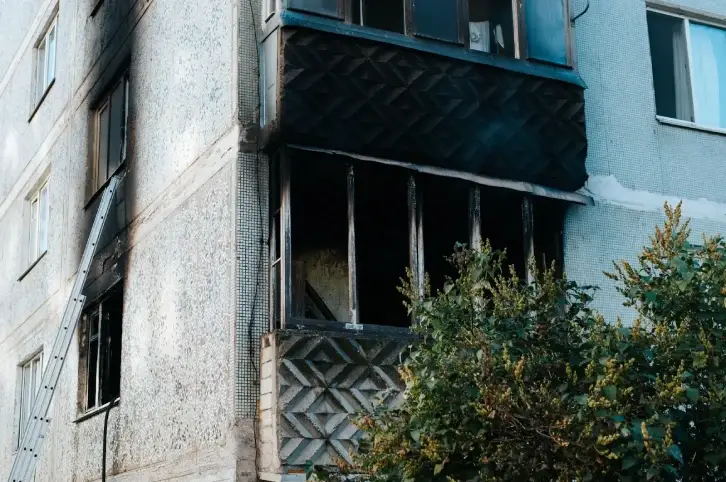
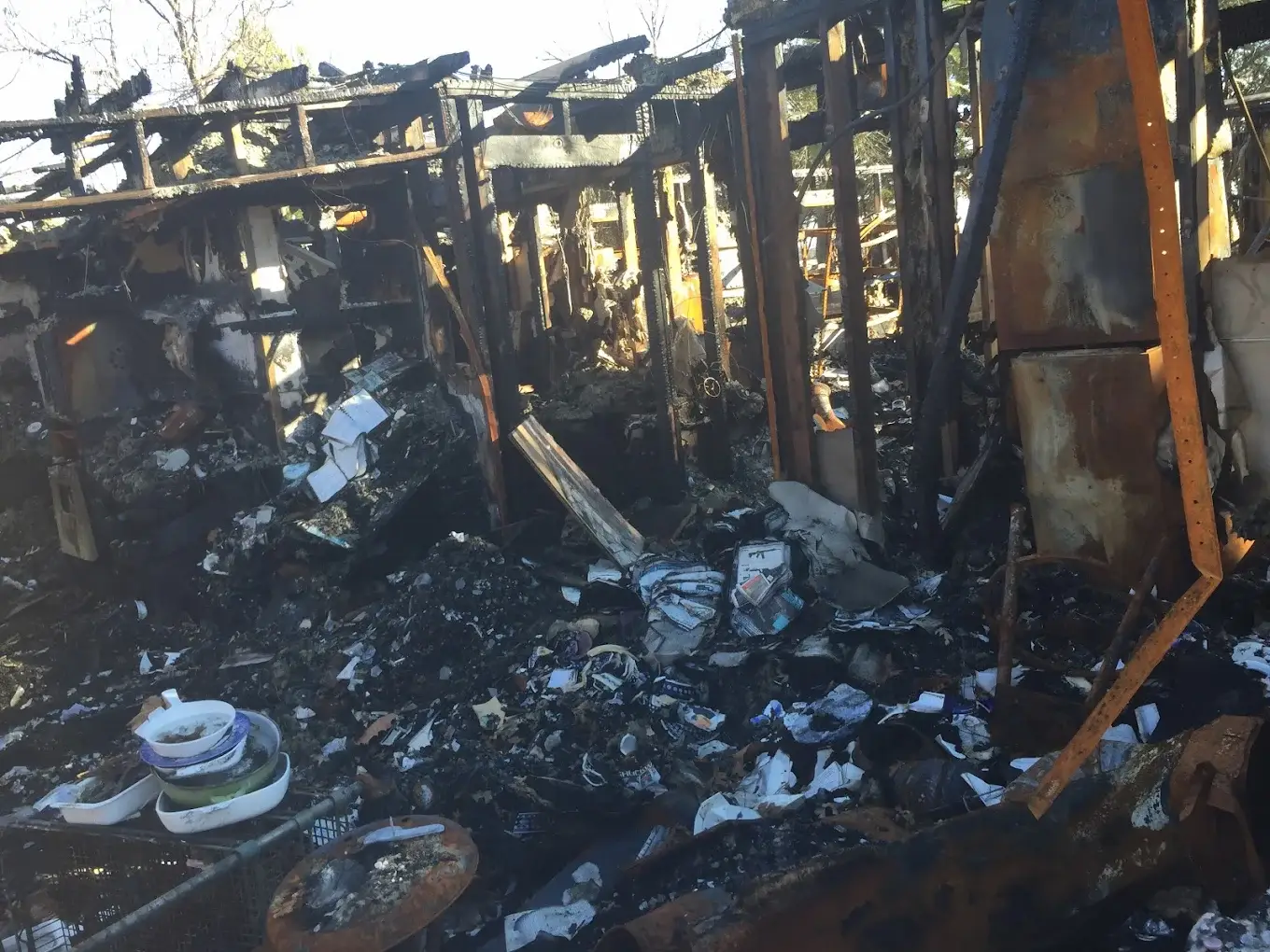
Lab fires, kitchen fires, and electrical fires leave behind soot residue that is acidic and continues to etch metal, painted surfaces, and electronics for weeks if not neutralized. Proper response includes soot removal, thermal fogging for deodorization, HVAC duct cleaning, and contents pack-out for off-site cleaning.
3. Storm and tornado damage
Emergency board-up, roof tarping, debris removal, and structural stabilization come first. Reconstruction (roofing, siding, drywall, insulation, ceiling tiles, finishes) follows once the building envelope is secure.
4. Biohazard and hazardous material cleanup
This covers sewage backups (Category 3 water), bodily fluids, communicable disease cleaning, and chemistry lab spills. Older Oklahoma school buildings may also require asbestos abatement before any demolition can start.
If your facilities director is mapping out what a credible restoration partner should bring to the table, the team at Express Restoration can walk you through a preparedness plan before the next storm hits.
What Separates A School-Ready Restoration Company From A General Contractor
Five factors matter when a superintendent or facilities director is vetting vendors.
- IICRC certification. The Institute of Inspection, Cleaning and Restoration Certification (IICRC) establishes technical standards for restoration work, including S500 for water damage and S700 for fire and smoke damage. A properly qualified vendor needs to identify residual moisture behind walls and other concealed areas to prevent further property damage and unnecessary reconstruction.
- OSIG familiarity. The Oklahoma School Insurance Group has specific documentation requirements, board approval workflows, and budget constraints that differ from standard commercial insurance. A vendor experienced with OSIG handles the paperwork directly so the district isn’t stuck mediating between adjusters and contractors.
- Owned equipment fleets. National franchises often sub-rent dehumidifiers and air movers during regional weather events, which creates 48 to 72 hour delays. Locally owned firms with their own fleets, like Express Restoration’s 400-plus desiccant inventory, can be on a rural Panhandle campus within an hour of the call.
- Student-safe protocols. Uniformed, background-checked crews, negative-pressure containment zones, and noise-dampened equipment let work continue while classes are in session in unaffected wings.
- Documented school references. Ask for project references at named Oklahoma districts. Reference work at places like Ada Public Schools, Ardmore Public Schools, or Mooreland Public Schools tells you the vendor has actually navigated school-specific workflows, not just generic commercial ones.
The Restoration Process, Step By Step
A correctly run school restoration job moves through six phases:
- Emergency call and dispatch. Express Restoration provides a 1-hour emergency response guarantee for eligible service areas, helping schools begin assessment and stabilisation as quickly as possible.
- Assessment and moisture mapping. Thermal imaging and moisture meters identify all wet materials, including hidden water behind walls.
- Stabilization. Board-up, tarping, water extraction, and power isolation.
- Drying and remediation. Desiccant dehumidifiers, air movers, moisture monitoring, and appropriate containment measures are used to stabilise affected areas.
- Documentation for insurance. Daily moisture logs, photo documentation, scope of work, and Xactimate estimates submitted to OSIG or the carrier.
- Reconstruction. Drywall, paint, flooring, ceiling tiles, gym floor refinishing, and final cleaning to pre-loss condition.
Plan Before The Next Storm, Not After
-
The single biggest predictor of how badly a school loss disrupts the academic year is whether the district has a pre-incident relationship with a restoration company. Districts that wait until 2 a.m. on a Sunday to start vendor research lose 12 to 24 hours of drying time, and that lost window is often the difference between saving a hardwood gym floor and replacing it.
Ready to put a school response plan in place? Schedule a free pre-loss walkthrough with Express Restoration or call (405) 922-8891. The team will tour your campus, document baseline conditions, and put your district at the top of the priority list when the next severe weather event hits Oklahoma.
Frequently Asked Questions
1. What types of damage restoration services do Oklahoma schools need?
Schools may require restoration for water, fire and smoke, storm and tornado, and biohazard damage. Services can include water extraction, structural drying, smoke and soot cleanup, emergency board-up, debris removal, hazardous material remediation, and reconstruction.
2. How quickly can Express Restoration respond to a school emergency?
Express Restoration provides a 1-hour emergency response guarantee for eligible service areas, helping schools begin assessment, stabilization, and water extraction as quickly as possible to reduce property damage and classroom disruption.
3. Can restoration work be completed while school is still in session?
Yes. Restoration teams can use containment zones, controlled work areas, and appropriate equipment to help minimize disruption to unaffected classrooms and facilities while restoration work is underway.
4. Why should schools choose a restoration company instead of a general contractor?
School damage restoration requires specialized equipment, restoration expertise, moisture detection, containment procedures, and knowledge of standards such as IICRC S500 and S520. An experienced restoration company can manage the emergency response, drying, remediation, documentation, and reconstruction process from start to finish.