
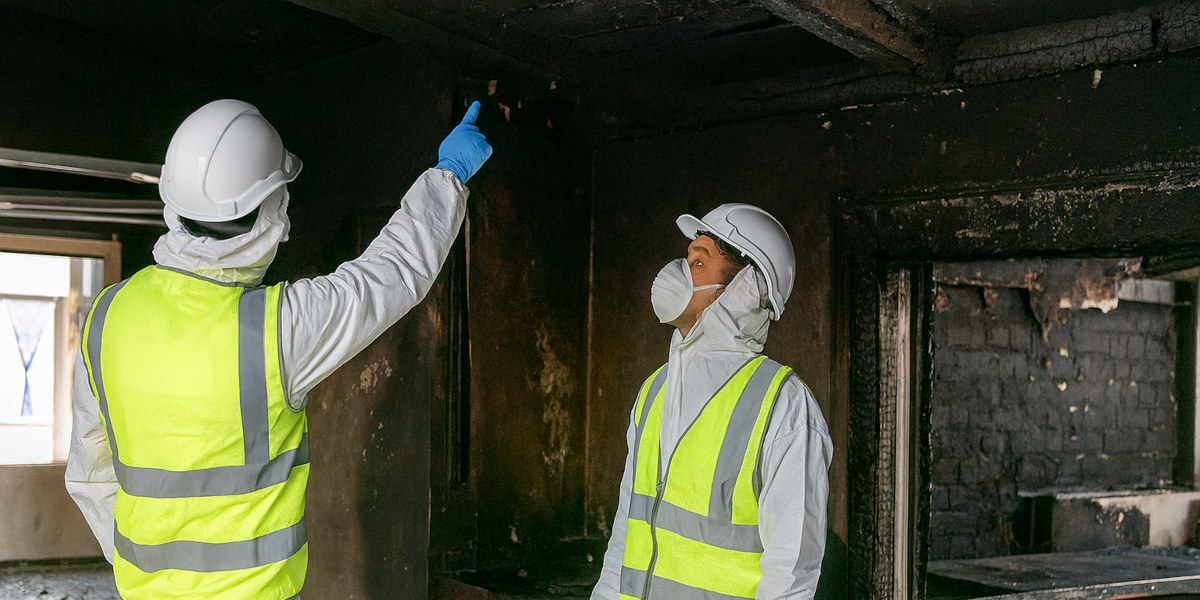
Commercial Fire Damage Recovery Planning for Facility Managers
When fire strikes a commercial facility, every minute counts. Downtime costs money, displaces employees, and disrupts operations. As a facility manager, having a solid fire damage recovery plan determines whether you’re back in business within days or struggling through weeks of interruption.
Commercial fire damage goes beyond what you can see. Smoke gets into HVAC systems, sprinkler water soaks through building materials, and structural problems develop that aren’t obvious at first glance.
Understanding the Full Scope of Fire Damage
Fire incidents create damage on multiple levels. Flames cause visible destruction, but secondary damage often costs more to fix.
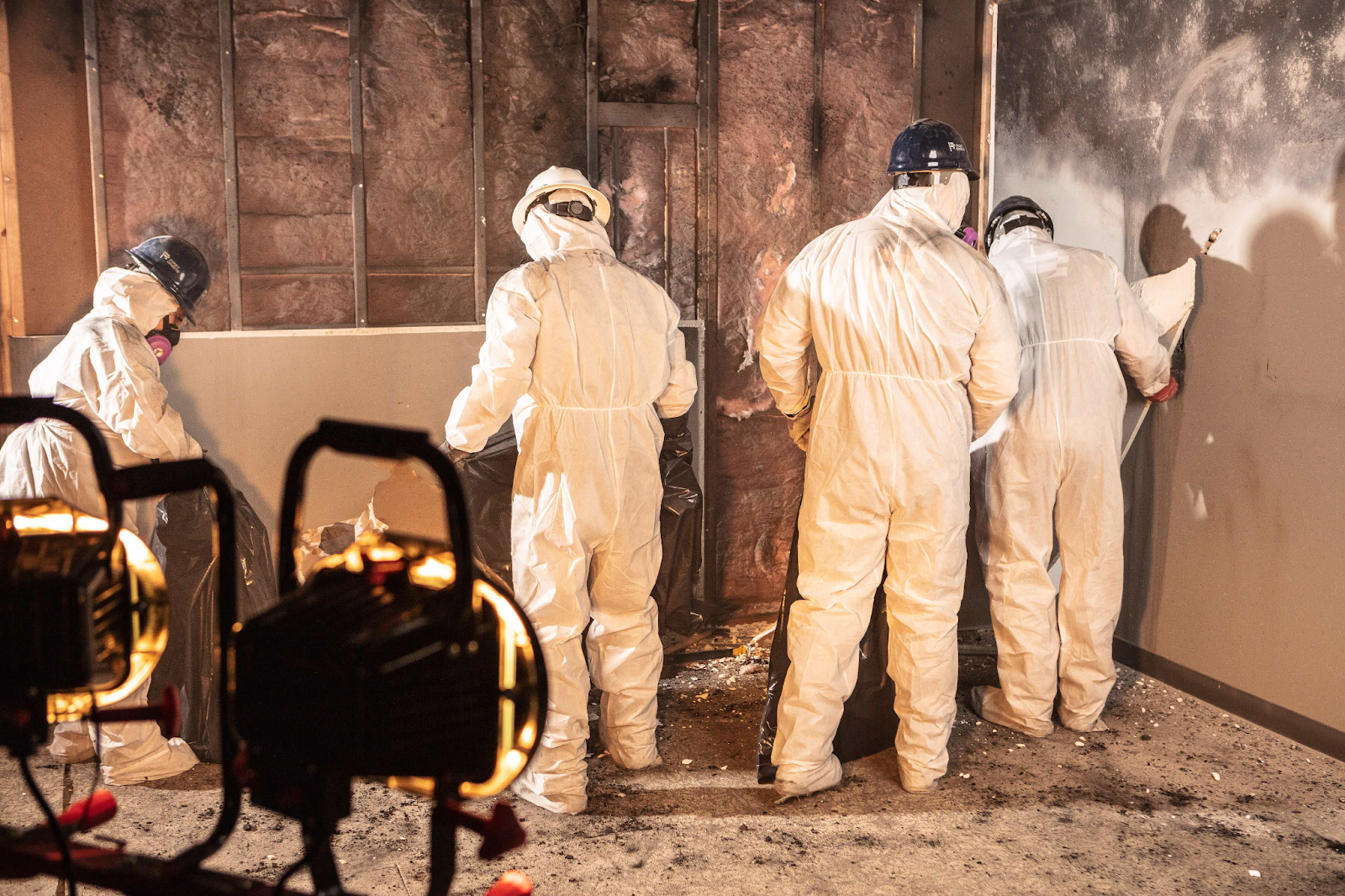
When firefighters put out a commercial fire, they pump hundreds of gallons of water per minute into your building. This action saves your property from total loss but creates immediate water damage problems. Materials absorb moisture fast, and mold starts growing within 24 to 48 hours if you don’t dry everything properly.
Smoke damage creates another hidden threat. Soot and ash particles travel through ventilation systems and settle on surfaces throughout your facility. These residues corrode surfaces and keep damaging equipment long after the fire is out. Smoke odors get into walls, ceilings, and furnishings, and you need specialized techniques to remove them.
Firefighting teams may need to cut through walls or create roof openings to let smoke out. These actions protect the larger structure but create new entry points for weather and security problems.
Phase One: Immediate Emergency Response
What you do first after a fire sets up everything that follows. Professional fire damage restoration starts with emergency stabilization to stop additional damage.
Top priorities include securing the property with board-up services, covering exposed areas with tarps, and removing standing water. These steps need to happen within hours. Facility managers should build relationships with certified restoration companies before emergencies happen, so you have guaranteed 24/7 access when you need it.
Start documenting right away. Take photos of all damage, create detailed lists of affected items, and begin your insurance claim. Professional restoration teams use moisture meters and thermal imaging to find hidden damage you can’t see.
Phase Two: Assessment and Restoration
After you control immediate threats, detailed assessment shows you the full scope of restoration work needed. Certified technicians inspect structural elements like load-bearing walls, roof systems, and foundations. Fire and water exposure can weaken structural integrity even when damage isn’t visible.
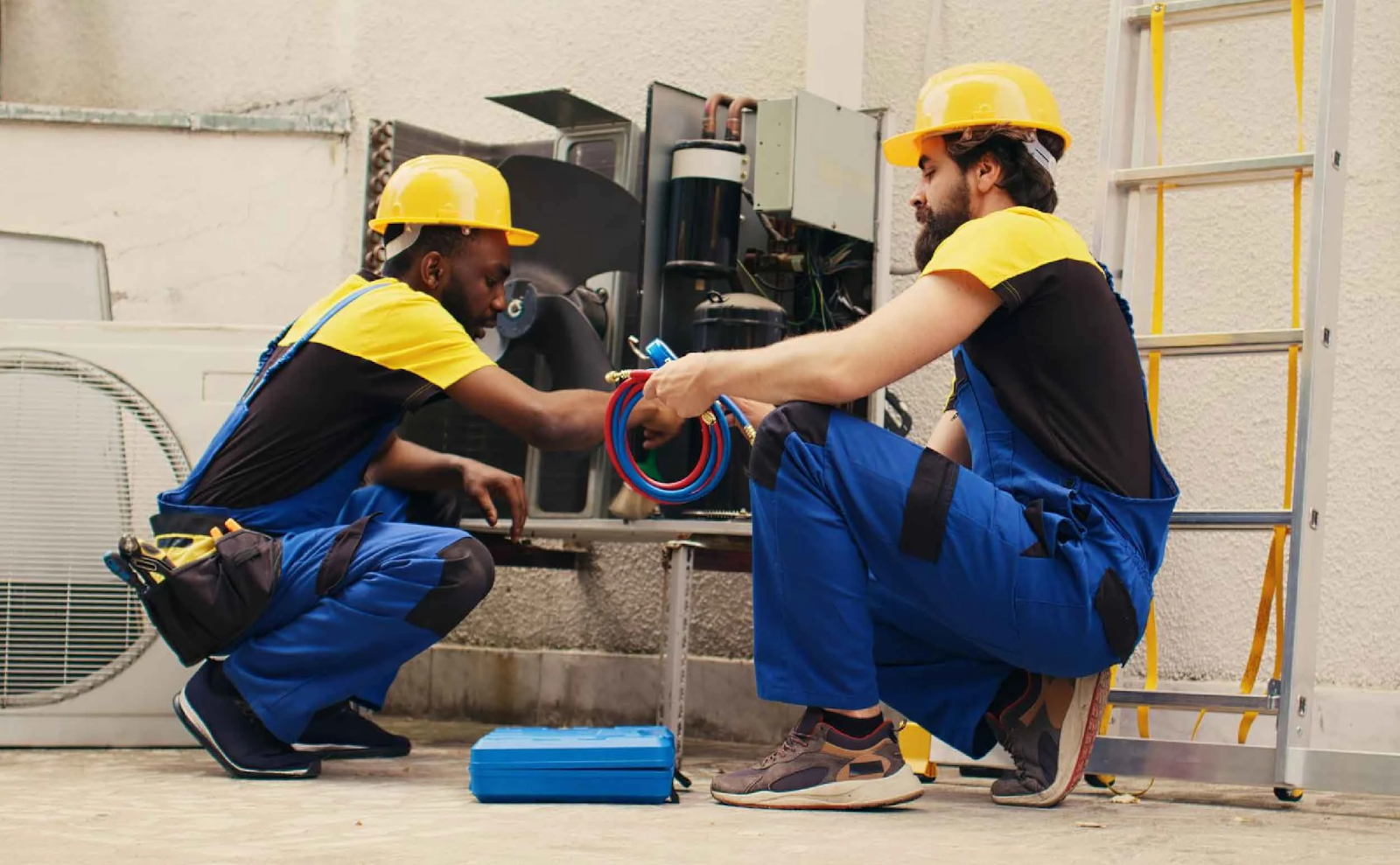
HVAC systems need special attention. Smoke travels through ductwork and leaves corrosive residues throughout your ventilation network. If you don’t clean these systems properly, odor problems persist and create health concerns for people in the building.
The restoration phase brings your facility back to its condition before the fire through systematic cleanup. Removing smoke and soot requires industrial air scrubbers, HEPA filtration, and antimicrobial treatments. Thermal fogging and ozone treatments eliminate stubborn smoke odors at the molecular level.
Mold prevention becomes necessary after water exposure. Professional teams set up containment barriers, remove affected materials, and treat surfaces with antimicrobial solutions.
Building a Fire Recovery Plan Before Disaster Strikes
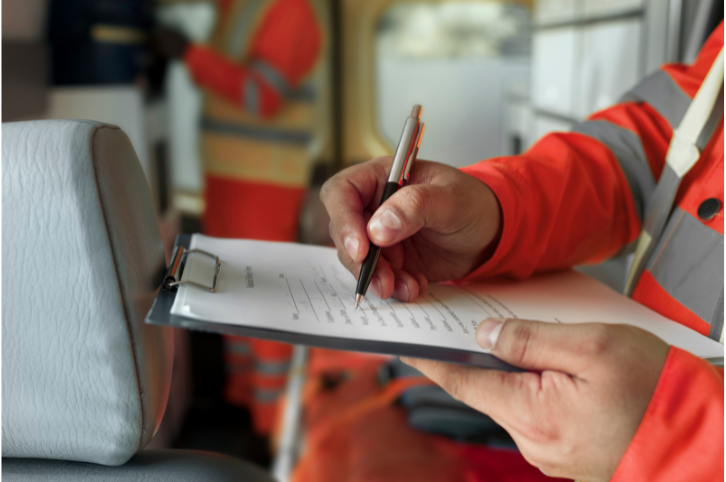
Planning ahead cuts recovery time and reduces fire damage impact. Facility managers should develop emergency response plans that spell out specific actions, responsibilities, and resources.
Your plan should list pre-approved restoration contractors with 24/7 availability. Research companies now and build relationships before you need emergency services. Check their certifications, insurance, and experience with commercial properties like yours.
Document your facility completely with current photos, equipment lists, and asset values. Store these records off-site or in cloud-based systems you can access during emergencies. This documentation speeds up insurance claims.
Run regular facility inspections focused on fire risks. Keep smoke detection systems, fire suppression equipment, and electrical systems maintained according to specifications.
Train your team on emergency procedures including evacuation routes, communication methods, and initial response steps. Everyone should know who to contact right after a fire happens.
The Value of Professional Fire Damage Restoration
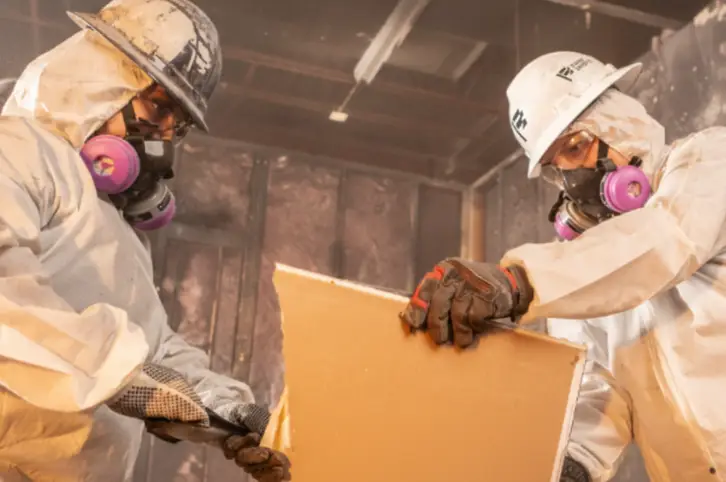
Commercial fire recovery requires specialized knowledge and equipment. Professional restoration teams respond fast, work efficiently, and know how to handle insurance processes.
Certified restoration professionals use industrial-grade equipment built specifically for fire and smoke damage remediation. Their training covers proper safety protocols and advanced restoration techniques that save materials instead of replacing them.
Working with experienced restoration contractors makes insurance claims simpler. These professionals document damage thoroughly, talk directly with adjusters, and provide detailed estimates.
Time matters most after fire damage. Professional restoration reduces downtime, stops secondary damage, and gets your facility back to full operation faster.
Protect Your Facility with Expert Fire Damage Restoration
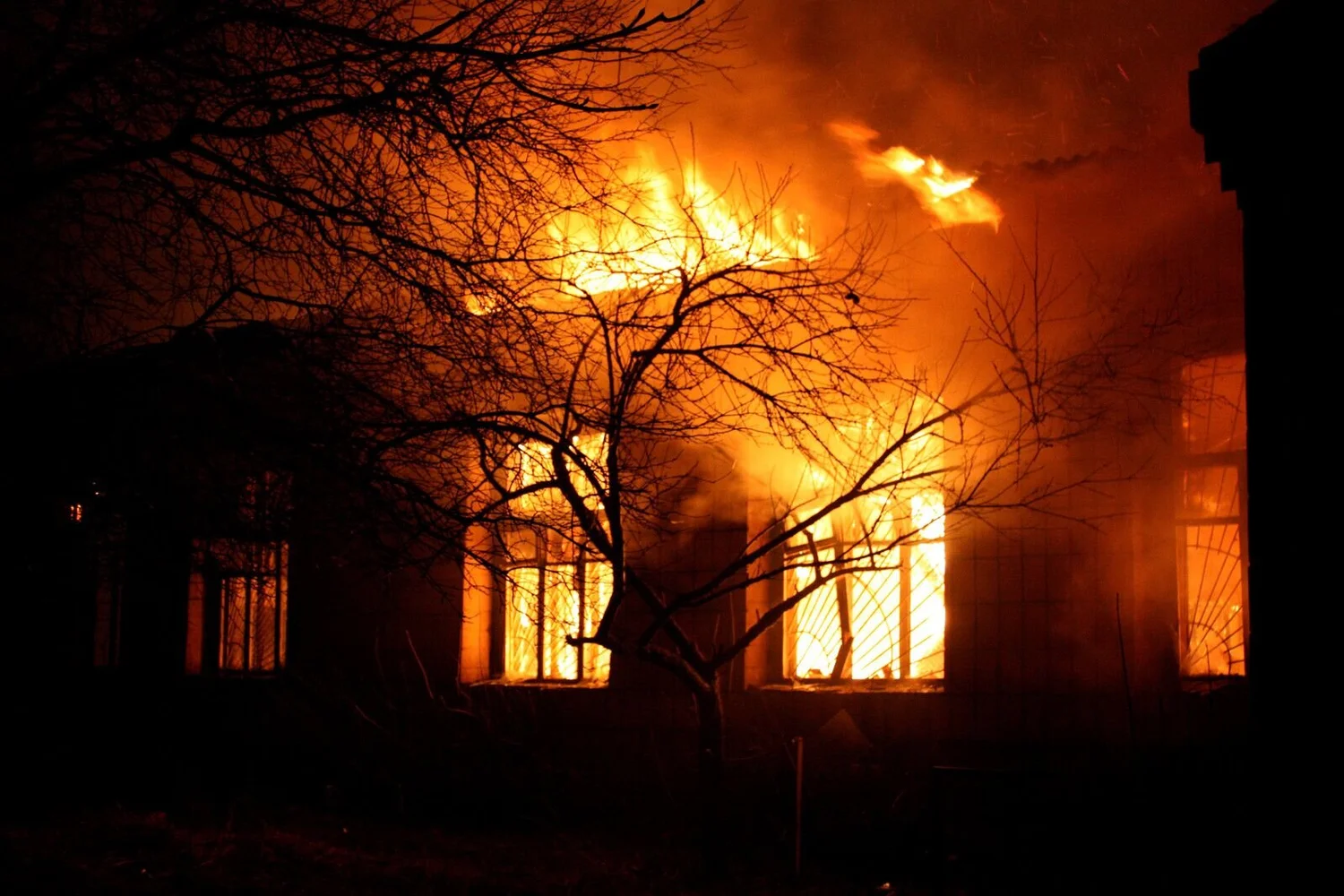
Fire damage recovery demands quick action and specialized expertise. Express Restoration provides complete fire damage restoration services throughout Edmond, OK and surrounding areas. Our certified technicians respond 24/7 with advanced equipment to restore your commercial property quickly and completely.
From emergency stabilization through final reconstruction, we handle every part of fire damage recovery. Don’t wait for disaster to strike. Contact Express Restoration at (405) 922-8891 or visit expressrestoration.net to discuss fire recovery planning for your facility.