
7 Signs of Hidden Water Damage in Your Oklahoma Home
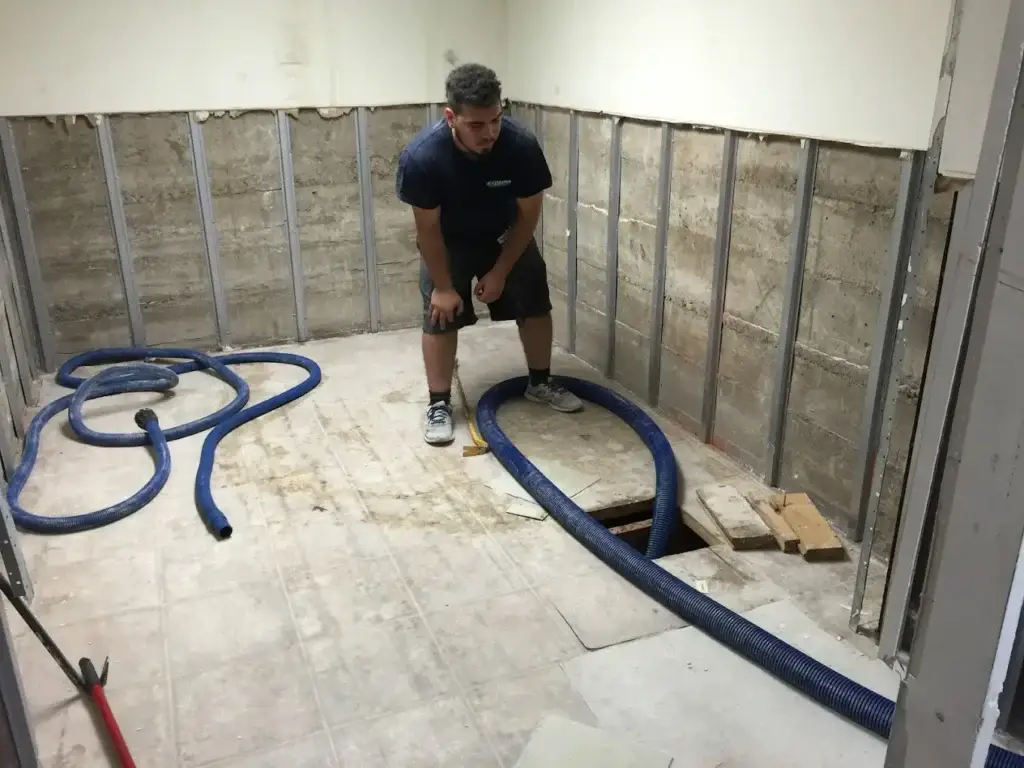
Hidden water damage usually shows up through musty odors, yellow or brown stains on walls and ceilings, peeling paint, warped or buckling flooring, sudden spikes in your water bill, and patches of mold around baseboards, under sinks, or near windows.
In Oklahoma, where severe storms, sudden freezes, and long humid stretches put extra strain on roofs, plumbing, and foundations, these warning signs can develop quickly and quietly behind walls or under floors.
Spotting them early can save you thousands in repair costs and protect your family’s health.
Why Oklahoma Homes Are Especially Vulnerable
Homes across Oklahoma City, Tulsa, Norman, Edmond, and surrounding counties deal with weather extremes year-round. Spring brings tornadoes, hail, and torrential rain. Winter ice storms crack pipes and damage shingles.
Summer humidity pushes moisture into attics and crawl spaces. Add in the expansive clay soil common across the state, which shifts foundations and stresses underground plumbing lines, and you have the perfect setup for slow leaks that go unnoticed for months.
If you’ve recently weathered a hailstorm or noticed water pooling near your foundation after heavy rain, the team at Express Restorationcan run a no-obligation moisture assessment to catch problems before they spread.
Common Signs of Hidden Water Damage
1. Musty or Earthy Smells
A persistent musty odor that lingers even after cleaning is one of the earliest red flags. The smell comes from mold and mildew growing on damp drywall, insulation, or subflooring. If certain rooms or closets feel “off” but look fine, water is likely sitting somewhere out of sight.
2. Stains and Discoloration
Yellow, brown, or rust-colored patches on ceilings and walls point to active or past leaks. These stains often appear under bathrooms, near roof valleys, or along exterior walls that take the brunt of Oklahoma’s wind-driven rain.
3. Peeling Paint or Bubbling Wallpaper
When moisture works its way through drywall, paint loses its grip. You’ll notice paint flaking off in sheets, wallpaper bubbling, or the surface feeling soft to the touch. This is common around windows, baseboards, and ceilings beneath upstairs bathrooms.
4. Warped or Buckling Floors
Hardwood that cups, laminate that lifts at the seams, or tile that suddenly feels loose all signal moisture underneath. In slab-on-grade homes, very common across Oklahoma, this can mean a slab leak from a corroded supply line.
5. Unexplained Spikes in Your Water Bill
If your water usage jumps without a change in habits, you likely have a leak somewhere in the system. A pinhole leak inside a wall can waste hundreds of gallons before anyone notices. Compare your last few bills, and if the numbers don’t add up, get the lines checked.
6. Visible Mold Growth
Black, green, or fuzzy white patches around tubs, toilets, sinks, or HVAC vents are clear evidence that moisture has been present long enough for mold to take hold. Mold can begin growing within 24 to 48 hours after water exposure.
7. Sounds of Dripping or Running Water
Hearing water when no fixtures are on usually means a pipe behind a wall or under the slab is leaking. Don’t ignore it. Even a small drip can soak insulation and framing for weeks.
Where to Check First
Walk through your home and pay close attention to these spots:
1. Under kitchen and bathroom sinks
2. Around the base of toilets, tubs, and showers
3. Inside cabinets near plumbing
4. Attic spaces after heavy rain or hail
5. Basement walls and crawl spaces
6. Near water heaters, washing machines, and dishwashers
7. Window frames and door thresholds
A flashlight, a paper towel for blotting suspicious spots, and a moisture meter from any hardware store are all you need for a quick check.
What to Do If You Spot Damage
Acting fast matters. Within 24 to 48 hours, mold can begin colonizing damp materials, and structural damage gets harder to reverse. Shut off the water supply if you can identify the source, document everything with photos for insurance, and call a licensed restoration company.
Express Restoration offers 24/7 emergency water damage restoration across the Oklahoma City metro and statewide. Call (405) 922-8891right now to speak with a certified technician and get crews dispatched to your property today.If you’re unsure whether what you’re seeing counts as an emergency, a quick call to Express Restoration can help you figure out the right next step before things get worse.

Frequently Asked Questions
1. How long does it take for hidden water damage to cause mold?
Mold can begin growing within 24 to 48 hours of moisture exposure, which is why prompt drying is so important.
2. Will my Oklahoma homeowners insurance cover hidden water damage?
Most policies cover sudden, accidental damage but exclude gradual leaks caused by poor maintenance. Document the source carefully and file your claim as soon as possible.
3. Can I dry out hidden water damage myself?
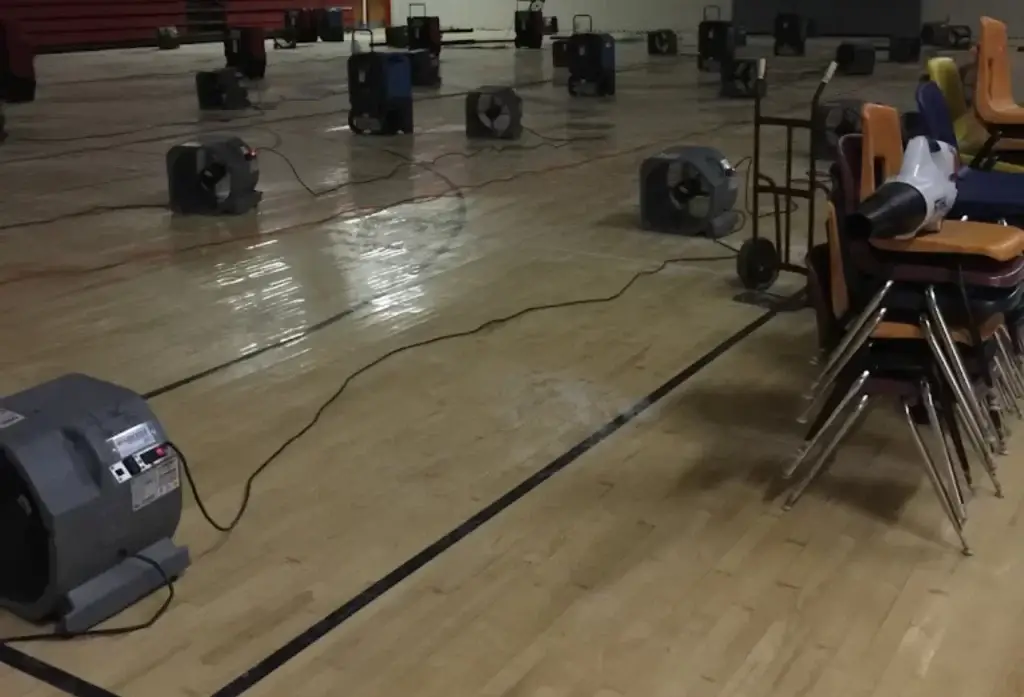
Surface-level drying is possible with fans and dehumidifiers, but moisture trapped inside walls, subfloors, or insulation almost always needs professional equipment to fully remove.
4. How can I prevent hidden water damage in the future?
Our team Inspect your roof, keep gutters clear, check supply lines on appliances each year, watch your water bill for unusual spikes, and keep indoor humidity below 60 percent.