
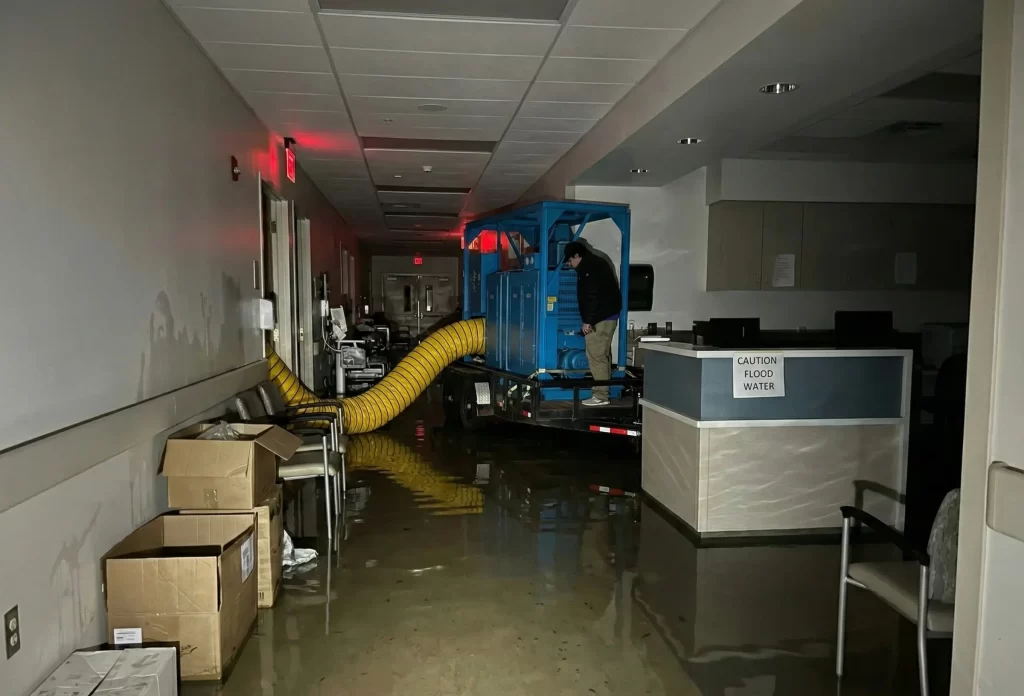
Hospital Water Damage Restoration: Infection Control and Rapid Recovery Strategies
Water damage in healthcare facilities isn’t just a maintenance issue. It’s a patient safety crisis that demands immediate, specialized response. When water intrudes into hospitals, surgery centers, or medical offices, the clock starts ticking on multiple fronts: infection control, operational continuity, and regulatory compliance.Unlike standard commercial properties, hospitals operate under strict oversight from organizations like The Joint Commission and CMS. A single water event can compromise sterile environments, contaminate critical equipment, and put vulnerable patients at serious risk. That’s why water damage restoration requires expertise that goes far beyond traditional cleanup methods.
Why Hospital Water Damage Is Different
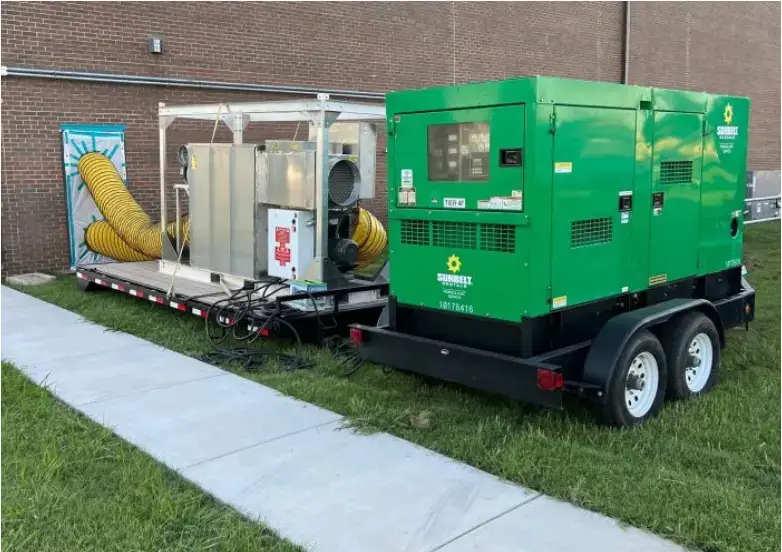
Healthcare facilities face unique challenges when water damage strikes. The presence of immunocompromised patients means even minor water intrusions require intensive mitigation protocols. Water can introduce or spread dangerous pathogens like Legionella, Pseudomonas, and other waterborne organisms that cause significant morbidity and mortality in vulnerable populations.
Medical equipment adds another layer of complexity. Diagnostic imaging machines, laboratory analyzers, and life-support systems worth millions of dollars are extremely moisture-sensitive. Even increased humidity levels can damage sensitive electronics and render entire departments unusable.
Essential Infection Control Protocols
Infection control drives every decision in medical facility water damage restoration. The carefully controlled environments that protect patients must be maintained throughout the restoration process.
Containment and Isolation
Hospital water damage restoration requires physical barriers that exceed standard construction containment. Negative pressure systems prevent airborne contaminants from spreading to adjacent clinical spaces. HEPA filtration removes particles that could threaten immunocompromised patients. Even small gaps in containment barriers can allow moisture migration or airborne particle transmission, which is why seamless installation and regular inspection are necessary.
Medical-Grade Disinfection
All surfaces in affected areas require EPA-registered healthcare-grade disinfectants. Standard antimicrobial treatments used in residential settings don’t meet medical facility standards. Porous materials in clinical areas like carpet, ceiling tiles, and wall coverings often require complete removal rather than restoration because they cannot be reliably disinfected after water exposure.
Common Sources of Hospital Water Damage
Learning how water damage occurs helps facilities develop targeted prevention strategies.
Infrastructure Failures:
Aging pipe systems in older hospitals frequently fail without warning. Medical facilities operate 24/7 with constant water demand, accelerating wear on plumbing infrastructure. Pipe bursts in ceiling spaces or between floors can affect multiple departments simultaneously.
Equipment-Related Events:
Medical sterilization equipment, including autoclaves and washers, processes thousands of cycles annually. Equipment failures can release large volumes of hot water into adjacent spaces. Dialysis centers and imaging departments use substantial water volumes for equipment cooling, making supply line failures particularly problematic.
External Intrusion:
Roof failures pose significant risks due to hospitals’ typically large footprints and complex mechanical systems. Flash flooding can overwhelm ground-level entries, affecting emergency departments and loading areas.
Rapid Recovery Without Compromising Care
Unlike other commercial properties, medical facilities cannot simply close for restoration. Patient care continues even as restoration teams work to mitigate damage and restore affected areas.
Phased Restoration Approaches
Hospital water damage restoration typically occurs in phases that minimize disruption to clinical operations. Critical patient care areas receive priority attention, with restoration scheduled around clinical schedules when possible. Non-clinical spaces may be addressed during off-hours to reduce noise and disruption.
Temporary relocation of departments or services may be necessary for major incidents. Facility planners work with restoration teams to identify suitable swing spaces that meet the same regulatory standards as permanent facilities.
Specialized Drying Techniques
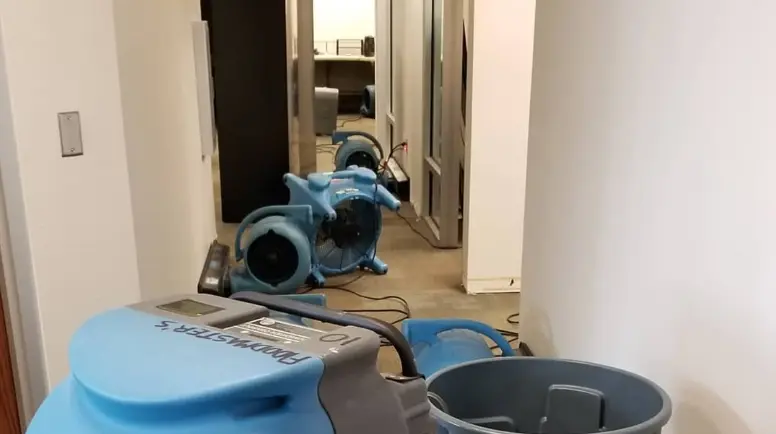
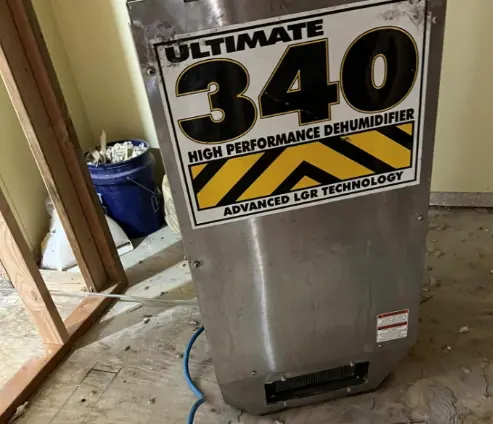
Standard restoration drying techniques require modification in healthcare settings. Temperature and humidity targets in medical areas are often stricter than general commercial spaces. Operating rooms, laboratories, and pharmaceutical storage areas have specific environmental requirements that must be maintained during drying operations.
Noise considerations are important in patient care areas. Traditional high-velocity air movers may be unsuitable near intensive care units or recovery areas. Healthcare restoration contractors utilize lower-noise equipment and schedule loud activities during times that minimize patient impact.
Selecting Healthcare Restoration Specialists
Not all restoration contractors possess the expertise required for medical facility water damage. Healthcare restoration demands specialized training and certifications that exceed general commercial restoration capabilities.
Qualified contractors should maintain current training in infection control protocols and medical facility regulations. Look for certifications like the IICRC Applied Microbial Remediation Technician (AMRT), which demonstrates specialized knowledge in healthcare environments. These specialists recognize that they’re not just restoring property, they’re protecting patients.
Professional healthcare restoration contractors carry appropriate insurance coverage including professional liability policies that address healthcare-specific risks. They should provide references from other medical facilities and demonstrate experience working within active healthcare environments.
Prevention Strategies for Medical Facilities
Proactive measures significantly reduce water damage risk. Regular infrastructure inspections identify potential failures before they cause extensive damage. Automated leak detection systems provide early warning of plumbing failures and can shut off water supply to affected areas immediately.
Staff training ensures rapid response to water events. Healthcare workers should know how to shut off local water supplies and who to contact for emergency response. Regular drills prepare teams to respond effectively when incidents occur, minimizing response time and damage severity.
Protect Your Healthcare Facility With Expert Restoration
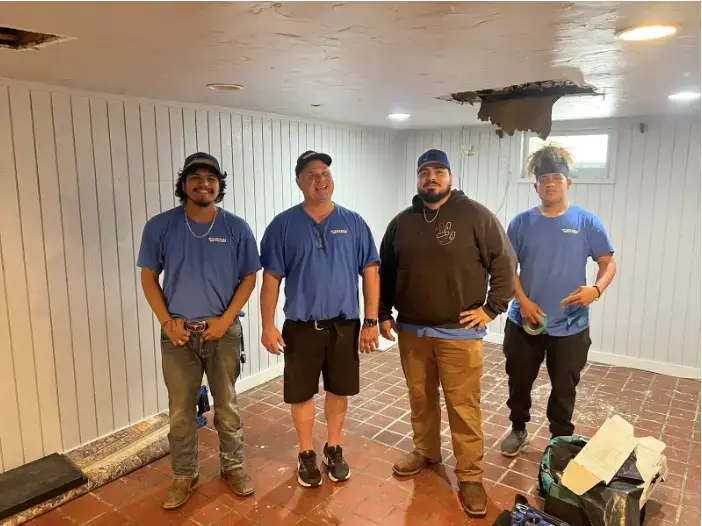
Hospital water damage restoration requires specialized expertise that goes beyond standard commercial cleanup. The combination of infection control requirements, operational continuity demands, and regulatory compliance makes professional healthcare restoration necessary.
Express Restoration brings over 28 years of experience and IICRC AMRT certification to every healthcare project. Our team recognizes the unique challenges of hospital water damage and responds with the specialized protocols your facility requires.Don’t let water damage compromise patient safety or facility operations.
Contact Express Restoration today for 24/7 emergency response and discover why Oklahoma healthcare facilities trust us for specialized restoration services.